
Klarna's Real Test Starts After Strong Wall Street Debut
Klarna's Strong IPO Performance and Strategic Growth
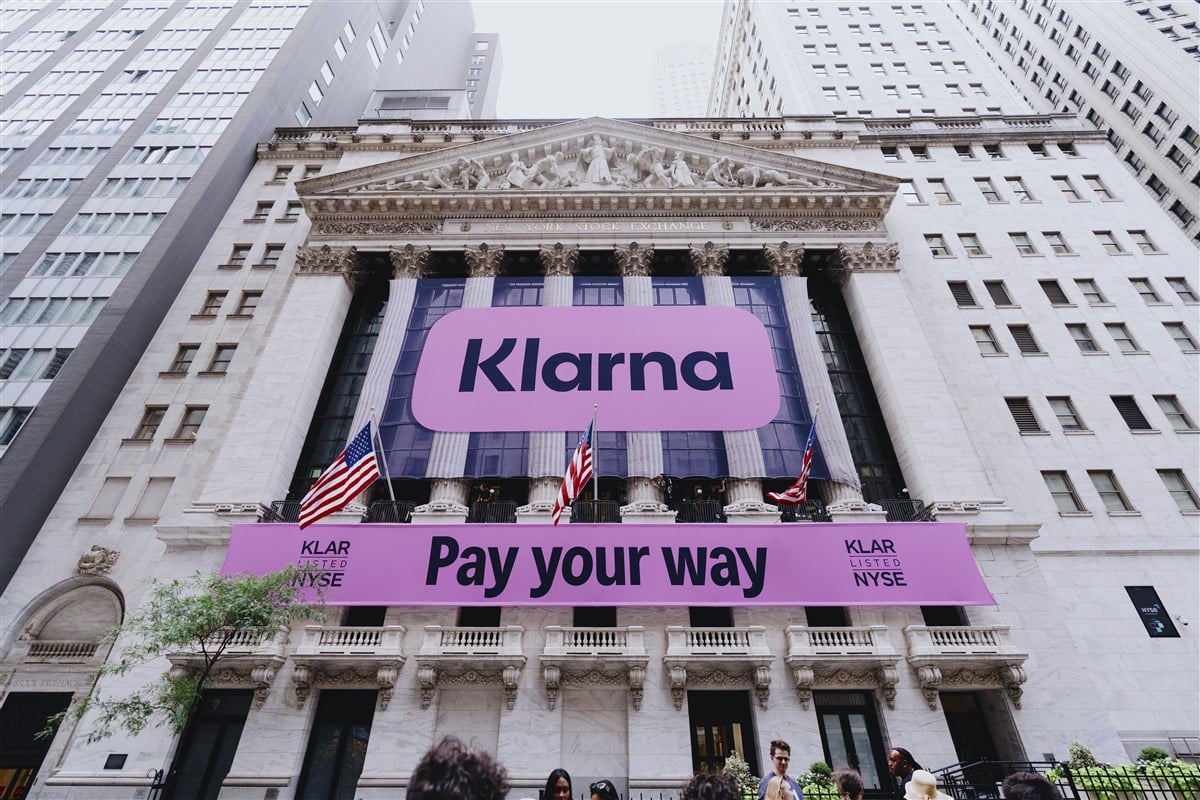
Klarna’s recent debut on the New York Stock Exchange was met with strong investor enthusiasm, marking one of the most active years for initial public offerings (IPOs). The financial technology company priced its offering at $40 per share, exceeding its initial target range. On its first day of trading, the stock surged by 30%, reaching $52. This impressive performance highlighted the strong demand for established leaders in the digital payments and financial services sector.
While the first-day trading activity grabbed attention, a deeper analysis reveals a compelling long-term story for investors. Klarna’s valuation is supported by fundamental drivers, including rapid growth in high-value markets and a disciplined approach to operational excellence. These factors suggest that the successful IPO may just be the beginning of Klarna’s next phase as a publicly traded company.
Expanding Its Presence in the U.S. Market
A major driver of Klarna’s growth is its successful expansion in the United States. The company reported a 38% year-over-year increase in revenue in the region, showcasing its effective execution in the world’s largest consumer market. This performance contributes to Klarna’s overall financial health, which includes a 19% rise in Gross Merchandise Volume (GMV) to $31.2 billion in its most recent quarter.
This growth is fueled by strategic partnerships that are reinforcing Klarna’s brand among American consumers. The company has become the payments technology behind several major retail operations, including:
- Walmart: Klarna is powering its OnePay Later installment loan service, which will become the exclusive term financing option at the retail giant.
- eBay: Expanding a successful European partnership into the U.S. marketplace.
- Gap Inc.: Integrating its payment options across brands like Old Navy, Gap, and Banana Republic.
These collaborations create a powerful network effect. As more top-tier merchants use Klarna, more shoppers are drawn to the platform. This growing base of 111 million active consumers, up 31% year-over-year, makes Klarna an even more essential partner for retailers. This self-reinforcing cycle also includes a merchant network that expanded by 34% to 790,000 partners, building a significant competitive advantage.
A Path to Profitability
For many high-growth technology companies, profitability can seem distant. However, Klarna is demonstrating a clear and disciplined path toward sustainable earnings. The company has delivered five consecutive quarters of positive adjusted operating profit, reaching $29 million in Q2 2025. This metric indicates a sound business model, as it excludes non-cash or one-time expenses to provide a clearer view of daily operations.
Despite a net loss of $53 million for the quarter, this figure is tied directly to its growth strategy. The loss includes a $24 million one-time charge for lease restructuring and $26 million in non-cash, share-based compensation. Additionally, the provision for credit losses has increased due to the expansion of longer-term Fair Financing products, which require expected losses to be accounted for upfront while revenue is recognized over the life of the loan.
Klarna’s focus on efficiency is powered by its AI-first strategy. Investments in technology are yielding tangible results that impact the bottom line. For example, revenue grew 20% in the second quarter, while adjusted operating expenses rose by only 3% on a like-for-like basis. This trend, known as operating leverage, shows that the company can grow revenue much faster than costs, a critical component of long-term profitability. Furthermore, Klarna’s operational efficiency has pushed its average revenue per employee to an impressive $1 million.
Maintaining Credit Quality
Klarna’s growth has not come at the expense of credit quality. Even as it expands its loan offerings, the company has maintained disciplined underwriting standards. The delinquency rate on its core Pay in 4 product fell to a low of 0.89%, indicating effective risk management that balances expansion with financial stability.
The Road Ahead
Klarna’s market debut validated its business strategy and market position. For investors, the company presents a clear set of strengths: a dominant and accelerating growth trajectory in the U.S., a powerful network of merchants and consumers, and a technology-driven strategy for achieving profitable scale.
The company has evolved from a simple buy-now, pay-later (BNPL) service into a sophisticated financial technology ecosystem with multiple levers for future growth. As the post-IPO quiet period expires on October 20, 2025, investors can expect underwriters to initiate research coverage, which could provide further catalysts for the stock.
Klarna’s combination of strong growth, operational discipline, and expanding market share positions it as a formidable player in the future of global digital commerce. The company’s public offering is not an endpoint but the beginning of its next chapter, offering investors a chance to be part of that journey.

Posting Komentar untuk "Klarna's Real Test Starts After Strong Wall Street Debut"
Posting Komentar