
Latina Women Drive Trump's Latino Setback as Immigration Rhetoric Fails to Ease Economic Struggles
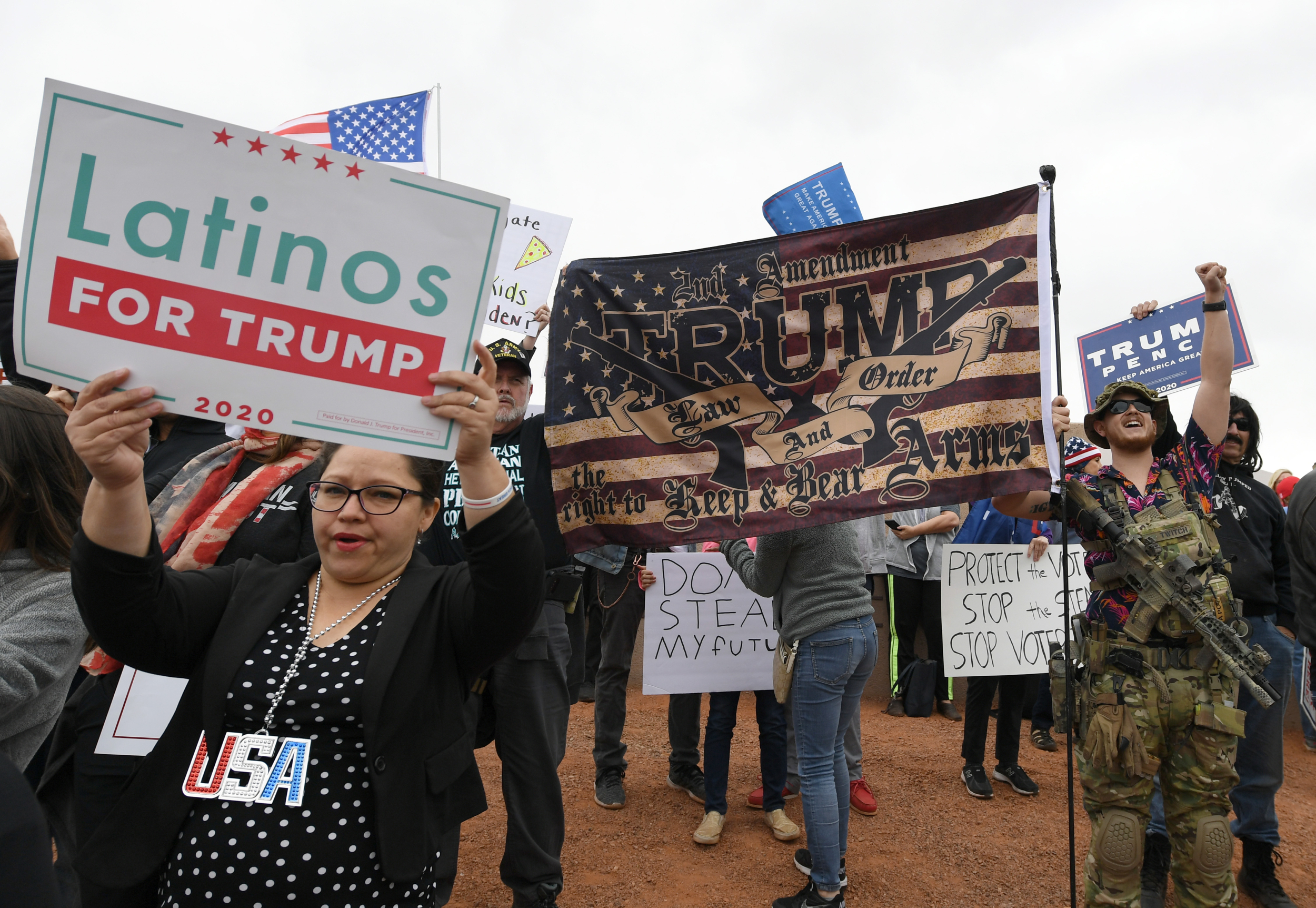
Rising Concerns Among Latino Voters
The political landscape for President Donald Trump is shifting dramatically, especially among Latino voters. Recent data from a collaborative effort between Somos Votantes, Somos PAC, and the Global Strategy Group highlights a growing discontent, particularly among Latina women. This shift signals a potential turning point in how Trump is perceived by a crucial demographic.
A Sharp Decline in Approval Ratings
According to a third-quarter survey, Trump's approval ratings have plummeted among Latina women. His net job approval with women has dropped to -36, compared to -6 in February. Economic approval among women is even more concerning, at -45. These numbers indicate a significant change in sentiment, as Latina women were previously skeptical of Trump but now show historic levels of disapproval.
Economic Anxiety Among Latina Women
Women often play a pivotal role in managing household budgets and caregiving. As food prices rise, rent increases, and healthcare costs remain high, Latina women are experiencing greater economic anxiety than their male counterparts. The poll reveals that over one in four Latino voters overall say they are struggling to meet expenses, but among women, this concern is more acute. Six in ten list food prices as a top worry, and nearly half say they are "very concerned" about affording basic necessities.
Broader Trends Across Gender and Age Groups
The erosion of support is not limited to women. Latino men, once considered more pragmatic toward Trump, have also shown signs of flipping. Earlier this year, some analysts suggested men were adopting a "wait and see" posture, but the latest numbers contradict this theory. Trump's economic approval among Latino men is now -40, with majorities blaming his tariff policies for pushing up the cost of everyday goods.
Young Latinos, ages 18 to 29, are another group moving away from Trump. Their net economic approval has tumbled to -37, reflecting both immediate financial strain and generational frustration over the rising cost of living. Unlike in past cycles, where younger Latinos could be ambivalent, this data suggests clear rejection.
Immigration vs. Economy: A Disconnect
One of the most striking findings is the disconnect between what Trump emphasizes and what Latino voters want addressed. Nearly half of those surveyed (47 percent) believe Trump is most focused on immigration and the U.S.-Mexico border. However, when asked about their own priorities, Latinos overwhelmingly cite inflation and the cost of living (50 percent) and jobs and the economy (39 percent). Only 15 percent believe Trump is focused on jobs, and just 17 percent think he is prioritizing inflation.
This gap may explain why his numbers are tumbling so quickly. While Trump continues to center immigration in his campaign speeches, Latino voters see that as tone-deaf when their grocery bills and rent are consuming more of their paychecks. Immigration remains a high-profile issue, but in 2025, it is not what is driving Latino political behavior.
Tariffs and Everyday Costs
Tariffs, a signature Trump policy, are a clear flashpoint. Seventy-one percent of Latino voters say tariffs are raising the cost of the things they buy, with 42 percent saying prices are going up "a lot." Food costs top the list of concerns: 60 percent of respondents are "very concerned" about grocery prices, while others point to projected job losses and rising family expenses.
The economic frustration extends beyond tariffs. Trump's H.R. 1 tax bill remains deeply unpopular, with 74 percent of Latinos opposing it and 62 percent strongly opposed. Cuts to Medicaid and food assistance programs rank among the most alarming provisions for this community. For Latina mothers in particular, Medicaid cuts are viewed as a direct threat to family wellbeing.
National Trends and Implications
Nationally, Trump's economic numbers are sagging as well. A Reuters/Ipsos poll this month placed his overall job approval at 42 percent, with just 36 percent of Americans approving of his economic management. Among Latinos, the new Somos poll suggests the decline is steeper and accelerating.
The stakes are high. Latinos are the fastest-growing share of the electorate, and their turnout has been decisive in battleground states from Arizona to Nevada. Trump made inroads with some Latino men in 2020 and 2024, but if the current slide continues, those gains could evaporate.
Strategists warn that the latest numbers are not just a temporary dip. "The idea that Latino men were going to give Trump time is gone," said one Democratic analyst reviewing the data. "What we're seeing is erosion that cuts across gender and age — and Latina women are leading the shift."
The message from voters is clear: pocketbook issues come first. Latinos want leaders to tackle inflation, lower costs, and strengthen job opportunities. Trump, however, continues to emphasize immigration and border policy, which, while central to his political identity, is increasingly out of step with the daily concerns of Latino families.

Posting Komentar untuk "Latina Women Drive Trump's Latino Setback as Immigration Rhetoric Fails to Ease Economic Struggles"
Posting Komentar