
LLC or Corporation: Which is Right for Your Startup?
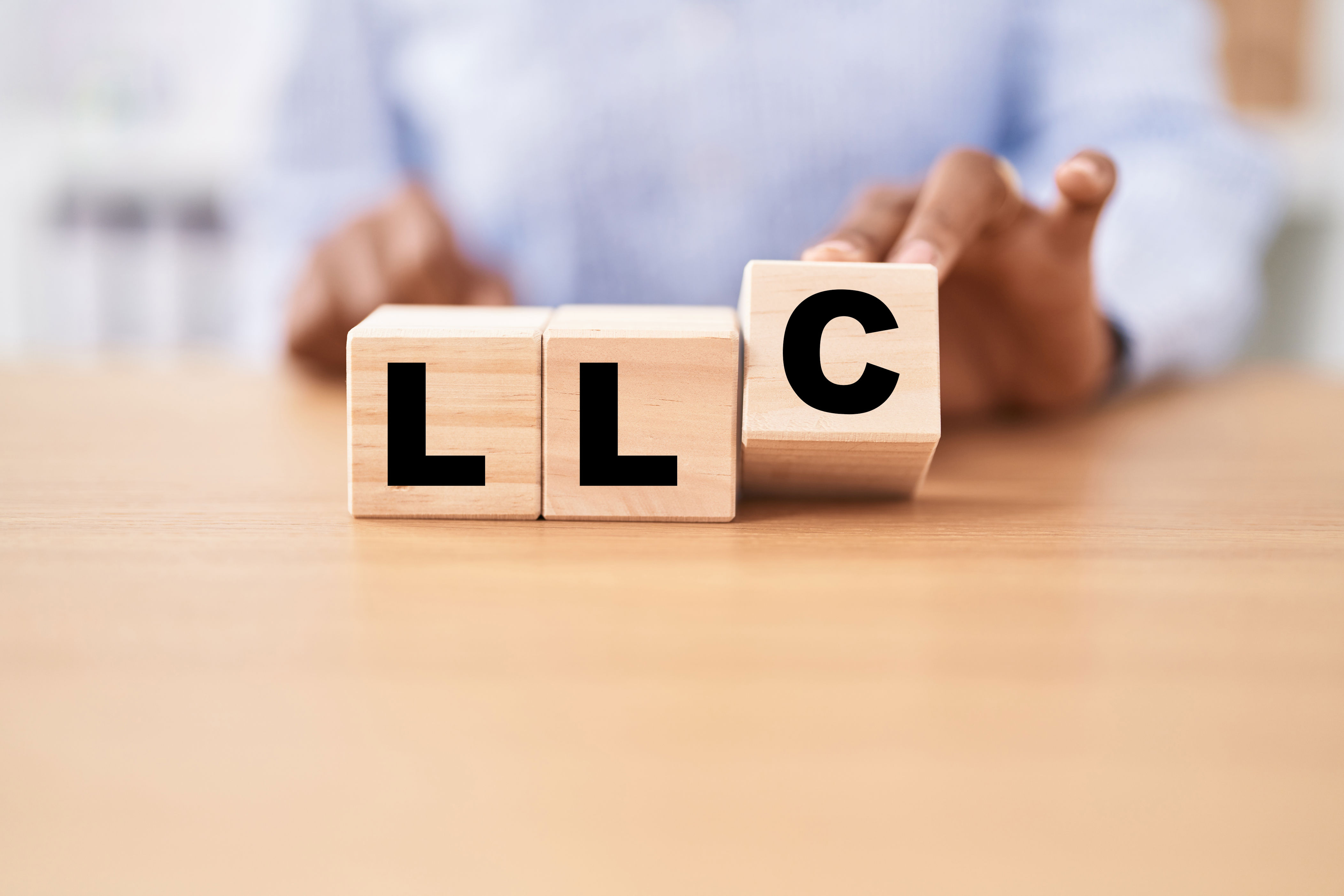
Understanding the Differences Between LLCs, S Corporations, and C Corporations
Starting a business involves several critical decisions, one of which is choosing the right legal structure. The most common options for startups are Limited Liability Companies (LLCs), S corporations, and C corporations. Each has its own set of advantages and disadvantages, and understanding these differences can help entrepreneurs make informed choices.
What Is an S Corporation?
An S corporation is a legal entity that offers the benefit of “pass through” taxation, meaning the profits of the business are taxed only once at the shareholder level. To form an S corporation, you need to file either an “Articles of Incorporation” or “Certificate of Incorporation” with the Secretary of State in your chosen state. Key considerations include:
- Liability Protection: Shareholders are generally not personally liable for the debts or liabilities of the business.
- Owners: S corporations have shareholders who are issued stock to evidence their ownership interest.
- Taxation: If you properly make an “S” tax election on IRS Form 2553, the business’s profits are taxed only at the shareholder level.
- Governance: An S corporation must have a Board of Directors, even if there is only one shareholder.
- Filing Fees: A fee is required when incorporating.
- Shareholders: There is a maximum of 100 shareholders, and all must be U.S. citizens or residents.
- Minimum Annual Franchise Tax: Many states require a minimum annual franchise tax of $800.
- Classes of Stock: Only common stock can be issued.
- Officers: Most states require a CEO, Secretary, and CFO, though one person can hold all positions.
- Corporate Formalities: Contracts should be signed in the name of the corporation, and minutes should be kept of any meetings.
- Employee ID: A federal and state employee ID should be obtained.
- Bank Accounts: All accounts should be set up in the name of the corporation.
- Issuing Stock: Any stock issued must comply with securities laws.
What Is a C Corporation?
A C corporation is another legal entity used to form and operate a business. It also provides liability protection for shareholders, but it is subject to “double taxation,” where profits are taxed at both the corporate and shareholder levels. Key features include:
- Liability Protection: Shareholders are not personally liable for the business’s debts or liabilities.
- Owners: Shareholders are issued stock to evidence their ownership.
- Taxation: Profits are taxed at the corporate level, and dividends distributed to shareholders are also taxed.
- Governance: A Board of Directors oversees the corporation.
- Filing Fees: A fee is required to incorporate.
- Shareholders: There is no limit on the number of shareholders, and they can include individuals, corporations, or partnerships.
- Minimum Annual Franchise Tax: Many states require a minimum annual franchise tax of $800.
- Classes of Stock: Multiple classes of stock can be issued.
- Officers: Most states require a CEO, Secretary, and CFO.
- Employee ID: A federal and state employee ID should be obtained.
- Bank Accounts: All accounts should be set up in the name of the corporation.
- Issuing Stock: Any stock issued must comply with securities laws.
What Is an LLC?
An LLC combines the benefits of a corporation and a partnership. It offers liability protection for members and favorable “pass through” tax treatment. To form an LLC, you need to file an “Articles of Organization” with the Secretary of State. Key aspects include:
- Liability Protection: Members are generally not personally liable for the business’s debts or liabilities.
- Owners: Members are issued membership interests to show their ownership.
- Taxation: LLCs can elect “pass through” taxation, so profits are taxed only at the member level.
- Governance: An LLC can be managed by a Managing Member or a Board of Managers.
- Filing Fees: A fee is required to form an LLC.
- Members: There is no limit on the number of members.
- Minimum Annual Franchise Tax: Many states require a minimum annual franchise tax of $800.
- Classes of Interests: Multiple classes of membership interests can be issued.
- Officers: LLCs can have officers or Managing Members.
- Formalities: Contracts should be signed in the name of the LLC, and minutes should be kept of any meetings.
- Employee ID: A federal and state employee ID should be obtained.
- Bank Accounts: All accounts should be set up in the name of the LLC.
- Issuing Membership Interests: Any membership interests issued must comply with securities laws.
- K-1s: LLCs are required to issue IRS K-1 forms annually to members.
Frequently Asked Questions
-
In which state should I incorporate my LLC?
It's usually easier and cheaper to incorporate in the state where your business operates. However, venture capital investors may prefer Delaware. -
Will venture capital investors invest in an LLC?
This is unlikely, as VCs typically prefer investing in preferred stock within a C corporation. -
Can I convert an S corporation to a C corporation?
Yes, this is possible. -
Can I convert an LLC to a corporation?
While there may be some costs and complications, it is possible. -
Can I adopt a stock option plan for employees and advisors?
Stock option plans are easier to implement for corporations than for LLCs. -
What do corporate bylaws typically contain?
Bylaws outline rules and procedures governing the rights and powers of shareholders, directors, and officers. -
What does an LLC Operating Agreement typically contain?
An operating agreement outlines financial, management, and other rights and responsibilities of members. -
Can an LLC or corporation be set up online?
Yes, several online services can assist with setting up your LLC or corporation.

Posting Komentar untuk "LLC or Corporation: Which is Right for Your Startup?"
Posting Komentar