
Long Island Rail Unions Beg Trump to Stop Strike
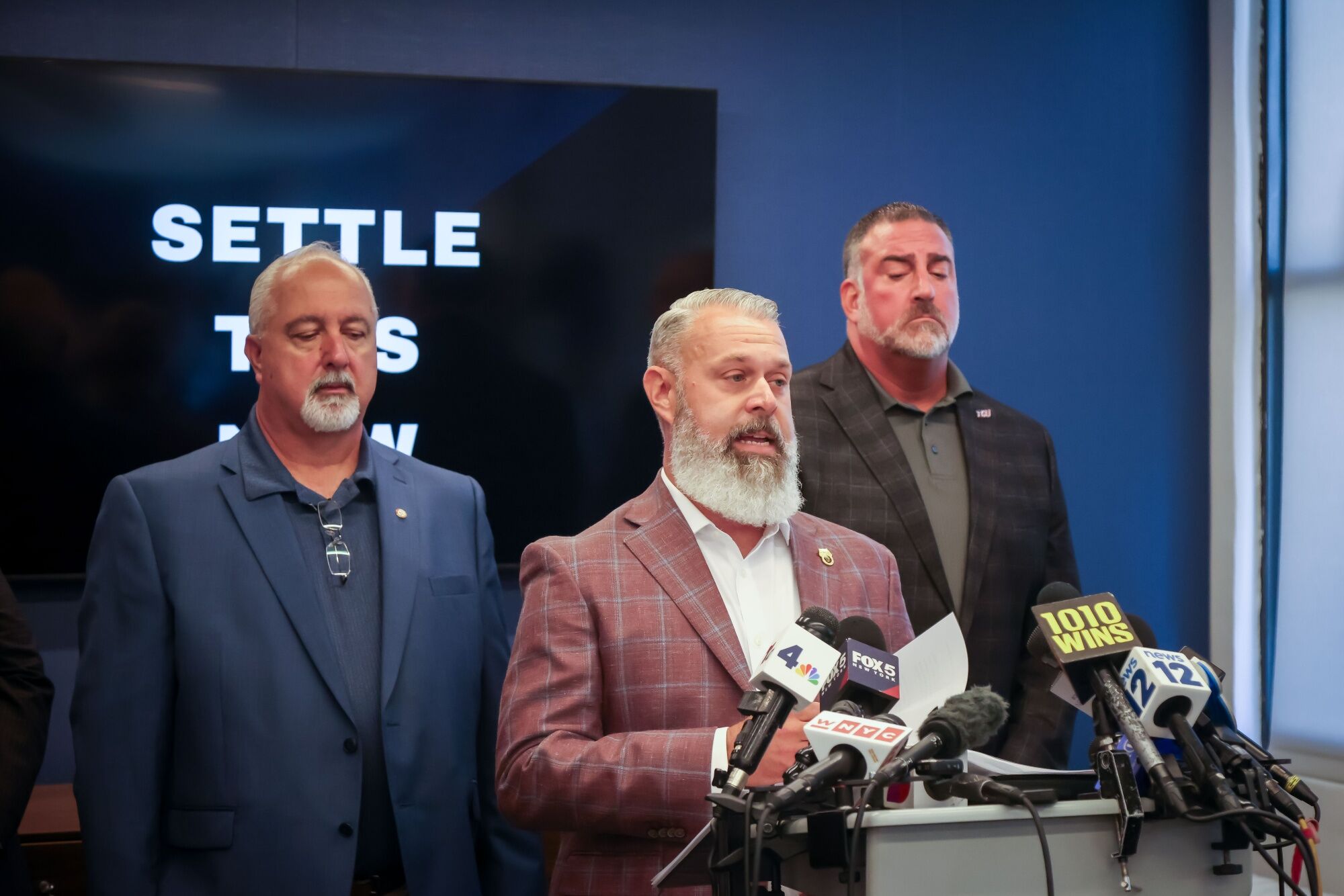
A Growing Threat of a Strike on the Long Island Rail Road
A coalition of unions representing workers on New York’s Long Island Rail Road (LIRR) has taken a significant step toward potentially shutting down one of the nation’s busiest commuter rail lines. Locomotive engineers recently voted overwhelmingly to authorize a work stoppage, signaling a major escalation in their ongoing dispute with management over wages and working conditions. This move could lead to a strike that would leave millions of commuters without access to rail service between Long Island and New York City.
The decision by the union members came after years of stalled negotiations and demands for better compensation that keeps up with inflation. The Brotherhood of Locomotive Engineers and Trainmen (BLET), along with four other unions, are pushing for higher pay and improved benefits. They argue that current wage offers do not reflect the rising cost of living or the critical role their members play in maintaining the LIRR’s high level of service.
What Is a Presidential Emergency Board?
To prevent a potential strike, the unions have requested the formation of a presidential emergency board (PEB). This federal panel is designed to facilitate negotiations between labor and management during a crisis. If established, the PEB would provide 120 days for both sides to reach an agreement, with the possibility of extending negotiations for another 120 days if no resolution is found.
Union leaders emphasized that the vote was not a formal strike notice but a clear signal of their determination to secure fair terms. “Our membership is unified, committed, and prepared to take all lawful actions necessary to secure a fair and reasonable contract,” said Gil Lang, general chairman of the BLET.
The Stakes of a Potential Strike
A strike on the LIRR would have far-reaching consequences. With approximately 3 million residents relying on the rail line for daily commutes, a shutdown would disrupt thousands of lives and businesses across Suffolk and Nassau counties. Even with more people working from home, the impact of reduced public transportation would be felt throughout the region.
The MTA has offered a 9.5% pay increase over three years, matching what subway and bus workers received in their current contract. However, the unions are seeking an additional 6.5% raise in the fourth year. They argue that this small increase is necessary to keep pace with inflation and ensure that workers can maintain their standard of living.
The MTA's Response
MTA officials have criticized the unions for prolonging the negotiations and not showing up to the table. John J. McCarthy, chief of policy and external relations at the MTA, stated that if the unions truly cared about riders, they would settle the dispute or agree to binding arbitration. He also urged them to avoid striking, saying it would harm both passengers and employees.
Jeffrey Klein, general chairman of the International Brotherhood of Electrical Workers, Local 589, defended the unions’ position, stating that the demand for a fourth-year increase is reasonable. “That’s a principle every hardworking New Yorker can relate to and appreciate,” he said.
Impact on Events and Commuters
A potential strike would also affect cultural and sporting events in the area. The New York Mets, which plays at Citi Field, relies heavily on the LIRR and the 7 subway line for fans. Additionally, the upcoming Ryder Cup, a major international golf championship, is expected to draw thousands of visitors who will use the LIRR as their primary mode of transportation.
The MTA has acknowledged the possibility of a strike in its recent bond deal documents, which include a $1 billion offering to refinance existing debt. In the event of a strike, the MTA plans to provide free shuttle buses during rush hours to help commuters reach their destinations.
The Broader Implications
This dispute highlights the growing tensions between labor and management in the public transportation sector. As inflation continues to rise, workers are increasingly demanding better wages and benefits. At the same time, agencies like the MTA must balance these requests with financial constraints and the needs of the broader public.
Governor Kathy Hochul has called on the unions to continue negotiating with the MTA to resolve the issue before it escalates further. She warned that a strike would negatively impact not only riders but also the workers themselves, who would face unpaid time off if the dispute continues.
With the potential for a strike looming, the situation remains tense and uncertain. Both sides will need to find common ground to prevent a disruption that could have lasting effects on the region.

Posting Komentar untuk "Long Island Rail Unions Beg Trump to Stop Strike"
Posting Komentar