
Make America Affordable: Start with Cars
The Hidden Cost of Car Ownership in America
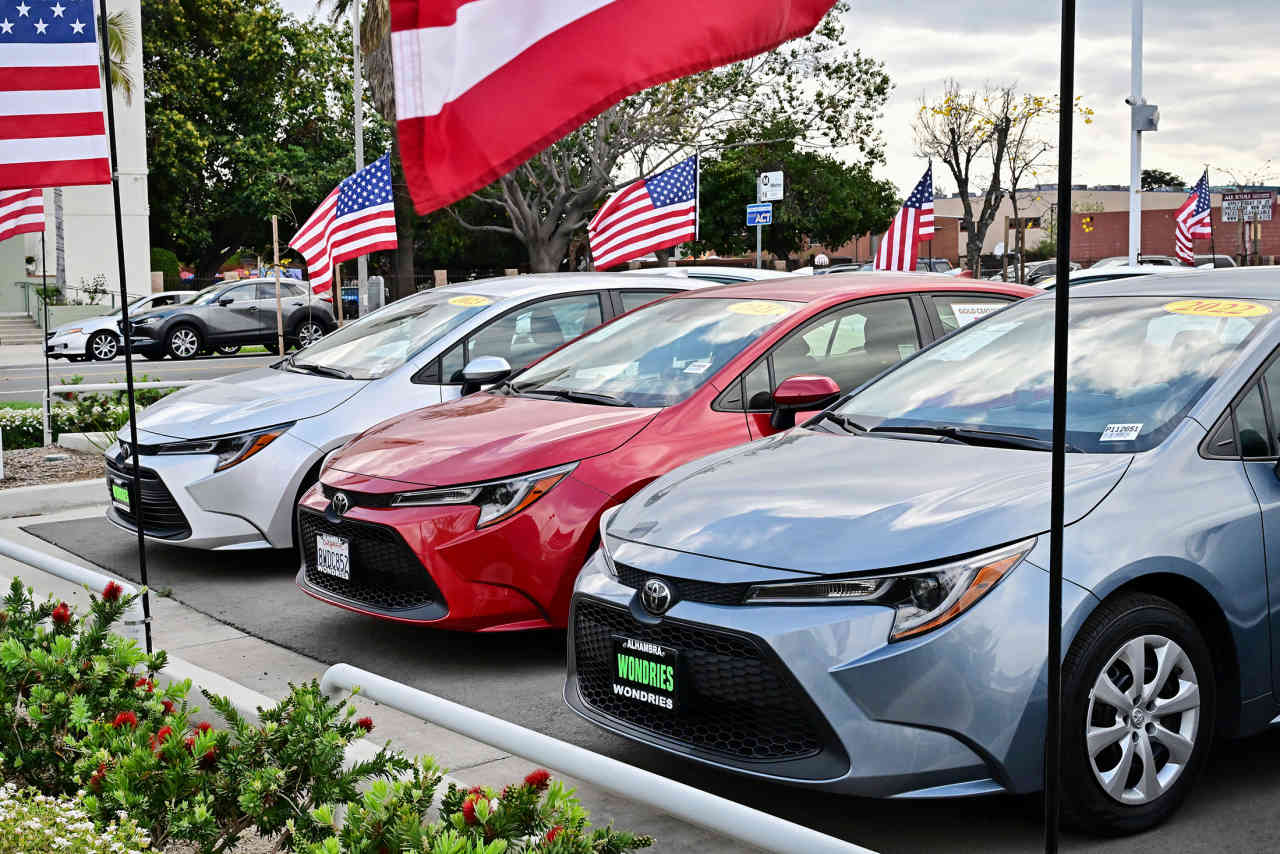
Cars have long been seen as a symbol of freedom in the United States. However, the reality is that they are one of the most significant financial burdens for many households. The average new car costs around $48,800, while a used vehicle typically goes for about $28,000. But these prices only tell part of the story. When factoring in insurance, fuel, maintenance, parking, and depreciation, the total lifetime cost of owning a car in the U.S. can exceed $760,000—more than what many families spend on housing.
This financial burden is not evenly distributed. Studies show that while a high-income individual might spend 13% of their lifetime earnings on a luxury car like a Mercedes-Benz, a low-wage worker could end up spending 69% of their income on the same vehicle. Even for a more affordable compact car, a working-class person would need to allocate 36% of their lifetime earnings just to own it. This disparity highlights how car ownership is often a luxury that only the wealthy can afford without significant financial strain.
The combined costs of housing and transportation are also reshaping how we define affordability. Traditionally, housing is considered affordable if it takes up no more than 30% of a household’s income. However, when transportation costs are added, this percentage often jumps above 40%. In cities like Pittsburgh, where housing alone consumes 22% of household income, adding transportation expenses pushes the total to 39%. In Chicago, the figure rises from 26% to 40%.
Cars are quietly making life more unaffordable for many Americans. They tie up money that could be invested in assets that appreciate in value, such as real estate or stocks. Instead, people are pouring their resources into vehicles that only lose value over time. This financial insecurity becomes even more pronounced when paired with housing debt, creating a precarious situation for many families.
A History of Financial Entanglement
In the early 20th century, cars were a luxury reserved for the wealthy. General Motors introduced the concept of the car loan in 1919, allowing people to “buy now, pay later.” This innovation helped create the modern middle-class driver and solidified the car-industrial complex. Today, auto loans are among the most profitable financial instruments in the U.S., with roughly 80% of new cars and 35% of used cars financed through loans.
Over 100 million Americans carry car debt totaling $1.6 trillion—more than the economies of Saudi Arabia, Turkey, or Switzerland. These loans are essentially a hidden wealth killer, as they involve borrowing money to purchase an asset that will steadily lose value. Nearly half of all auto loans are underwater, meaning the borrower owes more than the car is worth. This debt often locks people into jobs they can’t leave and homes they can’t move from, limiting their financial mobility.
The Value of Mobility Beyond Transportation
Despite the financial risks, many Americans still choose to drive. Surveys in major U.S. cities show that residents believe they would need $11,000 a year to give up driving—more than the $9,000 annual cost of car ownership. Why? Because cars represent more than just a means of transport. They symbolize status, autonomy, security, and identity. For many, the decision to own a car reflects deeper values related to family, work, success, and freedom.
However, driving does not necessarily bring true freedom if it leads to financial instability. If someone chooses car ownership after understanding the full cost, that may be a personal choice. But being forced into it due to policy failures and a lack of alternatives is not freedom—it’s coercion.
New Models for Sustainable Mobility
New transportation models are emerging that aim to decouple access to mobility from car ownership. On-demand rentals, digital micropayments, and same-day delivery services offer flexibility and convenience without the financial burden of car ownership. These systems reduce risk while meeting the needs of consumers.
While these innovations are promising, more comprehensive solutions are needed to address the rising cost of living and inequality. Policies that make car ownership optional—such as improved public transit, smarter zoning laws, flexible insurance options, and debt reform—are essential. True freedom of movement should not come at the expense of financial stability.
Only when Americans can choose mobility without being impoverished by it will the promise of freedom truly be realized.

Posting Komentar untuk "Make America Affordable: Start with Cars"
Posting Komentar