
Mayor Sheehan Addresses Albany Housing Challenges
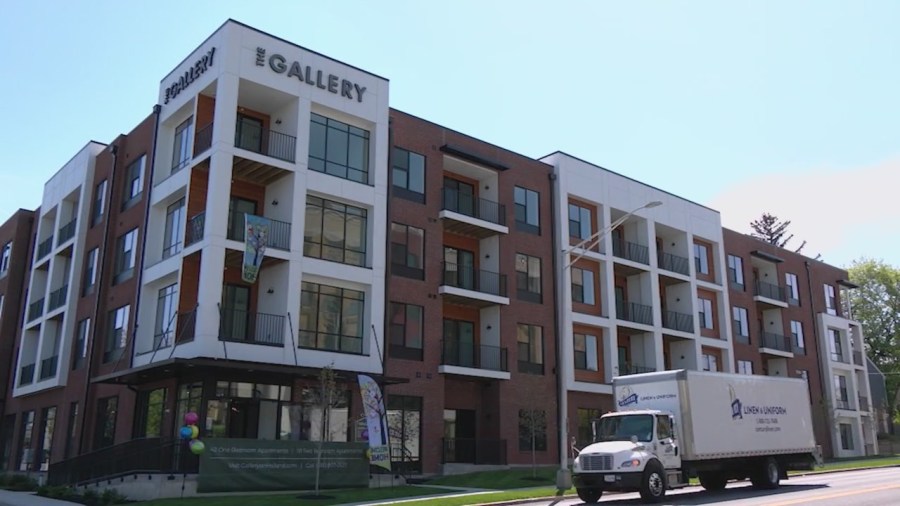
Albany's Housing Challenges and New Policy Proposals
Over the past two years, the pace of new housing development in Albany has significantly slowed. This decline has prompted local leaders to explore new strategies to address the growing demand for affordable housing. Mayor Kathy Sheehan has taken a proactive stance, urging the city’s common council to approve an ordinance aimed at increasing the availability of housing for middle-class families.
Albany’s inclusionary zoning law was initially introduced in 2017 with the goal of ensuring that new apartment developments included a portion of units designated for low-income residents. Under the original policy, buildings with more than 50 units were required to set aside 5% of their units as affordable housing. However, recent changes to the law have shifted the focus and raised concerns about its effectiveness.
In 2023, the rules were updated to require new buildings with more than 20 units to reserve between 7% and 13% of their units for affordable housing. The definition of “affordable” was also revised, limiting eligibility to families earning 60% of the city’s average median income. While the intention behind these adjustments was to better support lower-income residents, Mayor Sheehan has expressed doubts about the policy’s impact.
Sheehan has long argued that the current system is not delivering the desired results. “It simply hasn’t worked,” she stated, emphasizing that she had warned the council for over two years that the existing approach was failing. She even vetoed a previous version of the legislation, believing it would not achieve its intended goals.
The mayor believes that the revised policy, while well-meaning, may not be sufficient to meet the needs of middle-class families who are increasingly struggling with rising housing costs. She has called for a more balanced approach that encourages developers to build more housing while still ensuring affordability for those in need.
Key Changes to the Inclusionary Zoning Law
- Unit Requirements: Buildings with more than 20 units must now reserve 7–13% of their units as affordable.
- Income Thresholds: Affordable housing is now reserved for families earning 60% of the city’s average median income.
- Impact on Developers: The updated rules place additional pressure on developers to comply with affordability mandates.
Despite these changes, many stakeholders remain skeptical about whether they will lead to meaningful improvements in housing availability. Critics argue that the increased requirements could discourage new construction, particularly in a market where housing supply is already constrained.
Mayor Sheehan has continued to push for a more effective solution, suggesting that the city should consider alternative approaches to encourage development while maintaining a commitment to affordability. This includes exploring incentives for developers who agree to include a certain percentage of affordable units in their projects.
As the debate over housing policy continues, the future of Albany’s housing landscape remains uncertain. The success of the new ordinance will depend on how it is implemented and whether it can strike a balance between meeting the needs of residents and supporting the growth of the housing market.

Posting Komentar untuk "Mayor Sheehan Addresses Albany Housing Challenges"
Posting Komentar