
Midyear Layoffs Threaten Portland School District in Financial Crisis
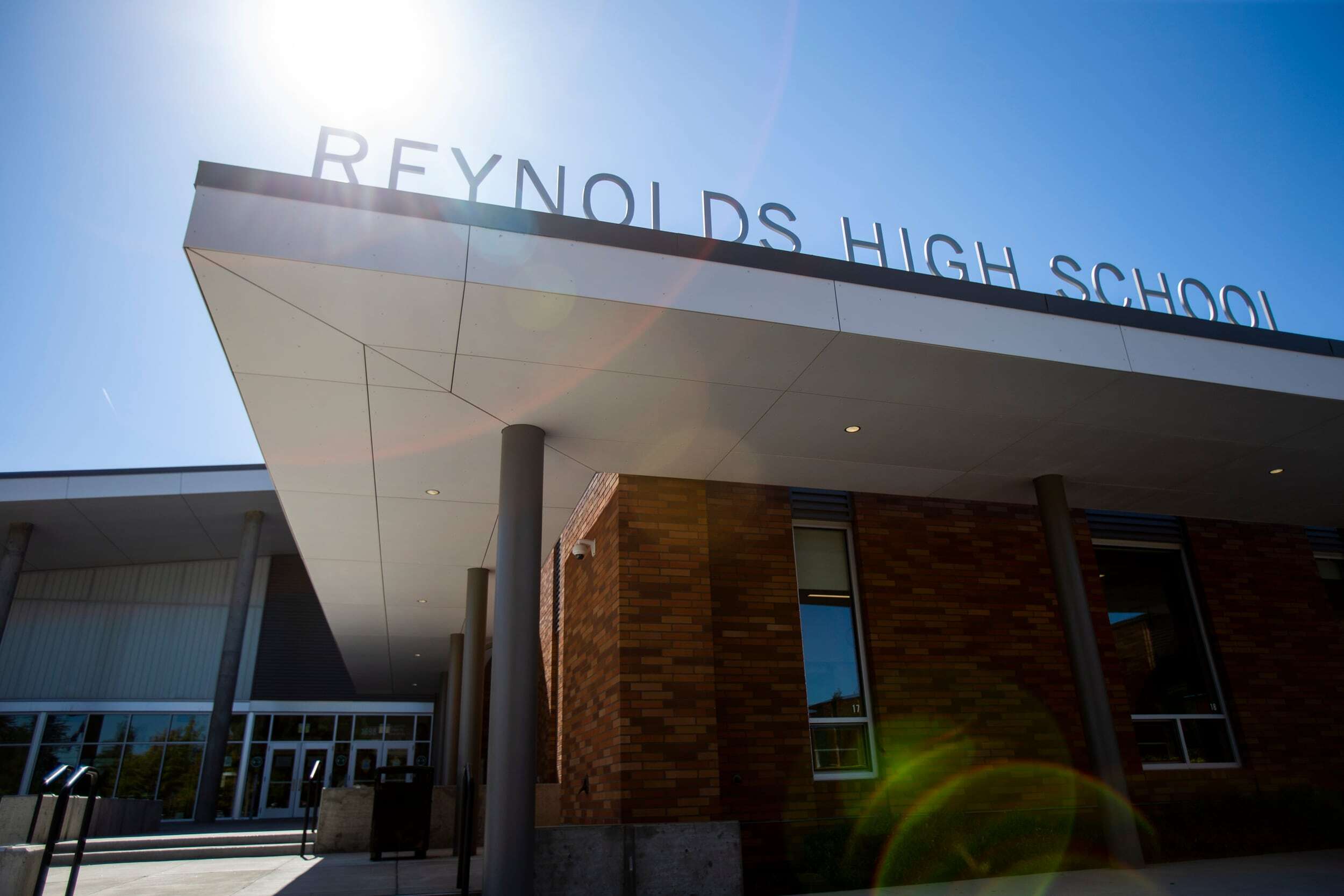
Financial Challenges and Staff Reactions in Reynolds School District
The Reynolds School District, the third-largest school district in Multnomah County, is facing a significant financial challenge. A $5.5 million budget shortfall has created uncertainty about how to address the deficit. The proposed solution involved asking teachers and support staff to take 10 days without pay this school year. However, this plan was overwhelmingly rejected by employees.
If an agreement cannot be reached by early November, the district may need to eliminate approximately 79 positions by November 7, the end of the first quarter. Most of these cuts would come from not filling open roles, according to Superintendent Frank Caropelo. Those affected will be notified during the second week of October, with potential layoffs including teachers, custodians, paraprofessionals, and school bus drivers.
Many school districts across Oregon are preparing for additional budget cuts in the 2026-2027 school year due to declining enrollments, rising costs, and shrinking reserves. The state faces a projected $400 million budget gap over the 2025-2027 period, largely attributed to changes in the Trump administration’s tax code. This makes it unlikely that the state will provide additional funding.
Reynolds stands out as particularly vulnerable for the current school year. The district serves one of the most diverse, poorest, and highest-needs student populations in the state. Over the past decade, enrollment has dropped by 20%, and the district's savings fell below the recommended 5% threshold last year. School board chair Michael Reyes noted that years of efforts to avoid cuts have left the district in a precarious position.
Potential midyear layoffs could disrupt students’ learning experiences, especially after the district already implemented deep cuts earlier this year. These included losing 23 positions for teachers who support English learners.
“We are looking to work with our associations to avoid further staff reductions,” Caropelo said. “The reductions will be felt in every school, in every department. There will be less custodial services and bus drivers. Class sizes will go up. We’ve implemented block schedules at middle and high schools to provide more prep time, but we will have to return to a standard, traditional, seven period day. We won’t have a choice.”
The district’s daily operating cost for its 9,600-student population, which spans from Portland to Troutdale, is approximately $550,000, primarily covering employee salaries. The rejected 10-day furlough proposal would have resulted in a 5% salary cut for staff, reducing the negotiated 7% cost of living adjustment to 2%. The same reduction applied to non-unionized staff, including the superintendent.
The tentative agreement preserved five planning days for teachers and included triggers to restore unpaid days if new state or grant funds became available or if auditors found that the district’s ending fund balance was higher than expected.
Jeffrey Fuller, a teacher at Reynolds High School and leader of the Reynolds Education Association, acknowledged the difficulty of presenting the 10-day furlough proposal to his members. Despite this, 75% of members voted against the agreement.
Fuller and other union members believe the district is overestimating some costs and underestimating available funds. They also feel the state has systematically underfunded schools, especially those serving students from low-income families and those requiring special education services.
The union is currently surveying members to determine their preferences for future negotiations. Meanwhile, the disclosure that several senior-level central office employees received $26,000 raises over the summer has added to the frustration. While the raises don’t significantly impact the district’s $250 million budget, they were seen as a symbolic gesture that clashed with the broader request for staff to do more with less.
Caropelo, who took over as superintendent in 2022 after Danna Diaz resigned midyear, approved the raises to retain key leaders in human resources and finance. He emphasized the importance of maintaining leadership continuity after years of instability in these departments.
Despite the challenges, there are signs of progress. The percentage of ninth graders on track to graduate has been increasing, along with overall graduation rates. Dual language programs have expanded, and the high school’s career-technology electives are growing, with new courses like cosmetology and business/marketing being added.
“We’re starting to turn the corner,” Caropelo said. “Some of it is schedule work, with our kids in the hallway four times during the day instead of seven or eight. Our kindergartners are showing growth in early reading. Even our attendance is coming back a little bit.”
The goal is to maintain this momentum while navigating the ongoing budget crisis. Fuller hopes the district will pause any layoffs while exploring alternative solutions. Negotiations are set to resume soon.

Posting Komentar untuk "Midyear Layoffs Threaten Portland School District in Financial Crisis"
Posting Komentar