
Qualcomm's Power in Super-Chips, AI, and Android Growth
The Evolving Landscape of Automotive Electronics
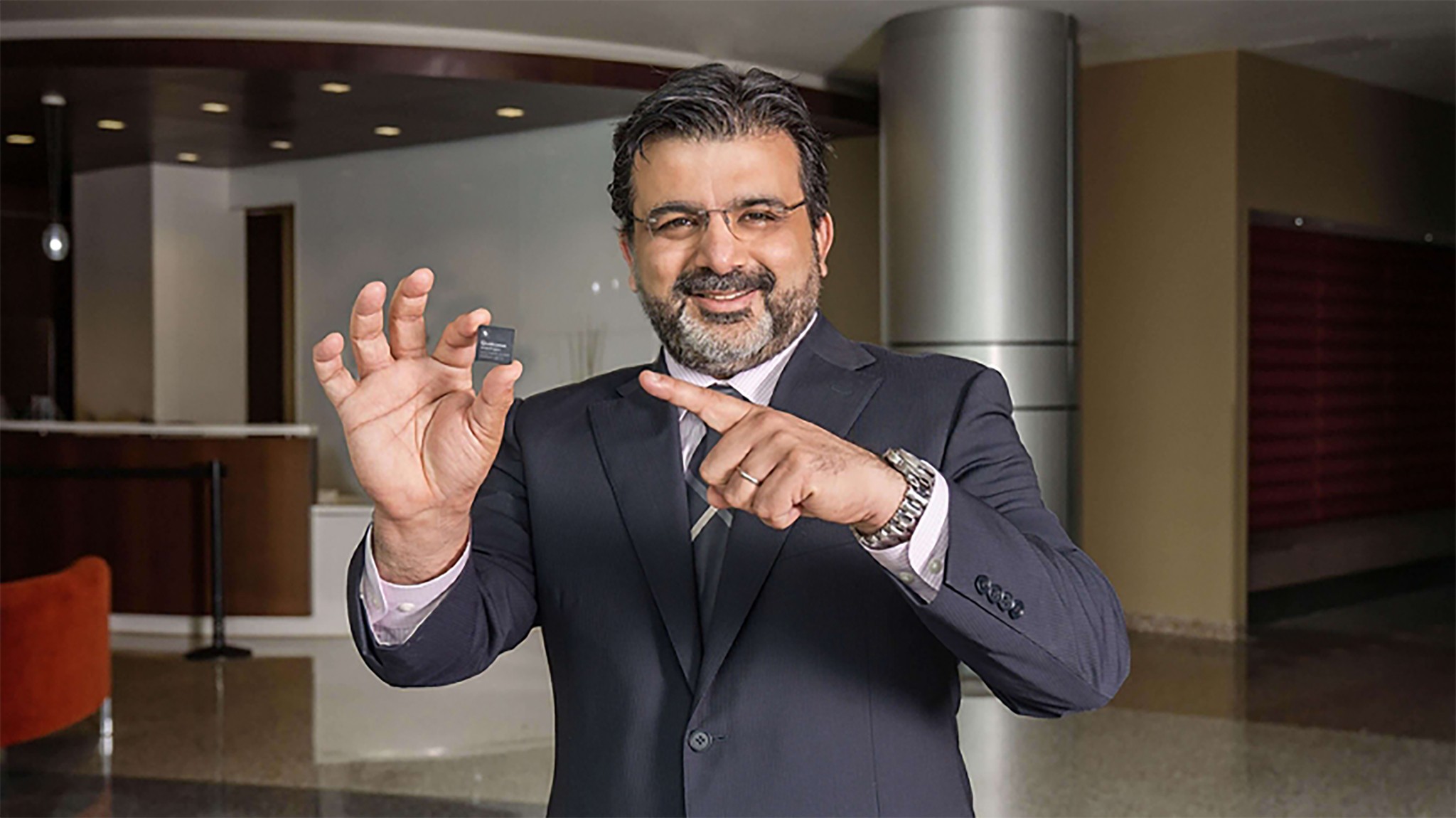
At the 2025 IAA Munich auto show, we had the opportunity to speak with Nakul Duggal, Qualcomm's group general manager for automotive and industrial & embedded IoT. As a key figure in steering the company's efforts in automotive electronics, driver-assistance systems, and AI, Duggal provides valuable insight into the rapidly changing world of automobility.
Emerging Trends in Automotive Chip Design
One significant trend is the development of custom silicon chips by major automakers. Tesla, for instance, has created its own chips to run the software that powers its vehicles. Similarly, Chinese OEMs Nio and Xpeng have announced their own "super chips" at the Shanghai auto show. This raises the question: does this trend pose a threat to Qualcomm?
Duggal acknowledges the trend but notes that the impact hasn't been felt yet. He explains that over the past decade, the car architecture has shifted from a distributed model to a central compute model. This shift allows for more complex, advanced semiconductors running custom software tailored to specific vehicle workloads. However, he emphasizes that very few companies have the capability to design and deploy their own silicon, software, and applications. Notably, many of these Chinese OEMs have roots in mobile telecommunications, similar to Qualcomm.
For Qualcomm, the transition to a central-compute architecture represents a significant opportunity. This model consolidates the complexity of the car into high-performance SoCs (system on chips), which is where Qualcomm excels.
The Future of Chip Design: Super Chips or a Range of Options?
As the industry evolves, the question arises: will the future be dominated by super chips, or will there always be a need for a range of chip sizes and capabilities?
Duggal points out that the market is not one-size-fits-all. It's highly competitive, with multiple tiers, regions, and generations of cars needing support simultaneously. To meet these diverse needs, Qualcomm must offer a sophisticated and deep portfolio of products.
Leveraging Cross-Market Technologies
Qualcomm operates across various markets, and this cross-market experience is beneficial for its automotive division. The company has designed technology for cars that includes camera, AI, and safety technologies, all of which must function reliably in harsh environments. While WiFi and modem chips serve similar purposes across different markets, they require ruggedization for automotive use to ensure longer life cycles.
For other domains like safety, automated driving, and cockpit systems, Qualcomm builds custom chips that incorporate the company's broader technology portfolio but are uniquely designed for automotive use. With partnerships with 75 OEMs, Qualcomm is well-positioned to address cost pressures, AI tiering, affordability, and software support across different regions and generations.
Challenges in Transitioning to Zonal and Central Compute
The shift to zonal and central compute architectures presents several challenges, particularly from a safety and software perspective. Duggal highlights the need to manage single points of failure and the complexity involved in transitioning from older networking protocols like MOST bus, FlexRay, CAN, and LIN to Ethernet. Display and camera interfaces also play a critical role in this transformation.
Although Qualcomm doesn’t build networking chips itself, it collaborates with other suppliers who are essential to developing zonal architectures.
Agentic AI and Strategic Partnerships
With the rise of agentic AI, competitors at the IAA have introduced agents similar to Qualcomm’s partnership with Google, though some have partnered with Microsoft instead. Duggal doesn't see this as a VHS/Beta or Apple/Android scenario. Instead, he views the cockpit as a platform that can host multiple agents, each tailored to specific services.
He emphasizes that there's no inherent format differentiation that would prevent users of one system from accessing another. Duggal also shares an interesting insight: about a decade ago, Qualcomm suggested to Google the potential of integrating Android and other Google services into vehicles. This collaboration has allowed Google to tailor its offerings for in-car use, much like how apps adapt to foldable phones.
The Role of AI in Enhancing the In-Car Experience
AI is playing a crucial role in enhancing the in-car experience. Language models have made significant strides, allowing cars to recognize languages and accents, making it easier for drivers to control features and functions with less frustration.
When asked why Qualcomm chose to partner with Google rather than Microsoft, Duggal explained that the goal is to bring capabilities to platforms that make the car as relevant to consumers as their smartphones, PCs, or tablets. The car is a more complex product, and partnerships with companies like Google help achieve this vision.

Posting Komentar untuk "Qualcomm's Power in Super-Chips, AI, and Android Growth"
Posting Komentar