
Supreme Court: Google's Final Escape from Epic's October Fate
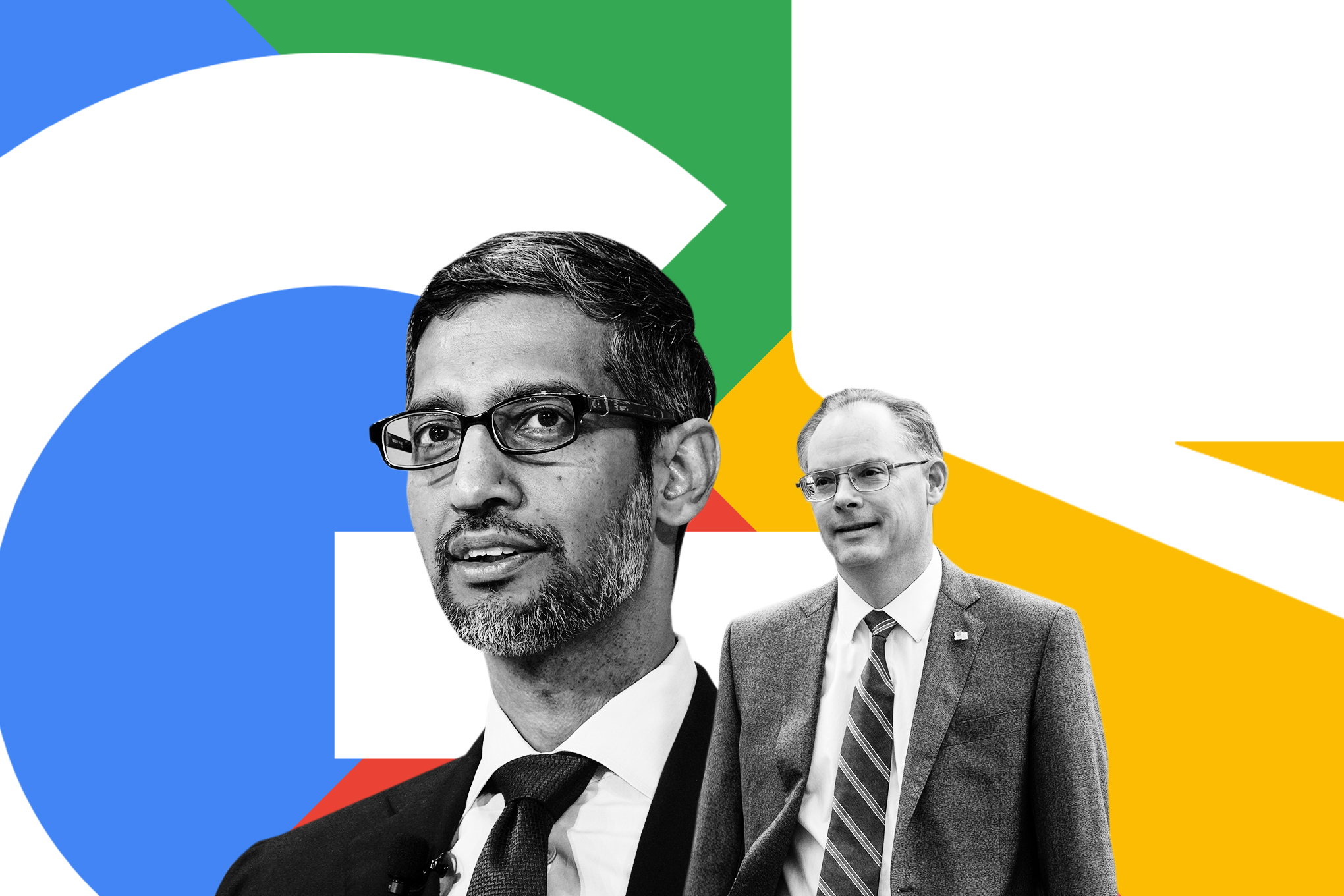
The Ninth Circuit Court of Appeals Concludes Its Role in the Epic v. Google Case
The Ninth Circuit Court of Appeals has concluded its involvement in the high-profile Epic v. Google case, and the outcome is unlikely to please Google. On Friday, the court denied Google’s petition for a rehearing of the case, effectively allowing a permanent injunction to take effect. This means that Google will be required to begin opening up its Android app store to competition, starting within 30 days.
Unless the U.S. Supreme Court decides to intervene, Google must now allow developers to bypass its Google Play Billing system and provide links to alternative app store downloads. This change marks the beginning of a broader transformation of the Android ecosystem. By summer 2026, Google will also be forced to include rival app stores within the Google Play Store and share its full catalog of apps with them.
Epic Games had already secured a victory in this case on July 31st when a three-judge panel upheld the unanimous jury verdict from 2023, which ruled that Google’s app store and payment systems constituted illegal monopolies. However, Google argued that the Supreme Court might view the matter differently and requested an “en banc” review, where the entire Ninth Circuit would reconsider the case. Despite this, no additional judges agreed to re-hear the case, and the court officially denied Google’s petition.
With this decision, the clock started again on the requirement for Google to open up its Android app store. The company now has just 30 days to begin complying with the injunction, and 10 months to fully integrate rival app stores into the Google Play Store—up from previous deadlines of 14 days and 8 months.
What Must Google Do by October?
Here’s a summary of the key requirements Google must meet:
- Stop forcing app developers to use Google Play Billing.
- Allow Android developers to inform users about alternative payment methods within the Play Store.
- Permit Android developers to link to external app download options.
- Let developers set their own prices.
- Cease sharing revenue or perks with phone manufacturers, carriers, and app developers in exchange for Google Play exclusivity or preinstallation.
- Work with Epic to resolve disputes while building a system that allows rival app stores to operate within the Google Play Store.
Judge Donato’s original permanent injunction outlines specific measures that will apply for three years, ending on November 1, 2027. These include:
- Prohibiting Google from sharing revenue with entities that distribute Android apps or plan to launch their own app distribution platforms.
- Preventing Google from conditioning payments or access to Google products on exclusive app launches in the Play Store.
- Restricting Google from requiring developers to not launch apps on third-party platforms or offer different features than those available on the Play Store.
- Banning Google from conditioning preinstallation of the Play Store on OEMs or carriers.
- Forbidding Google from requiring the use of Google Play Billing or blocking other in-app payment methods.
- Allowing developers to communicate with users about app availability and pricing outside the Play Store and to provide links for external downloads.
Additionally, within 30 days of the order, the parties must recommend a three-person Technical Committee to address disputes related to the implementation of these provisions. If the committee cannot resolve an issue, the court may step in. Each party will cover the costs of their respective committee members, with the third member’s fees split equally.
Google’s Response and Future Steps
Google has not yet confirmed whether it will comply with the court’s order, including removing the requirement for Google Play Billing and allowing developers to link outside the Play Store. A spokesperson for Google, Dan Jackson, stated: “We are disappointed with the Ninth Circuit’s decision – the injunction will undermine the security and privacy of users, and we are reviewing our appeal options. Protecting users and the Android ecosystem remains our top priority.”
Epic CEO Tim Sweeney has expressed optimism about the ruling, tweeting that Google Play now has 30 days to free all developers to offer competing payment methods in the U.S. He also noted that the precedent set in Epic v. Apple provides strong support for this decision.
Epic has not yet responded to questions about the Technical Committee, and Google has not announced whether it will appeal to the Supreme Court. According to the Ninth Circuit, if Google does decide to appeal, it must do so within 45 days.

Posting Komentar untuk "Supreme Court: Google's Final Escape from Epic's October Fate"
Posting Komentar