
Tariffs and Price Jumps Push Shoppers to Secondhand Luxury Bags
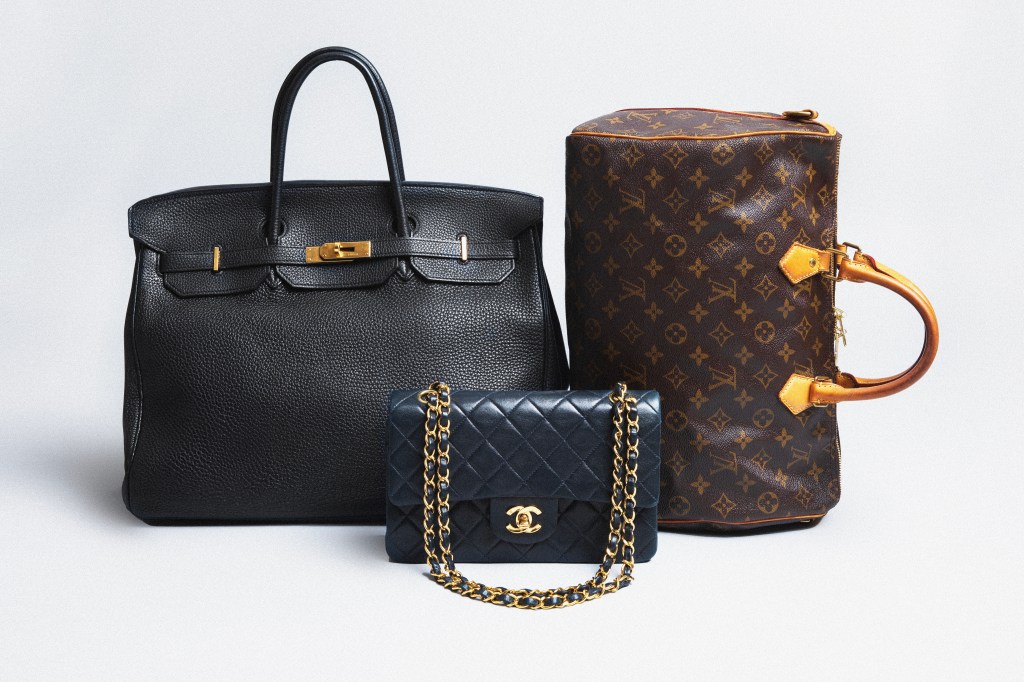
The Resale Market Thrives Amid Rising Luxury Prices
U.S. tariffs of 15 percent on imports from the European Union have created a challenging environment for luxury brands, which are already grappling with weakening demand. However, these tariffs have also given a significant boost to the secondhand market, as consumers look for more affordable alternatives to high-priced new items.
Shoppers are increasingly turning to resale platforms not only for cost savings but also for greater access to authentic and sustainable products. As prices continue to rise across categories—driven in part by brands like Hermès, Louis Vuitton, and Chanel—the pre-owned luxury market has become a more accessible way to enjoy luxury goods.
Jay Sole, an analyst at UBS who follows The RealReal, noted that the sector is relatively healthy. "It's not a question of demand, it's a question of supply," he said. "If there are legitimate, authenticated luxury goods available, consumers will buy."
The new tariffs are adding to inflationary pressures and post-pandemic price increases, which have already driven retail prices to record highs. For resale platforms, this has led to a growing pricing gap between full-price and pre-owned items. This difference benefits platforms that maintain stable average selling prices.
Maximilian Bittner, CEO of Vestiaire Collective, highlighted that despite the new tariffs, average selling prices on the resale market have remained stable. "Secondhand has become an even more affordable alternative as firsthand prices continue to climb," he said.
Fashionphile, another major resale platform, has also seen a shift in consumer behavior. Demand increased even before the tariff rate was finalized. Sarah Davis, founder and president of Fashionphile, explained that people were buying before price hikes, while others were listing their items in anticipation of higher retail replacement costs.
Brand price hikes, including those from Hermès and Louis Vuitton earlier this year, have triggered a pre-emptive rush among buyers. "This always brings out 'buy-before-it-gets-more-expensive' behavior," Davis said. Sellers, on the other hand, have taken a wait-and-see approach, hoping that offers will increase.
While some price-sensitive consumers are reducing their purchases of new retail items, they are not necessarily leaving the luxury market. "There are some buyers who have said they shop from us because they've been pushed to their limits," Davis noted. "We know that many of those same consumers are migrating to pre-owned rather than exiting the category entirely."
As tariffs tighten pressure on retail pricing, resale platforms are well-positioned to capture the shift. Even with economic uncertainty and seasonal slowdowns, consumer interest in the secondhand market has remained steady.
"Demand has remained steady month-over-month, highlighting the resilience and attractiveness of the secondhand market," Bittner said. He noted that order volumes from June to August did not see the typical seasonal dip.
In the current climate, the pressure is pushing sellers to list more items and buyers to act faster—especially as new prices continue to rise.
The most sought-after brands on the resale market remain consistent across platforms. Chanel, Hermès, Louis Vuitton, Dior, and Gucci top both demand and gross merchandise value.
Even amid macroeconomic caution and criticism of pricing, resale prices have held strong. Davis pointed out that even after an investigation by Italian prosecutors alleged that Dior paid a supplier just 53 euros to assemble a handbag sold for over 2,600 euros, resale prices for Dior have not dropped.
At the same time, under-the-radar U.S. luxury brands like The Row and Khaite are gaining traction. These are some of Fashionphile’s hottest-selling styles.
Recent creative director shifts at major houses, such as Demna joining Gucci, Pierpaolo Piccioli at Balenciaga, and Matthieu Blazy at Chanel, have not yet significantly impacted resale demand. Davis noted that designers have not yet launched collections under their new roles, limiting opportunities for renewed consumer interest or nostalgia.
"Designer 'chess moves' have not yet generated a measurable impact on resale demand or brand awareness," Bittner said. However, history suggests that once new collections debut on the runway, resale interest often spikes.
"A designer can make all the difference, and we've seen new designers pump up the resale value of even discontinued, older styles," Davis added. She cited Daniel Lee's influence on Bottega Veneta as an example.
Vintage items, in particular, have emerged as a breakout category, representing legacy and original-era items more than 20 years old. Bittner noted that vintage listings have grown 220 percent in the past five years, while searches for vintage items have increased fivefold. Some vintage handbags from big brands can be priced as low as $100, making them appealing to aspirational buyers facing sticker shock over new goods.
On Sept. 4, Vestiaire Collective launched its "Vintage Pieces at Vintage Prices" campaign, offering heritage handbags at their original price points to attract value-driven buyers.
"Vintage icons carry the same timeless appeal as modern re-editions, at up to 70 percent less," Bittner said. "That makes resale not only desirable, but strategic."
Price sensitivity remains a key theme. "There are some buyers who have said that they shop from us because they've been pushed to their limits," Davis added. "Economically sensitive consumers pull back on big discretionary new buys, but they're still looking for alternatives."
According to Sole, the UBS analyst, the ongoing challenge for the resale market is not moving inventory—it's acquiring it. "Demand is there. It's about supply," he said. By some estimates, there is $200 billion worth of potential inventory in U.S. closets, and it's a matter of making them available to eager resale buyers.
The current economic environment could help change that. "If consumers who own luxury goods, who have a bunch of handbags sitting in their closet, feel like they want to turn that inventory into cash, that would be really compelling," he said. "That would be a catalyst for growth."

Posting Komentar untuk "Tariffs and Price Jumps Push Shoppers to Secondhand Luxury Bags"
Posting Komentar