
The Mercury Boom: Toxic Gold Mining Threatens Lives
The Hidden Cost of Mercury Mining in Mexico
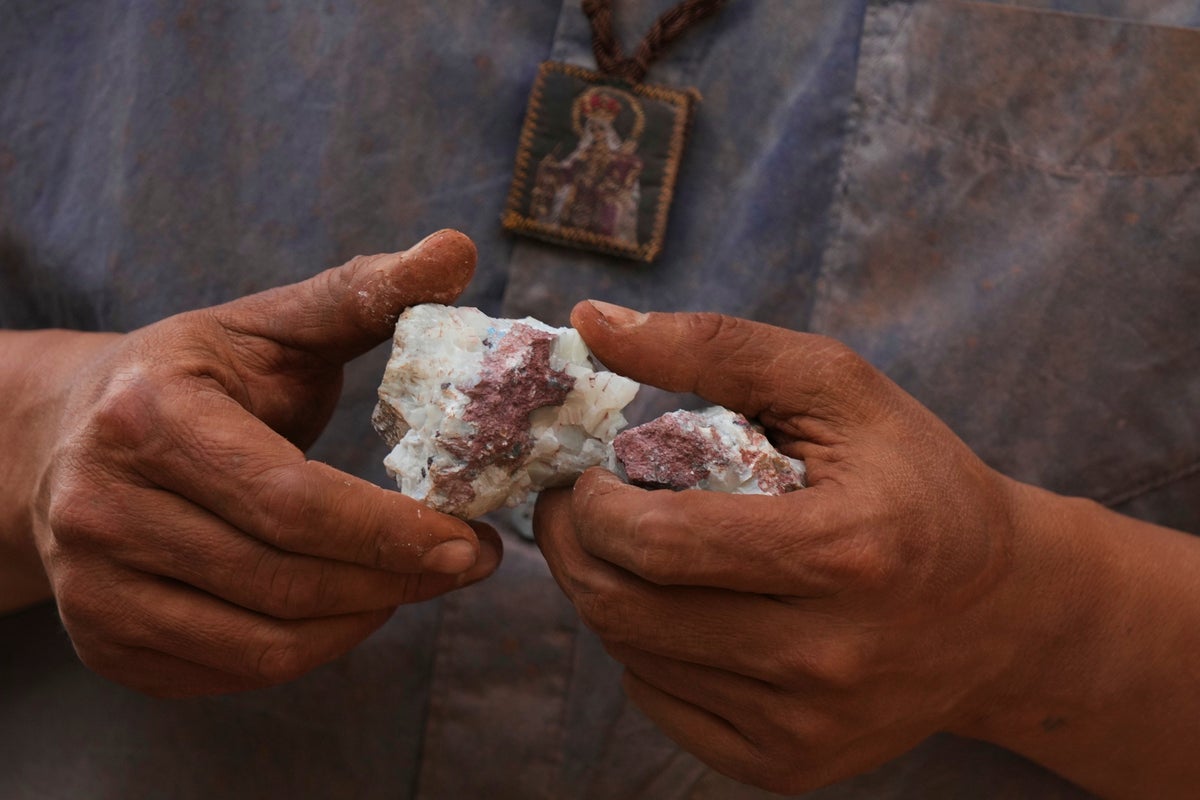
Deep within the mountainous terrain of the Sierra Gorda, a region known for its rich biodiversity, miners like Hugo Flores navigate narrow tunnels to extract one of Earth's most dangerous elements—mercury. This toxic metal, found in red mineral stripes illuminated by their headlamps, has become a critical component in the illegal gold mining industry, driving a surge in demand and economic activity in central Mexico.
The rising international gold prices have led to an increase in mercury’s value, pushing it to all-time highs. As a result, a "mercury boom" is taking place in the Sierra Gorda, attracting thousands of miners and their families. However, this rush comes with serious consequences. The miners are exposed to mercury poisoning, and the fragile environment is at risk of contamination.
Mercury from these mines is not only fueling illegal gold mining in the Amazon but also contributing to environmental degradation across the region. Global efforts to ban mercury mining have inadvertently increased its value, making it more sought after. For many, like Flores, mercury mining is a way of life, even if it means risking their health.
Mercury Mining: A Double-Edged Sword
In towns such as San Joaquin in Queretaro, the price of mercury has skyrocketed over the past 15 years, increasing from $20 per kilogram in 2011 to between $240 and $350 today. This surge has made mercury a lucrative resource, prompting miners to take on significant risks for potential rewards. Researchers like Fernando Díaz-Barriga note that for some, the financial benefits outweigh the dangers.
Miners follow cinnabar veins through narrow tunnels, carrying bags of rock to the surface. The rock is then processed in wood-fired ovens, where mercury is extracted as a gas and collected in plastic bottles. Each bottle can sell for around $1,800, highlighting the high value of this toxic metal. Mexico is the world’s second-largest mercury producer, according to the United Nations, with an annual output of 200 tons.
Buyers from around the world come to purchase mercury from artisanal miners, often reselling it in countries like Peru at much higher prices. Local leaders like Carlos Martínez refer to these buyers as "coyotes," emphasizing how they profit at the expense of miners.
The Environmental and Health Impact
Mercury mining in the Sierra Gorda dates back centuries, with the metal once used in thermometers and cosmetics. However, many countries have since banned its use, leading to a shift in how it is distributed. Today, the majority of Mexican mercury is trafficked to Colombia, Bolivia, and Peru, where it is used in illegal gold mining operations.
These operations have contaminated rivers and ecosystems in the Amazon basin, posing significant threats to both people and wildlife. In July, Peruvian authorities seized a record shipment of four tons of mercury hidden in gravel, underscoring the scale of this issue.
While some claim that criminal groups are involved in mercury mining, local miners and officials dispute these claims, arguing that such accusations criminalize vulnerable workers. Miners like Martínez assert that their work is not a crime, but rather a necessary livelihood.
Economic Uncertainty and Migration Choices
In San Joaquin, where almost half of the 8,000 residents live in poverty, many face a stark choice: migrate to the U.S. or work in a mercury mine. Flores, who returned to Mexico after being denied a green card, now works in the mines, just as his grandfather did. With rising mercury prices, he has seen a growing number of young men return from the U.S. to work in the mines.
Despite the risks, the money from mining has allowed Flores to support his family, sending his children to school and providing better food and supplies. However, he acknowledges the dangers and would not recommend the work for his children.
Health and Environmental Consequences
Doctors like Díaz-Barriga warn that mercury poisoning is a serious threat, with dangerously high levels of the chemical found in the environment and among workers. Miners often eat and drink in the fumes of mercury ovens, and excess rock is shoveled into nearby riverbeds, which flow into the region’s creeks during rain.
Researchers have observed deteriorating health among miners and their families, with symptoms including tremors, neurological decline, vision and hearing loss, and developmental delays in children. Rosillo, a researcher who suffered mercury poisoning herself, describes the area as “poisoned.”
Environmentalists and scientists are also concerned about the impact on the Sierra Gorda Biosphere Reserve, a protected area home to endangered species. The mines, located within and adjacent to the reserve, pose a significant threat to this biodiverse region.
The Future of Mercury Mining
International efforts to curb mercury mining have created a legal grey area, allowing smaller artisanal mines to continue operating. While Mexico signed a U.N. convention banning mercury mining, it gave these mines until 2032 to shut down. Despite this, miners say they have not received any support or alternative job opportunities.
As the mercury boom continues, concerns grow about the potential involvement of organized crime. With the Mexican government seemingly unresponsive, miners fear that the black market will thrive, drawing in criminal groups eager to exploit the situation.
For now, the miners remain caught between economic necessity and the long-term consequences of their work, facing a future that is uncertain and fraught with danger.

Posting Komentar untuk "The Mercury Boom: Toxic Gold Mining Threatens Lives"
Posting Komentar