
Trump increases funding for historically Black colleges amid cuts to Latino-serving institutions
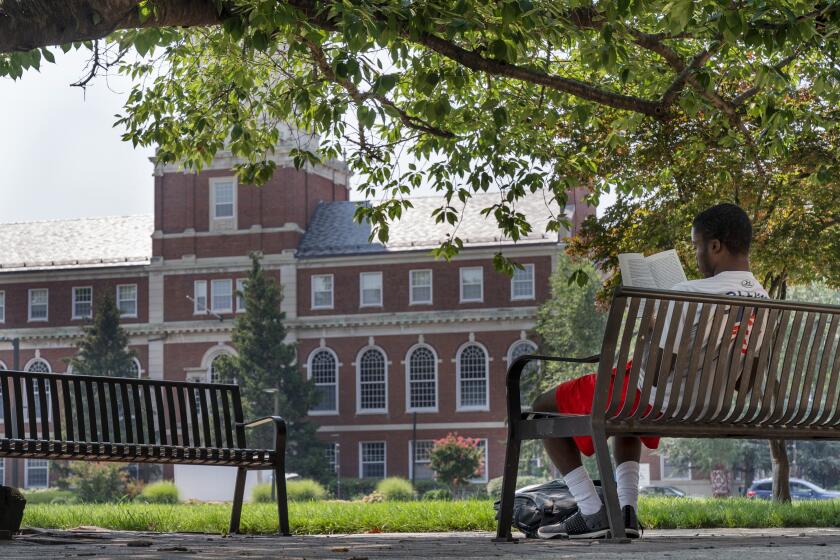
Trump Administration Redirects Federal Funding to HBCUs and Tribal Colleges
The Trump administration has announced a significant shift in federal funding, allocating nearly $500 million toward historically Black colleges and tribal colleges. This one-time investment is primarily funded by cuts to other programs that support colleges serving large numbers of minority students. The move marks a major reallocation of resources, with the Education Department making several key changes to its grant distribution policies.
The Education Department revealed this funding boost just days after cutting $350 million from other grants, many of which were reserved for institutions with high Hispanic student enrollment. Officials stated that these grants were deemed unconstitutional because they were limited to colleges meeting specific minority enrollment thresholds. According to Education Secretary Linda McMahon, the changes aim to redirect funds away from “ineffective and discriminatory programs” and toward initiatives that promote student success.
“The Department has carefully scrutinized our federal grants, ensuring that taxpayers are not funding racially discriminatory programs but those which promote merit and excellence in education,” McMahon said in a statement. The department also emphasized that the new funding will focus on programs that do not rely on racial quotas, instead prioritizing educational quality and outcomes.
In addition to the funding for HBCUs and tribal colleges, the department is also redirecting about $60 million toward charter schools and $137 million toward American history and civics grants. This aligns with President Trump’s January executive order, which directed the agency to repurpose federal money toward charter schools and other school choice initiatives.
The funding boost represents a 48% increase for HBCUs and more than doubles the funding for tribal colleges and universities, according to the Education Department. This shift is made possible through a stopgap funding bill passed by Congress this year, which gives the executive branch greater authority over spending decisions.
Trump has long positioned himself as a supporter of HBCUs. During his first term, Congress allocated $250 million annually for these institutions. In 2023, Trump signed an executive action pledging an annual White House summit, an advisory board, and other forms of support for HBCUs.
The Education Department claims that the redirected funds come from programs found to be “not in the best interest of students and families.” It previously stated that other minority-serving grants would be reallocated to programs that do not depend on racial quotas. A source familiar with the decision noted that money is also being moved away from programs supporting gifted and talented students, magnet schools, international education, and teacher training. Most of these programs would be eliminated in Trump’s 2026 budget request, according to the source, who spoke on the condition of anonymity.
The cuts to the Hispanic Serving Institution (HSI) program have drawn criticism from Democrats, who argue that these programs have had bipartisan support and have helped improve social mobility for working-class Americans. The HSI program was established in 1998 after Congress found that Latino students were graduating from college at significantly lower rates than white students.
The Justice Department’s July memo argued that the HSI grants are unconstitutional because they are only available to colleges where at least 25% of undergraduates are Hispanic. The department declined to defend the program in a lawsuit brought by the state of Tennessee and Students for Fair Admissions, an anti-affirmative action group. The lawsuit seeks to halt the grants, with Tennessee arguing that its public universities serve Hispanic students but fail to meet the “arbitrary ethnic threshold” for eligibility. These schools miss out on tens of millions of dollars due to what the suit calls discriminatory requirements.
This shift in funding reflects a broader effort by the Trump administration to reshape federal education priorities, focusing on programs it deems more equitable and effective while eliminating those it views as discriminatory or inefficient.

Posting Komentar untuk "Trump increases funding for historically Black colleges amid cuts to Latino-serving institutions"
Posting Komentar