
Tuition Promise Increases Retention for Low-Income Students, Study Shows
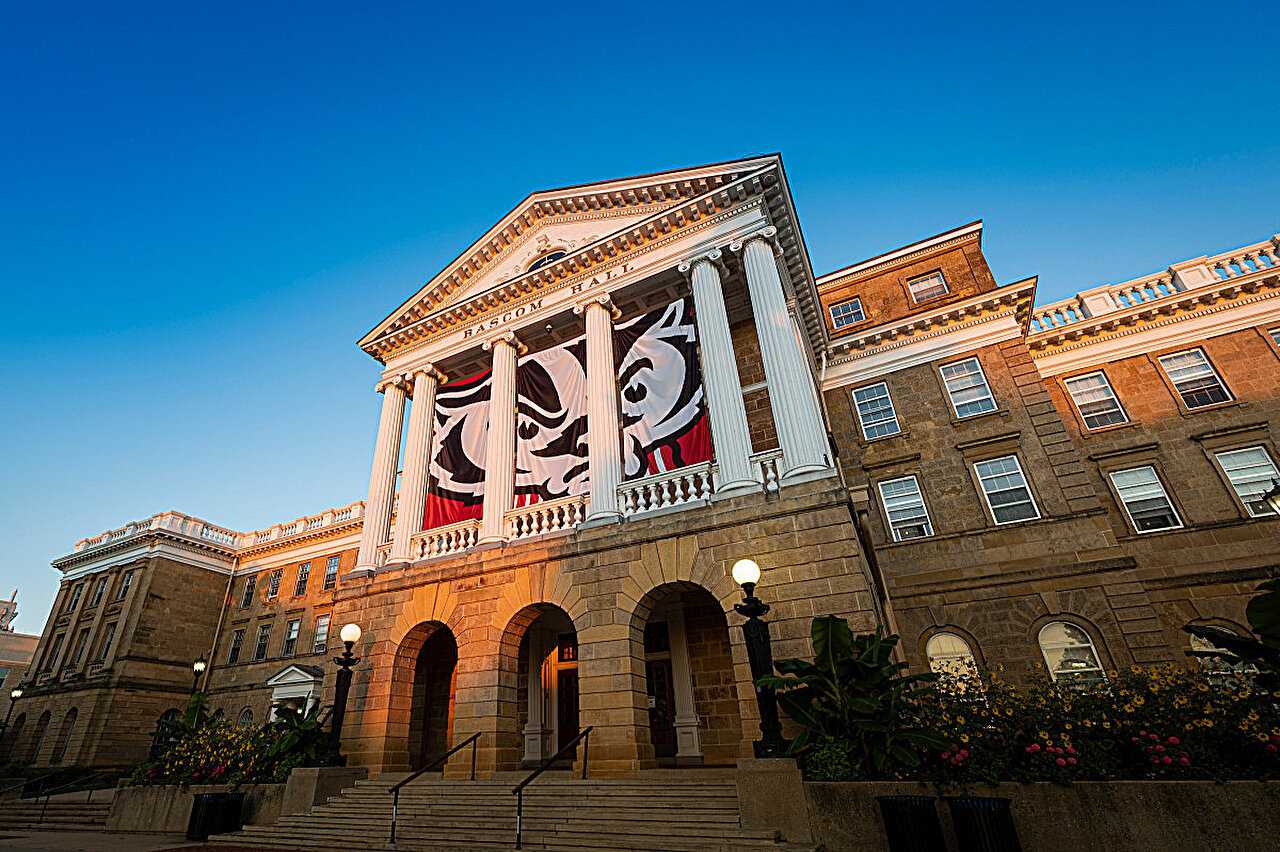
The Impact of Bucky's Tuition Promise on Student Retention
A significant financial aid program at the University of Wisconsin–Madison, known as Bucky's Tuition Promise, has been found to improve student retention rates for in-state students from low- to moderate-income families. According to a recent study published in the Peabody Journal of Education, this initiative has led to an increase in retention by several percentage points.
Scott Owczarek, interim vice provost for enrollment management at UW–Madison, highlighted the positive impact of the program. "Bucky's Tuition Promise is having a positive effect on student success and on the university as a whole," he stated. The program was created to make higher education more affordable and accessible for Wisconsin students, while also encouraging top students to remain in the state and contribute to its communities.
How Bucky's Tuition Promise Works
Named after the university’s mascot, Bucky's Tuition Promise guarantees four years of tuition and segregated fees for incoming freshmen from Wisconsin whose family's annual adjusted gross income is $65,000 or less. Transfer students from Wisconsin can receive up to two years of funding. Initially, the income threshold was set at $56,000, which was close to the state's median household income at the time.
This program is designed to ensure that eligible students can pursue their education without the burden of high tuition costs. It is automatically awarded based on information provided through the Free Application for Federal Student Aid (FAFSA), eliminating the need for a separate application process.
Research Findings on Retention Rates
Amberly Dziesinski, the study's author and a research analyst at UW–Madison's Student Success Through Applied Research (SSTAR) Lab, conducted a detailed analysis of the program's long-term effects. Her research focused on how students who qualified for Bucky's Tuition Promise performed once they arrived on campus.
Dziesinski compared students just below and just above the income eligibility threshold. She found that the retention rate for Bucky's Tuition Promise students entering their second year was 96.6%, compared to 93.4% for those who did not qualify. This difference of about three percentage points was statistically significant, indicating that the program had a measurable impact on student persistence.
Even when compared to a broader group of students with family incomes below $120,000, Bucky's Tuition Promise recipients had a slightly higher second-year retention rate (95.8% versus 94.9%). These results suggest that the program is helping students from diverse economic backgrounds succeed.
Broader Implications and Future Research
While the study showed promising results for retention, the findings related to graduation rates and debt load were less conclusive. Dziesinski emphasized that further research is needed to fully understand the long-term effects of the program.
The research was supported by the nonprofit organization Ithaka S+R and the American Talent Initiative's Student Success Research Grant Program. These organizations have played a key role in advancing studies that aim to improve student outcomes and reduce barriers to higher education.
Additional Financial Aid Initiatives
In addition to Bucky's Tuition Promise, UW–Madison has launched two other major financial aid initiatives to support Wisconsin residents.
Bucky's Pell Pathway, introduced in 2023, provides full financial aid for students from low-income households who qualify for Federal Pell Grants. It covers tuition, fees, housing, food, course materials, and other expenses for four years for first-year students and two years for transfer students.
The Wisconsin Tribal Educational Promise Program, announced in 2023, offers full financial support for undergraduate degrees to state residents who are enrolled members of federally recognized Wisconsin Indian tribes.
These programs reflect the university's commitment to making higher education more accessible and equitable for all students, regardless of their financial background.

Posting Komentar untuk "Tuition Promise Increases Retention for Low-Income Students, Study Shows"
Posting Komentar