
U.S. and China Near TikTok Deal as Tariffs, Controls Remain Unresolved
U.S. and China Reach Framework for TikTok Deal Amid Ongoing Trade Tensions
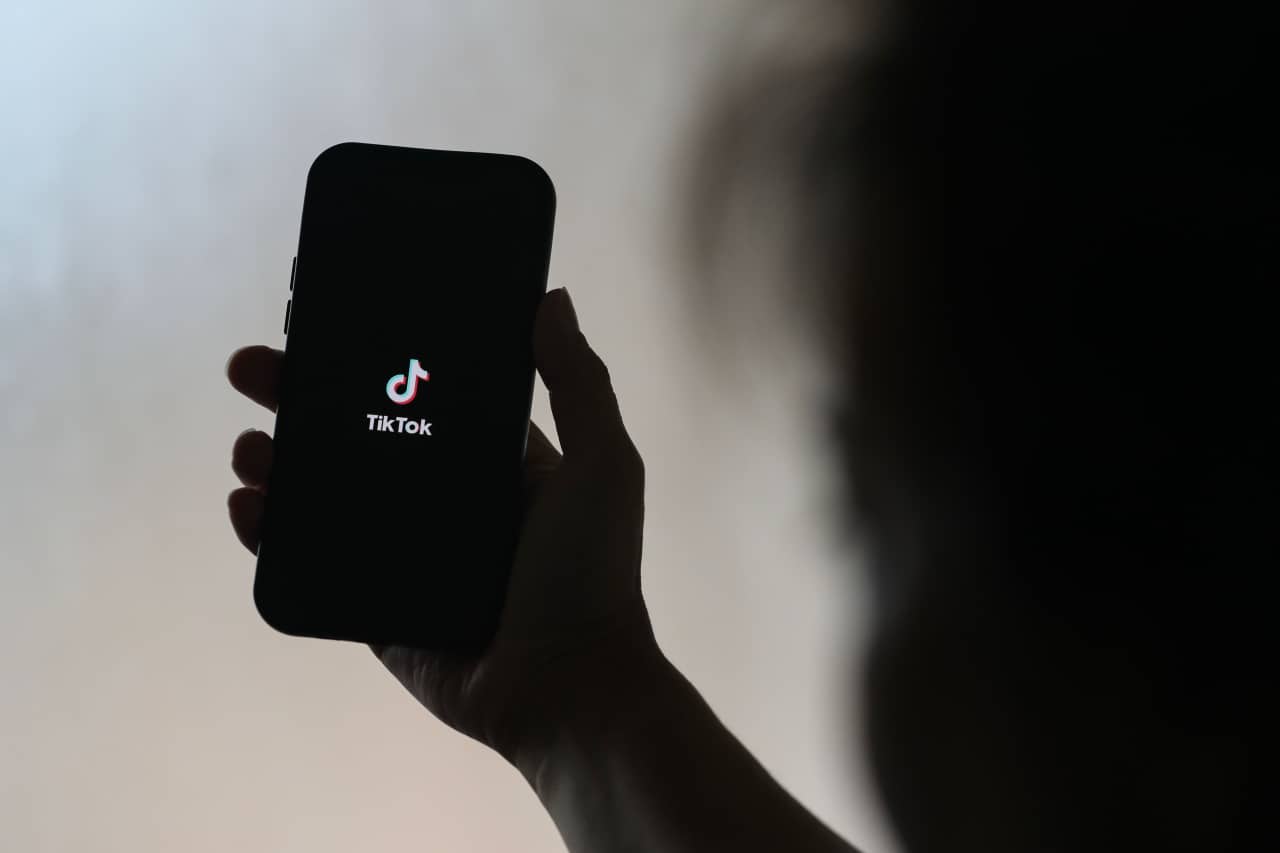
The United States and China have made progress in their ongoing trade negotiations, with a significant development involving the social media app TikTok. Officials from both countries have reached a “framework for a deal” that would prevent a potential ban on TikTok in the U.S. However, other key issues such as export controls and tariffs were not resolved during the talks, leaving them to be addressed at a later date.
Treasury Secretary Scott Bessent confirmed during a press briefing that the U.S. and China had reached a commercial agreement to address national security concerns surrounding TikTok. The app, which is used by 170 million Americans and owned by ByteDance, would be transferred to an American owner under the terms of the deal. However, Bessent did not provide details about the specifics of the agreement, including whether TikTok’s algorithm would be included in the divestment or what concessions the U.S. might have made in return.
The deal is still subject to approval from President Donald Trump and Chinese leader Xi Jinping, who are scheduled to speak on Friday. This agreement comes after Trump extended the self-imposed deadline for TikTok to shed its Chinese ownership, in compliance with a 2024 law passed by Congress. The most recent deadline for this transition is set for September 17.
Oracle, one of the companies involved in previous discussions about acquiring TikTok, saw its stock rise nearly 2% following the announcement of the deal. This indicates growing optimism among investors about the potential outcome of the negotiations.
Broader Implications of the Talks
The TikTok deal was announced just days after Beijing launched an antimonopoly probe into Nvidia for a 2020 acquisition. Treasury Secretary Bessent acknowledged the “poor timing” of the investigation but emphasized that the overall tone of the talks was respectful and productive. He also mentioned that future trade negotiations would take place in a month, though no specific date was given.
U.S. Trade Representative Jamieson Greer described the talks as productive and left open the possibility of extending the pause on tariff increases on China, which is set to expire on November 10. This softer rhetoric, despite underlying tensions, suggests efforts to schedule an in-person meeting between Trump and Xi Jinping this fall. Potential venues include the Asia-Pacific Economic Cooperation summit in Korea or a visit by Trump to Beijing.
Analysts suggest that for the U.S., continued access to critical minerals and commitments to buy energy and agricultural products are likely priorities. However, tariffs have negatively impacted U.S. agricultural exports, with China purchasing more soybeans from Brazil, which has hurt the market share of U.S. farmers. Pressure from farmers could lead to pushback on tariffs from Republican lawmakers in the coming months.
Geopolitical and Technological Challenges
The U.S. is also pushing the European Union to impose tariffs on China for its purchases of Russian oil, a move that the U.S. has not yet taken, even as it has imposed 25% tariffs on India for similar actions. The U.S. has also encouraged Mexico to implement tariffs on China, while Beijing has warned against such moves.
China, on the other hand, is seeking the removal of the 20% tariffs imposed by Trump earlier this year related to fentanyl flows and further relief on export controls, particularly on technologies like high bandwidth memory. According to Paul Triolo, a partner at DGA-Albright Stonebridge Group, TikTok is not a top priority for China.
The technology battle between the two countries continues, with additional probes into companies like Nvidia and Texas Instruments. Beijing has also warned local companies against using AI chips from Nvidia and AMD, even as these companies push for the U.S. to loosen restrictions on their ability to sell chips in China.
Challenges for Tech Companies
Analysts note that the timing of these investigations appears to be strategically chosen to maximize leverage during trade talks and signal to foreign firms to lobby for relaxed tech export controls. Despite these challenges, companies like Nvidia have developed strong relationships with Chinese officials and may work to address any new regulatory measures.
However, the situation highlights the uncertainty and complexity faced by companies caught between the policies of both governments. While some industry groups prefer to use Nvidia hardware, Beijing is encouraging domestic alternatives. Meanwhile, certain factions within the U.S. government are increasingly critical of Nvidia and the Trump administration's decision to license H20 GPUs for Chinese customers.
This delicate balance underscores the fragility of the current truce between the U.S. and China, and the potential risks companies face as both nations navigate their strategic rivalry.

Posting Komentar untuk "U.S. and China Near TikTok Deal as Tariffs, Controls Remain Unresolved"
Posting Komentar