
What's Next After This Week's Rate Cuts
Federal Reserve Faces Key Decision on Interest Rates
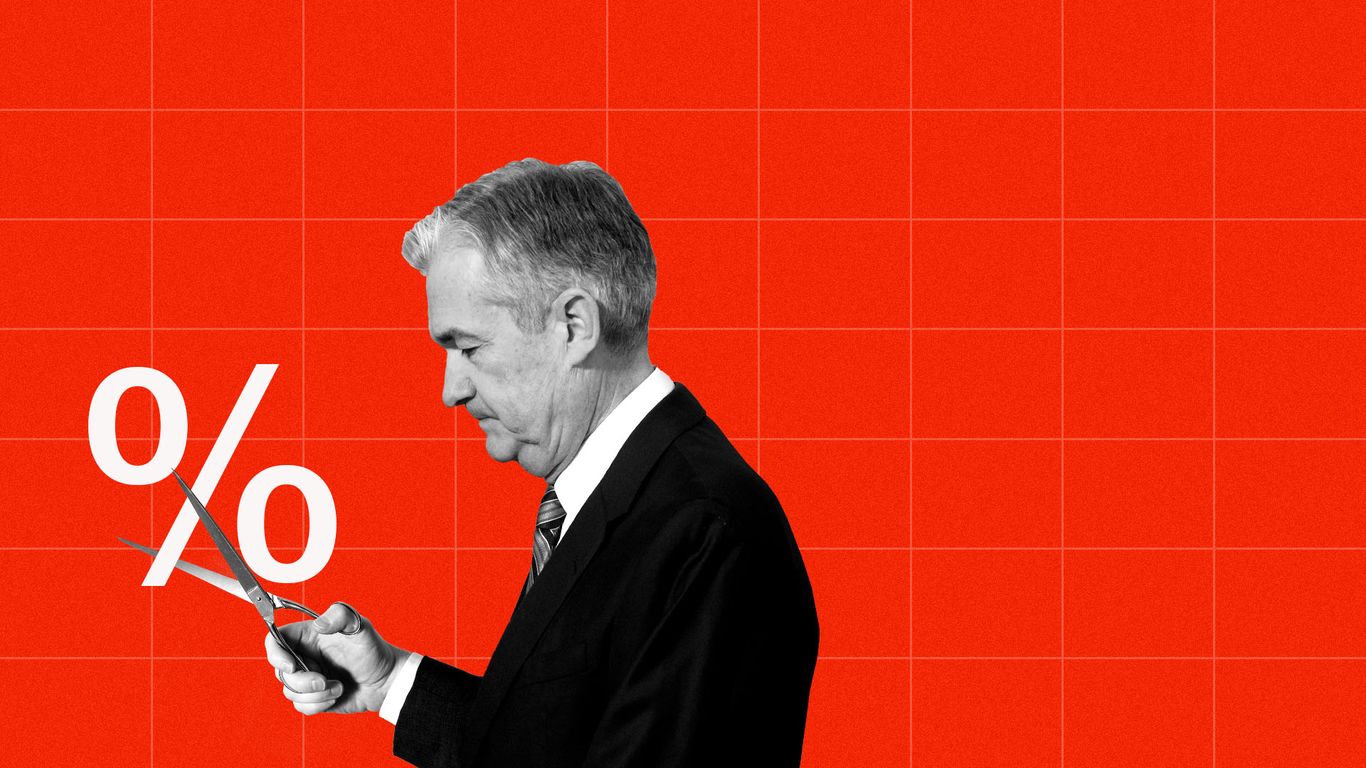
After nine months of maintaining its current stance, the Federal Reserve is preparing to introduce some relief in interest rates on Wednesday. The central question now is what signals this decision will send about the future direction of monetary policy.
The Big Picture: A Shift in Focus
The Fed's decision comes amid a noticeable decline in job growth, which has strengthened the case for a quarter-point reduction in interest rates among many officials. However, with inflation still remaining high, there are concerns that some members may be hesitant to signal further easing.
New quarterly projections released on Wednesday will provide insight into the range of opinions within the Federal Open Market Committee (FOMC) and how much agreement exists regarding additional rate cuts this year. These projections are expected to reflect the evolving views of policymakers as they assess the economy’s current state.
A Look Back at Previous Projections
In the last set of projections issued in June, the median official anticipated two rate cuts in the second half of the year. However, there was a wide range of perspectives, with seven out of 19 officials not supporting any rate reductions. Since then, inflation has followed expectations closely, but job creation has experienced a significant slowdown. This shift has created more room for consensus among policymakers that it's time to ease monetary policy.
The Current Debate: Strategic vs. Prolonged Rate Cuts
The new projections will reveal the balance of opinion within the FOMC between those who believe one or two strategic rate cuts are appropriate and those who argue for a longer period of easing to stimulate the economy.
There is also a possibility that Stephen Miran, if confirmed in time, could dissent and support a larger rate cut. Additionally, one or both of President Trump's appointees on the board—Michelle Bowman and Christopher Waller—might align with this view.
On the other hand, hawkish dissents, which favor keeping rates unchanged, are less likely but not entirely ruled out. Officials like Kansas City Fed President Jeffrey Schmid and St. Louis Fed President Alberto Musalem could still voice concerns about the pace of easing.
Expert Perspectives
Samuel Tombs, chief U.S. economist at Pantheon Macroeconomics, noted that "the vote to ease policy is unlikely to be unanimous." He added that a divided committee would result in a more concise policy statement, offering little clarity on the timing and extent of further easing.
Tombs also pointed out that the Fed chair, Jerome Powell, may face challenges in influencing markets with his comments. With his term as Chair ending in May and growing public disagreements among FOMC members, the market might respond less strongly to his statements than in the past.
Recent Developments and Their Impact
A lot has transpired since the last Fed policy meeting on July 30. Two days later, new jobs data revealed a sharp drop in job growth. Shortly after, President Trump fired the Bureau of Labor Statistics (BLS) commissioner, and Governor Adriana Kugler announced her resignation—positions that Miran is expected to fill.
The recent controversy over Governor Lisa Cook’s mortgages also emerged shortly after. Powell is expected to maintain a calm demeanor when addressing these developments, emphasizing the Fed’s commitment to making decisions based on solid data, independent of political influences.
Looking Ahead
As the Fed prepares to make its decision, the focus will be on the signals it sends about the future of monetary policy. The outcome will shape the economic landscape and influence investor confidence in the coming months.

Posting Komentar untuk "What's Next After This Week's Rate Cuts"
Posting Komentar