
Why the 10-Year Treasury Surge Above 4% Warns Investors
The Tug-of-War in the U.S. Treasury Market
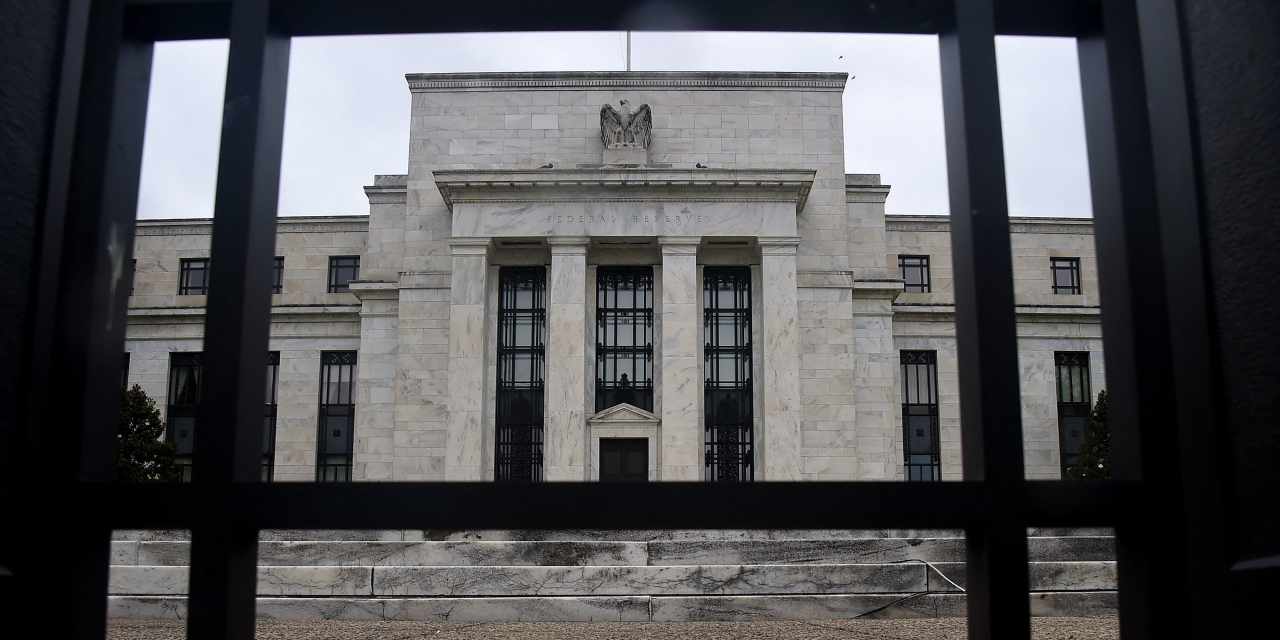
The $29 trillion U.S. Treasury market is currently experiencing a significant tug-of-war between two opposing groups of investors. On one side are those concerned that weaknesses in the labor market could lead the Federal Reserve to make substantial interest rate cuts. On the other side are those who believe the central bank’s battle against inflation is not yet over. This tension is reflected in the recent fluctuations of the 10-year Treasury yield, which has risen above 4%, after briefly falling below this key level earlier in the week.
As of Monday afternoon, the 10-year yield stood at 4.034%, indicating that many investors are hesitant to purchase longer-term U.S. debt at some of the lowest yields seen this year. This cautious stance comes ahead of the Fed’s upcoming two-day policy meeting, which concludes on Wednesday. During this meeting, Chair Jerome Powell is expected to announce a 25-basis-point reduction in short-term rates and provide an updated economic outlook.
Gennadiy Goldberg, head of U.S. rates strategy at TD Securities, noted that the hesitation among investors to chase lower yields is a significant factor in the current market dynamics. He explained that bond prices and yields move inversely, meaning that as demand for bonds increases, their prices rise and yields fall.
Volatility and Key Trends in the Bond Market
Despite the volatility experienced in the bond market this year, Treasury yields have generally trended downward compared to six months ago. Notably, the shorter-term 2-year yield has declined more significantly than the 10-year yield, as illustrated by a relevant chart. However, this isn’t the only important movement in the Treasury market.
A popular trade among bond managers has been to bet on a “steepening” of the Treasury yield curve, where the difference between shorter-dated and longer-dated Treasury yields widens. This strategy has been quite successful recently, with the gap between the 10-year and 2-year yields reaching 65 basis points a few weeks ago—its second-highest level since January 2022, just behind a brief spike to 67 basis points during the April tariff shock.
Kent Engelke, chief economic strategist at Capitol Securities Management, has supported the steepening trade. In contrast, some analysts, including those at Pimco, have expressed doubts about its potential for further growth. Engelke argued that factors such as rising inflation, a large U.S. deficit, and attacks on the Fed’s independence under the Trump administration support his view. He emphasized the need for the president to stop making statements that could undermine the Fed’s credibility.
Implications of Fed Credibility and Political Influence
If the Fed’s credibility is called into question, it could lead to a loss of investor confidence, potentially putting downward pressure on the dollar and pushing U.S. Treasury yields higher. Conversely, a restructured Fed under a different administration might be more inclined to take aggressive measures to lower longer-term rates.
Strategists at RBC warned in early September that investors betting on a steeper Treasury yield curve might face challenges ahead of the Fed’s rate decision. Recent data shows a slight retreat in the curve’s steepening, suggesting that the market may be adjusting its expectations.
Soft Landing or Economic Uncertainty?
Simon Dangoor, head of fixed-income macroeconomic strategies at Goldman Sachs Asset Management, believes the Fed will likely implement a series of “adjustment cuts” without being forced to respond to a significant increase in recession risks. He anticipates a soft landing for the economy, despite recent cracks in the labor market.
Dangoor acknowledged that the environment has been favorable for those betting on a steepening yield curve but noted that the path forward has become more complex. Meanwhile, the S&P 500 index and Nasdaq Composite Index reached fresh record highs on Monday, driven by expectations of Fed rate cuts and a secure economic outlook.
Amar Reganti, a fixed-income strategist at Hartford Funds, observed that the Fed seems more focused on labor market issues than on inflation pressures. However, he also pointed out that it is still too early to determine the full impact of tariffs on inflation. Reganti emphasized that the market’s assumption of immediate pass-through of tariff costs is flawed, noting that the process could be nonlinear and occur at varying speeds.

Posting Komentar untuk "Why the 10-Year Treasury Surge Above 4% Warns Investors"
Posting Komentar