
AC Saves Lives in Heat Waves. Will LA Mandate It for Rentals?
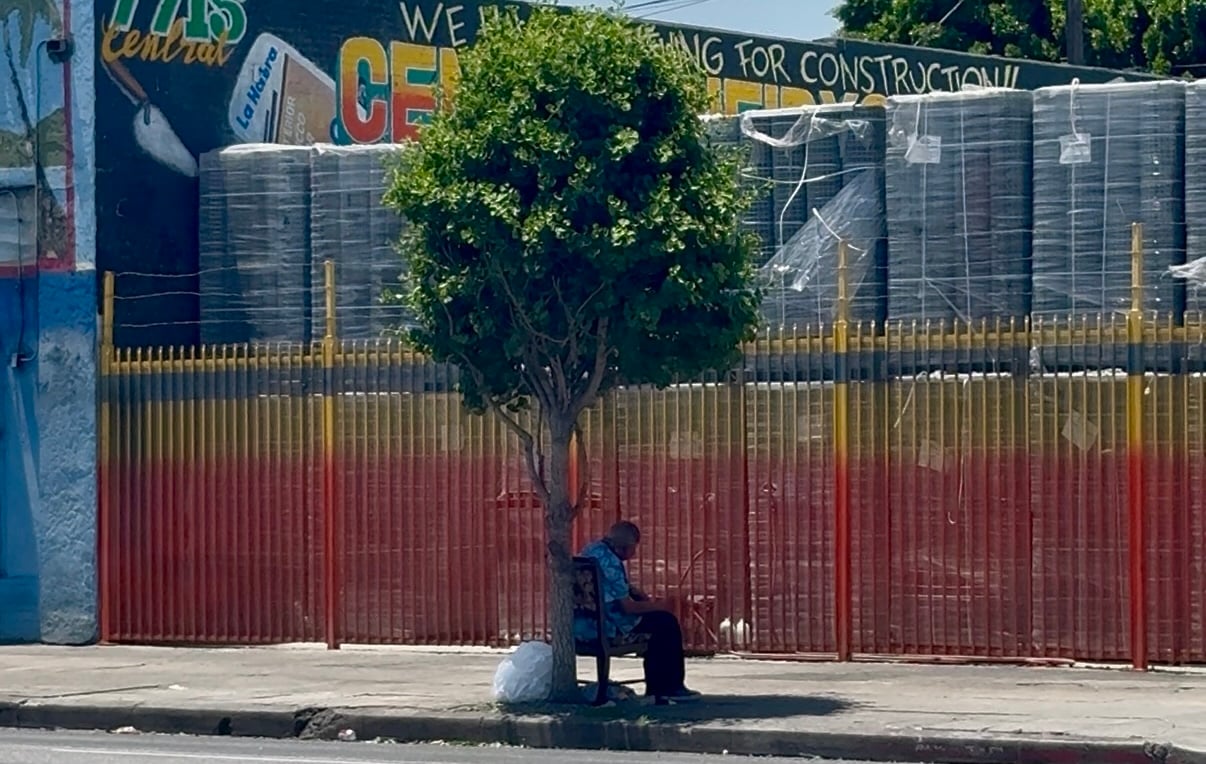
Addressing the Heat: Los Angeles Tackles Rising Temperatures and Renters’ Rights
As temperatures in Los Angeles spike around Labor Day, many renters find themselves trapped in sweltering homes with little relief. Climate change, driven by the burning of fossil fuels, has extended periods of extreme heat, making it a growing concern for residents. According to data compiled by Climate Central, the number of days from September to November that are hotter than a temperature baseline has increased since 1970, adding nine extra days above normal temperatures.
This issue is not being felt equally across the city. Data collected by UCLA shows that emergency room visits on hot days are higher in zip codes located in lower-income communities that are heavily covered in asphalt. These areas often lack green spaces and have limited access to cooling resources, exacerbating the effects of heat on vulnerable populations.
In response, the county recently adopted an ordinance requiring landlords in unincorporated areas to maintain a “maximum indoor temperature” of 82 degrees Fahrenheit. This measure aligns Los Angeles with other hot weather regions like Dallas and Palm Springs. However, the county does not immediately require air conditioning installation. Instead, it suggests landlords use “passive cooling strategies” after residents submit heat complaints. If these measures fail, landlords may be required to install air conditioning or heat pumps.
The American Red Cross advises people to seek out indoor spaces with air conditioning during extreme heat. However, a 2023 report from the L.A. City Council’s Climate Emergency Mobilization Office raised concerns about the feasibility of mandating air conditioning. The report suggested that upgrading electrical wiring in older buildings would be costly and could lead to more frequent power outages. Despite this, renter advocates argue that air conditioning is the safest option, and other solutions like insulating roofs are not practical or effective on their own.
Los Angeles City Councilmember Eunisses Hernandez is pushing for the city to adopt a version of the county’s ordinance. She highlights that renters, especially those in her district, suffer more from heat-related illnesses. District 1, which she represents, includes neighborhoods such as Westlake/MacArthur Park, Chinatown, Lincoln Heights, and parts of Downtown and Highland Park. Sixty percent of her constituents are renters, many of whom live in older buildings without air conditioning.
Hernandez emphasizes that her motion does not dictate a single path for landlords but provides options for cooling solutions. It encourages property owners to explore different types of cooling apparatuses, including HVAC systems and solar technologies. While she acknowledges the high cost of installing air conditioning, she believes it is essential for maintaining safe living conditions.
A report by Strategic Actions for a Just Economy in July highlighted the importance of air conditioning for renters, who consistently expressed the need for it to combat the heat. While the state and county promote passive cooling strategies like shading and roof insulation, Hernandez remains open to exploring all options, including mandatory air conditioning, as long as they are feasible and affordable.
She also introduced a motion asking the Los Angeles Housing Department to study how requiring cooling systems in pre-1980 buildings might affect utility bills. Although the report is still in progress, she hopes it will provide insights into the costs and potential benefits of implementing such measures. Her goal is to ensure that the city can support tenants without overburdening the electrical grid, potentially leveraging solar technologies to reduce reliance on traditional power sources.
Enforcing the new temperature threshold poses challenges, particularly for tenants in areas with limited access to inspectors. Hernandez acknowledges the need for alternative verification methods and plans to work closely with the Housing Department to develop effective solutions.
For renters in her district, especially those in heavily paved areas with few green spaces, heat waves are a quality-of-life issue and a serious health risk. The proposed ordinance aims to improve living conditions by ensuring that landlords provide adequate cooling, reducing hospital visits and enhancing overall well-being.
If the ordinance passes, landlords will have a timeline to implement cooling solutions. Enforcement is set to begin in 2027, with existing property owners able to request a two-year extension if needed. This phase one approach allows for flexibility while laying the groundwork for future accountability and enforcement.
Ultimately, the goal is to create a safer, more comfortable environment for renters, ensuring that no one has to endure the unbearable heat of summer without access to air conditioning. As the city continues to address the impacts of climate change, policies like this represent a critical step toward protecting vulnerable communities.

Posting Komentar untuk "AC Saves Lives in Heat Waves. Will LA Mandate It for Rentals?"
Posting Komentar