
China Charges Nvidia with Antitrust Violations
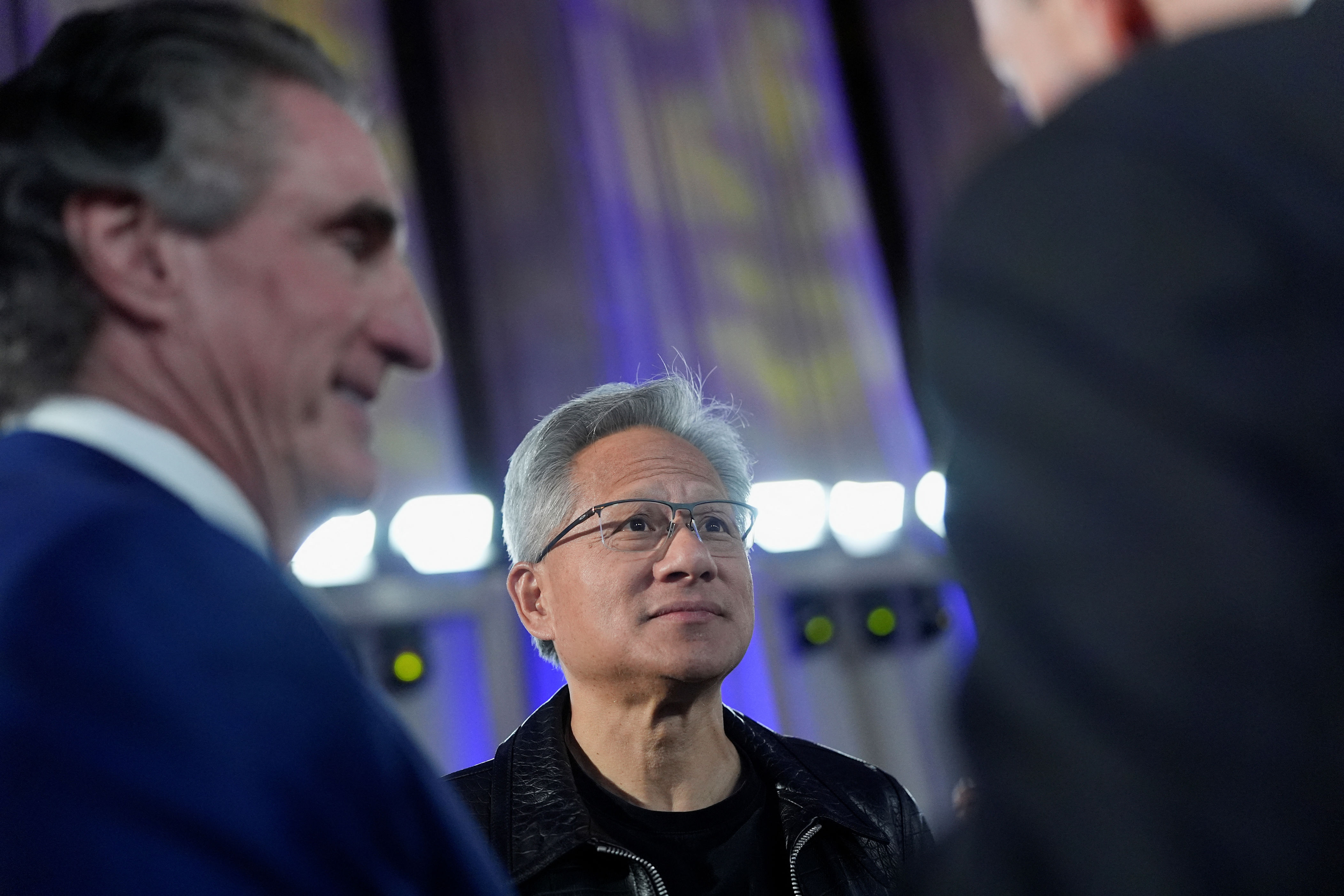
China Accuses Nvidia of Violating Anti-Monopoly Laws
China has accused the US-based chipmaker Nvidia of violating its anti-monopoly laws, marking a new phase in the ongoing trade tensions between the two countries. This accusation comes as China and the United States hold trade discussions, with technology and export controls expected to be key topics.
The Chinese market regulator, the State Administration for Market Regulation (SAMR), made the allegations after conducting a preliminary investigation into Nvidia’s business practices. The timing of the announcement was seen as significant, especially as the two nations engaged in talks in Madrid, Spain. US Treasury Secretary Scott Bessent criticized the move as “poor timing,” suggesting it could give China leverage in negotiations.
This latest development is part of a broader pattern of escalating tensions since former US President Donald Trump imposed heavy tariffs on Chinese goods. While these tariffs have been reduced, they continue to affect trade relations. In response, China has introduced its own tariffs and initiated antitrust investigations against major US companies like Alphabet’s Google.
Analysts believe that China is sending a message to the US that if it continues its current approach to export controls, there will be consequences. Zhengyuan Bo, a partner at research firm Plenum, stated that China is willing to take action against US firms if necessary.
Nvidia’s business in China represents 13 percent of its total sales, making this situation particularly concerning for the company. Despite efforts by CEO Jensen Huang to strengthen ties with the Chinese market through multiple visits, the regulatory scrutiny poses a challenge.
Chinese tech giants such as Tencent and TikTok’s parent company, ByteDance, have shown strong interest in Nvidia’s chips, which are essential for building infrastructure for AI workloads. However, reports suggest that China has discouraged these companies from purchasing US-made technology as it seeks to reduce its reliance on foreign suppliers.
Additionally, Beijing has raised concerns about the security of Nvidia’s H20 chip, specifically designed for the Chinese market. The chipmaker has not yet shipped any H20 units to China due to unresolved issues regarding payment terms tied to a 15 percent revenue share.
Nvidia has stated that it is cooperating with authorities and complying with all relevant regulations. However, the company has not provided further details on its discussions with the US government regarding the payment arrangement.
Regulatory Scrutiny and Potential Impacts
The SAMR’s recent statement did not provide specifics on how Nvidia may have violated China’s anti-monopoly laws. Under these regulations, companies can face fines ranging from 1% to 10% of their annual sales. In 2020, China approved Nvidia’s acquisition of Israel’s Mellanox Technologies, but the deal faced complications due to US export controls implemented under the Biden administration.
Regulators in December began investigating the $6.9 billion acquisition of Mellanox, and the SAMR confirmed it would continue its probe. Mellanox produces high-speed networking equipment used in data centers, which Nvidia bundles with its chips to offer advanced cloud-computing solutions.
Analysts warn that if China imposes restrictions on Nvidia’s ability to sell networking solutions to Chinese customers, it could significantly impact the company’s business. Ray Wang, lead semiconductor analyst at Futurum Group, noted that this segment is worth billions annually and continues to grow alongside increasing demand for data center networking.
Lian Jye Su, chief analyst at consultancy Omdia, suggested that Nvidia might be required to sell its chips separately from Mellanox technology. However, some experts believe that an adverse ruling on the antitrust probe is unlikely to have as significant an impact as China’s push for domestic alternatives to Nvidia’s top-tier AI chips.
Despite the challenges, analysts do not see this as a sign that China is trying to completely exclude Nvidia from its market. Nonetheless, the news caused Nvidia’s stock to decline slightly, closing down 0.3% on the day.

Posting Komentar untuk "China Charges Nvidia with Antitrust Violations"
Posting Komentar