
Columbus Fights Housing Crisis with Smaller Pandemic Program
A Smaller but Strategic Approach to Rental Assistance
As the city of Columbus prepares for federal pandemic-era rental assistance to end at the end of September, it is shifting its focus toward a more targeted and sustainable approach. While the previous programs provided substantial support, the current strategy involves a smaller initiative that aims to make the most of limited resources.
The Columbus City Council recently approved $479,000 in grants for seven local nonprofits. This funding will cover administrative costs, enabling these organizations to distribute over $3 million in rental and other direct assistance. The initiative also includes services such as financial coaching, which are crucial for helping families maintain stability.
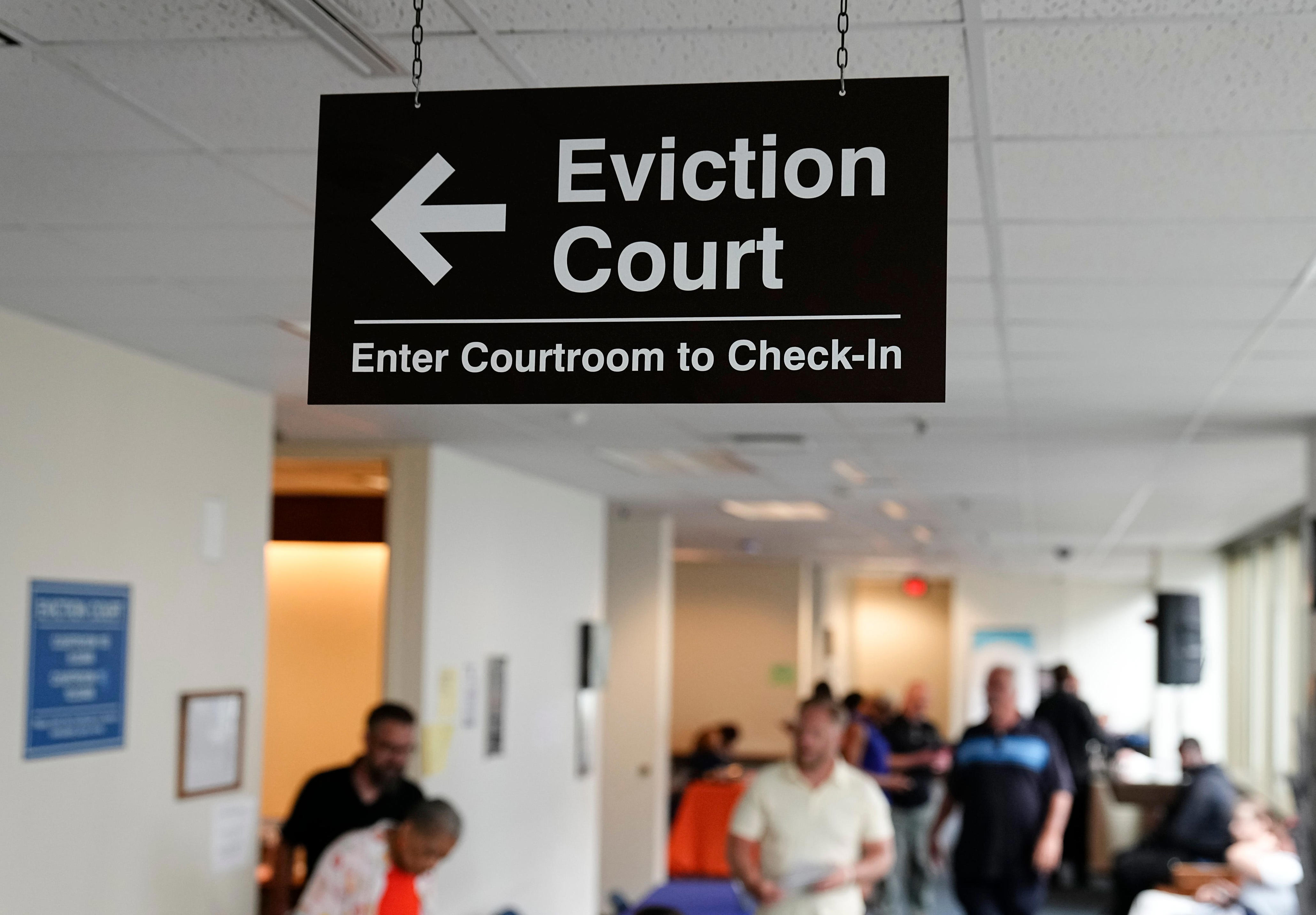
This new program, known as the Columbus Resilient Housing Initiative, is expected to serve approximately 600 households over the next six months. Compared to the large-scale federal programs that had been in place since 2021, this initiative is significantly smaller. During that time, the federal government allocated $129 million in Emergency Rental Assistance to Columbus and $89 million to Franklin County. These funds helped tens of thousands of households avoid eviction, yet evictions still reached a 20-year high in Franklin County in 2023.
Columbus City Council President Shannon Hardin, who sponsored the legislation, emphasized the importance of using available resources effectively. “We're not throwing our hands up and saying we can't do anything,” she stated. “We're going to bring together our finite resources ... and work as hard as we can to make sure we keep as many folks in their homes as possible.”
Moving forward, the focus will shift from direct rental assistance to more comprehensive services. The nonprofits involved in the initiative will need to be highly selective about who receives the limited funds, prioritizing those at the highest risk of homelessness.
According to data from the Eviction Lab at Princeton University, Franklin County landlords have filed more than 17,000 evictions so far this year. Hardin noted that Columbus is on track to evict 25,000 households in 2025. “That's the equivalent of the entire population of Dublin, Ohio,” she said. “That should terrify all of us and it should drive all of us to a table to try to figure out how we can be more creative with very, very finite resources.”
Mardi Ciriaco, vice president of community services at Gladden Community House, one of the nonprofit grant recipients, described the era of federal Emergency Rental Assistance (ERA) funds as unique. “We survived before ERA. There's some other programs and assistance that are out there, but they're just not as robust as ERA was,” she said.
She also highlighted the current challenges, noting that rising costs for housing and food have created a perfect storm for many families. Ciriaco expressed gratitude for the city council’s investment in homeless prevention, recognizing the importance of proactive measures.
Hardin emphasized that this program is both the right thing to do and fiscally responsible. A city-funded study found that for every $1 spent on keeping someone in their home, the city saves $4 from not having to provide services like shelters.
Looking ahead, Hardin plans to advocate for rental assistance to be included in future city budgets. She believes that maintaining affordable housing is essential for the well-being of the community.
Key Nonprofits Involved in the Initiative
The seven nonprofits selected to administer the Resilient Housing Initiative funds are:
- Columbus Literacy Council
- Broad Street Presbyterian Church of Columbus
- Gladden Community House
- The Homeless Families Foundation
- Jewish Family Services
- St. Stephen Community Services
- YMCA of Central Ohio
These organizations play a critical role in ensuring that the limited resources are used effectively to support those in need. Their efforts will be vital in helping families stay in their homes and avoid the devastating impact of eviction.

Posting Komentar untuk "Columbus Fights Housing Crisis with Smaller Pandemic Program"
Posting Komentar