
Florida Homeowners Clash Over Shared Tree Removal: Can HOA Resolve the Dispute?
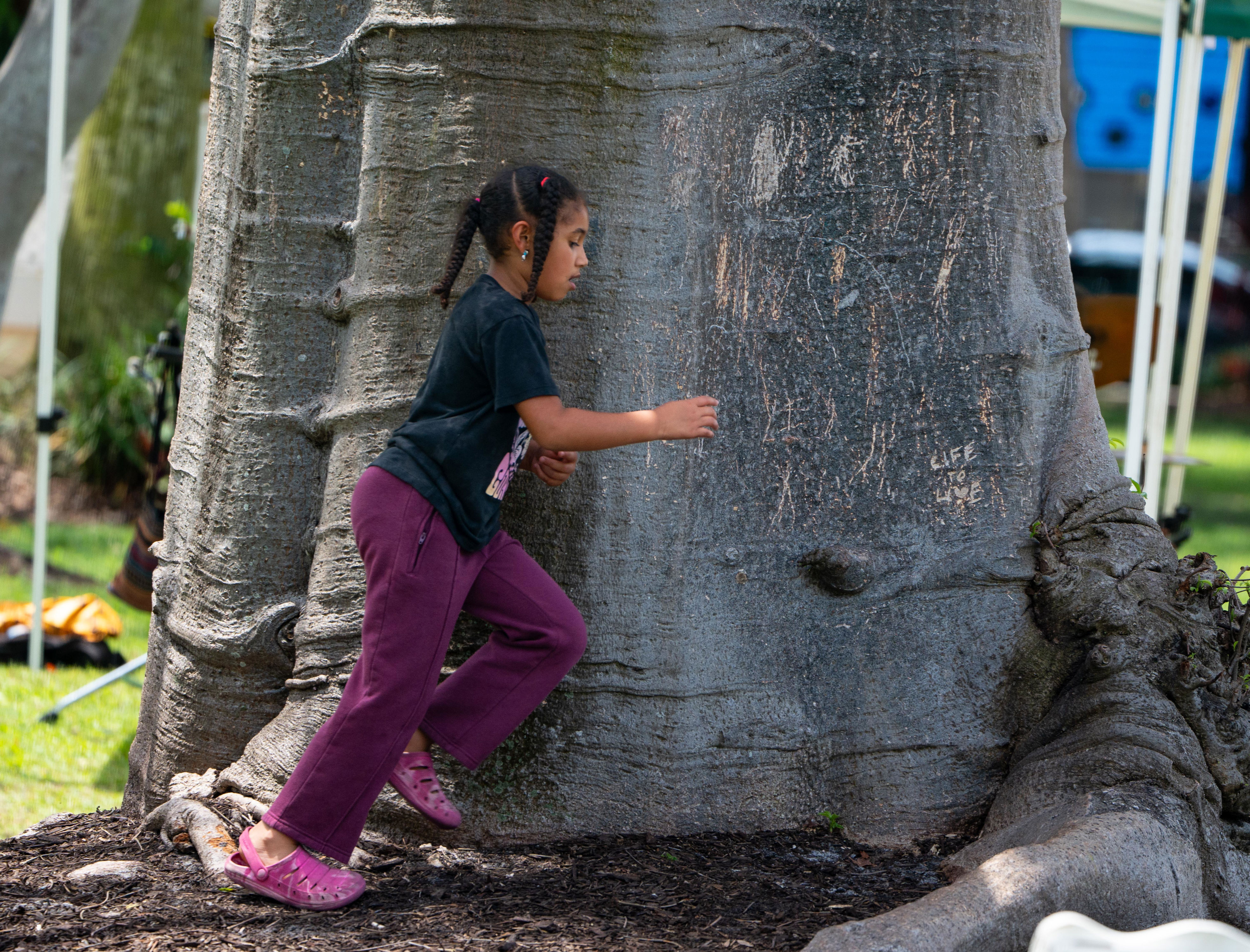
Understanding the Legal Implications of a Shared Boundary Tree
When homeowners live in a community governed by a homeowners’ association (HOA), they often face complex legal situations involving shared property and responsibilities. One such situation involves a tree that straddles two properties, commonly referred to as a boundary tree. In this case, both property owners are joint owners of the tree and share the responsibility of its maintenance. This means neither owner can unilaterally remove the tree without the other’s consent.
In Florida, a homeowner is generally not responsible for a tree that encroaches onto a neighboring property. However, when a tree is located on the boundary between two properties, the situation changes. The law considers such trees as jointly owned, which means any decision regarding their removal must involve both parties. If one owner removes the tree without the other's approval, they could be held liable for damages, especially if the removal causes a loss in value for the other property.
The process of removing a boundary tree also requires approval from the HOA's architectural control committee and local city authorities, who may have strict regulations about tree removal and replacement. Even if all these approvals are obtained, it does not automatically grant the right to remove the tree without the consent of the other owner. Therefore, the two neighbors must work together to resolve the issue.
If the owner who wants the tree removed is considering taking matters into their own hands, it's important to note that damaging the tree could lead to legal consequences. Instead, a more constructive approach would be to negotiate with the other owner. One possible solution is to reach an agreement where the new owner covers the cost of removing the tree and planting a similar one on the existing owner’s property. Alternatively, if relocation is feasible, the tree could be moved entirely to the existing owner’s land.
Navigating HOA Meeting Procedures
Another common challenge faced by HOA members involves the conduct of board meetings. In some cases, HOA boards may announce that regular monthly meetings will be paused but hold special meetings without proper notice or transparency. This can create confusion among homeowners, especially when these meetings are only advertised on a bulletin board and receive minimal attendance.
In one instance, an HOA board announced that meetings would be suspended for several months but still held special meetings during that time. After a meeting was adjourned, the president continued discussing business with the board and homeowners present. This raised concerns about whether the meeting was conducted properly and if homeowners were given the opportunity to participate.
According to legal guidelines, a meeting of the HOA board occurs whenever a quorum of the board gathers to discuss association business. This definition is not limited to voting sessions. Simply discussing business, even after a meeting has been officially adjourned, constitutes continuing the meeting. As a result, the board’s actions in this case may not have followed proper procedures.
There is also a question of why the board chose to close the meeting before continuing discussions. If the intention was to avoid allowing homeowners to comment on certain issues, this could be seen as an attempt to limit transparency. A more appropriate approach would have been to keep the meeting open and add agenda items for further discussion. This would ensure that all homeowners have the opportunity to engage with the board and stay informed about association matters.
Conclusion
Both scenarios highlight the importance of understanding the legal and procedural aspects of living in an HOA-governed community. Whether dealing with a shared tree or navigating board meeting protocols, homeowners should be aware of their rights and responsibilities. Communication, negotiation, and adherence to established rules are key to resolving disputes and maintaining a harmonious community environment.

Posting Komentar untuk "Florida Homeowners Clash Over Shared Tree Removal: Can HOA Resolve the Dispute?"
Posting Komentar