
Giuliani: 'Refinery Closure Can Move Forward in Benicia'
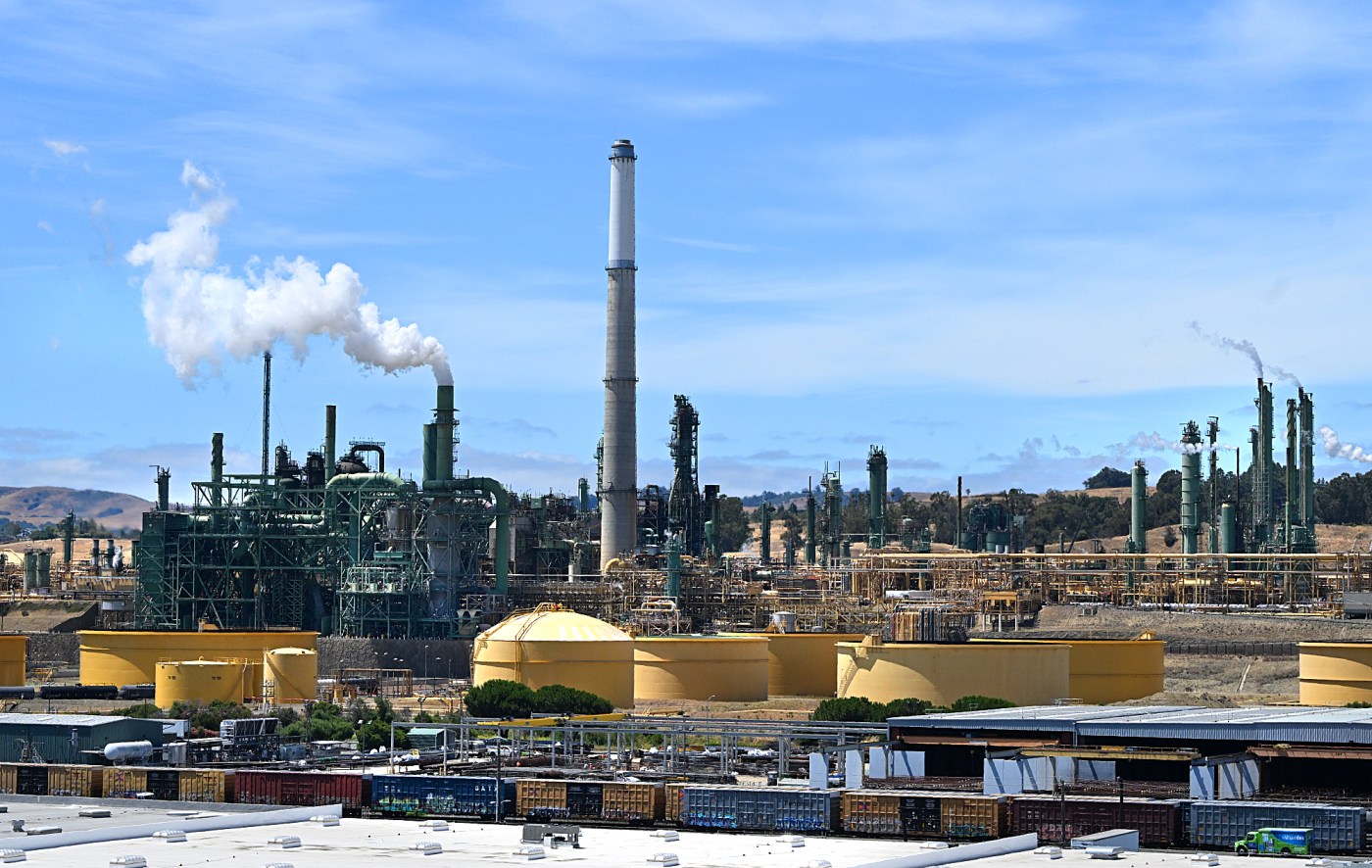
The Closure of Benicia’s Valero Refinery Nears Finalization
The long-standing uncertainty surrounding the future of the Valero Refinery in Benicia, California, may soon come to an end. City Manager Mario Giuliani recently confirmed that the refinery is set to close by April or possibly even earlier, marking a significant shift for the community and the state. Despite efforts from local and state officials to find a solution, it appears that the closure is now inevitable.
Valero Energy Corporation, through its subsidiary Valero Refining Company-California, submitted notice to the California Energy Commission last April, indicating their intent to idle, restructure, or cease refining operations at the Benicia facility by the end of next year. Since then, state officials have been exploring alternative options to keep the refinery operational. However, Giuliani stated that no viable solution has emerged, leading to the current decision.
“I’m disappointed that a solution wasn’t made,” Giuliani said. “This is not only going to impact Benicia, but California as well. It’s frustrating because the city was finally in a position to turn the corner.”
The closure will have far-reaching economic consequences. The city currently has $60 million in its general fund budget, which will be reduced by $7.7 million by July. Despite the challenges, Giuliani remains optimistic about the future of Benicia.
“It’s a problem we’re going to have to solve, and it’s certainly difficult,” he said. “But while a difficult challenge, Benicia has been given the pen to be the author of the next chapters of the city’s history.”
Legislative Efforts to Address the Impact
In response to the potential closure, Assemblymember Lori D. Wilson introduced Senate Bill 237, authored by state Sen. Tim Grayson. This bill passed the California State Assembly with broad bipartisan support in a 63–4 vote and was approved by the Senate in a 28–0 vote. It now awaits Governor Gavin Newsom’s signature.
SB 237 aims to address the broader implications of refinery closures, including declining gasoline demand and increased reliance on imports. The legislation seeks to protect families, workers, and communities affected by such changes. Wilson emphasized the importance of managing this transition responsibly.
“The closure of the Valero refinery means the loss of thousands of good-paying jobs and hundreds of millions of dollars in local economic activity,” she said in a news release.
The bill includes provisions to strengthen safety standards for offshore oil and gas pipelines, evaluate consumer protections at the pump, and prohibit drilling permits in health protection zones. It also directs the California Energy Commission to explore temporary suspensions of the state’s summer gasoline blend if it would help prevent price increases. Additionally, the commission is tasked with studying the potential for a western regional gasoline blend to stabilize markets and submitting recommendations for a safe, equitable, and affordable transition away from fossil fuels.
Valero’s History and Controversies
Valero Energy Corporation has operated the Benicia Refinery since 2000, though the facility originally belonged to Humble Oil, later known as Exxon. Construction began in 1968 and was completed in 1969. The refinery has a throughput capacity of 170,000 barrels per day and plays a significant role in California’s energy infrastructure.
Despite its economic contributions, Valero has faced criticism over environmental concerns. The refinery became the site of several air pollution incidents, including a hydrogen vent that leaked 2.7 tons of toxic substances into the air for 15 years. In 2024, the Bay Area Air Quality Management District imposed an historic $84 million fine on Valero for these violations.
Critics argue that Valero management knew about the leaks for years but failed to report them or take corrective action. This incident led to the largest penalty ever assessed by the district. In 2023, Valero was among four refineries that failed to meet requirements under BAAQMD Rule 12-15, which mandates monitoring and reporting of fugitive gasses from operating equipment.
Community Response and Safety Measures
In April, the Benicia City Council unanimously passed an Industrial Safety Ordinance aimed at protecting residents from potential fires, explosions, and toxic emissions linked to the refinery. This marked a significant step for the city, which was previously the only Bay Area refinery town without such an ordinance.
Giuliani clarified that the passage of the ordinance was unrelated to the refinery’s potential closure, noting that discussions about a sale had been ongoing for some time. He also pointed out that Valero’s management had raised trust issues with the city for years, making the closure less surprising, although the possibility of the refinery leaving entirely came as a shock.
As the closure date approaches, the community faces a challenging but pivotal moment. While the loss of the refinery will bring significant economic and social changes, it also presents an opportunity for Benicia to redefine its future and build a more sustainable and resilient community.

Posting Komentar untuk "Giuliani: 'Refinery Closure Can Move Forward in Benicia'"
Posting Komentar