
Nebraska Farmers Face Tough Harvest Amid Tariffs and Falling Prices
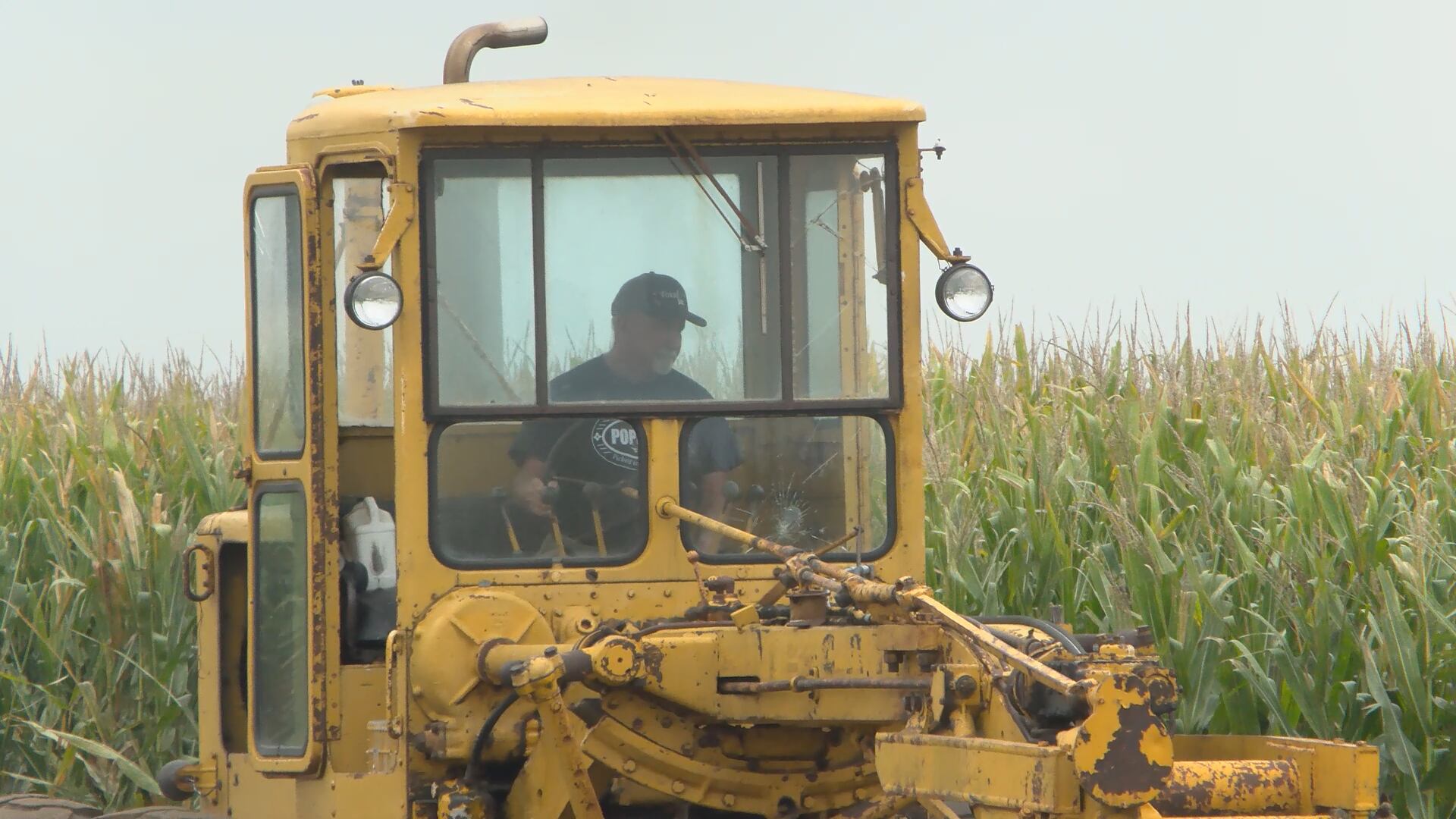
Nebraska Farmers Face Financial Challenges Amid Trade Disruptions
Mike Dobesh, a farmer in Grand Island, Nebraska, manages 1,100 acres of land and is preparing for the upcoming harvest. Despite experiencing strong crop yields, he and many other farmers across the state are concerned about the financial outlook for the rest of the year. The situation is complicated by a combination of low commodity prices and rising input costs.
“Commodity prices are in the basement, and all the inputs are way sky high,” Dobesh explained. This sentiment is shared by many in the agricultural sector, who attribute much of the current crisis to trade policies and tariffs.
The American Soybean Association reported that in 2024, China was a significant buyer of U.S. soybeans, purchasing over $12 billion worth. However, in 2025, China has not placed any orders for U.S. soybeans since May, shifting its focus to Brazil instead. This shift has had a ripple effect on the market, contributing to the decline in corn prices as well.
Record-high yields have further driven down prices, and without new export markets, farmers feel increasingly squeezed. “We didn’t ask for these tariffs,” Dobesh said. “I don’t disagree with them. Trump’s not tariffing anybody that isn’t tariffing us. We need fair trade, free trade. But I’m not sure he thought it through or he thought it was going to be better by now.”
At the Husker Harvest Days event, the Nebraska Farm Bureau discussed the impact of tariffs during a roundtable session. President Mark McHargue highlighted the administration's push for domestic use of U.S. commodities, citing initiatives like E15. “This administration would love for us to use all of our products up domestically,” McHargue said. “But at the end of the day, we have products that the rest of the world needs, and we are working on trade agreements. There’s been a lot announced.”
Farm Bureau economist Abygail Streff warned that Nebraska could face more severe consequences from trade disruptions than other states. “With agriculture being our main economic driver, anything that hurts those markets would obviously affect it,” she said.
Dobesh is considering storing his crop if prices remain low, but this strategy comes with its own challenges. “I can store quite a bit of it, and I’ve already talked to another gentleman about renting a big bin if need be,” he said. “But that’s not necessarily the answer either because if I store all my crop, I think my banker’s gonna want the operating note paid back at some point. Interest does work 24 hours a day.”
He is also worried about the long-term implications of a bad year on securing operating loans in the future. “If it doesn’t cash flow now and you’re having trouble paying your operating loan back, how are you gonna get funded for next year when there’s nothing rosy in sight?” Dobesh asked.
Dobesh believes that politicians need to do more to support farmers. With the midterm elections approaching, he feels that the actions of lawmakers could influence rural voters. “(Sen. Pete) Ricketts is gonna be running for reelection,” Dobesh said. “If things don’t turn around, I could see the midterms being a bloodbath. I’m as conservative as day is long; I’m pro-life, pro-gun. If they’re not willing to go to bat for us, it could be different.”

Posting Komentar untuk "Nebraska Farmers Face Tough Harvest Amid Tariffs and Falling Prices"
Posting Komentar