
Plaid Pays JPMorgan for Customer Data in Industry Battle
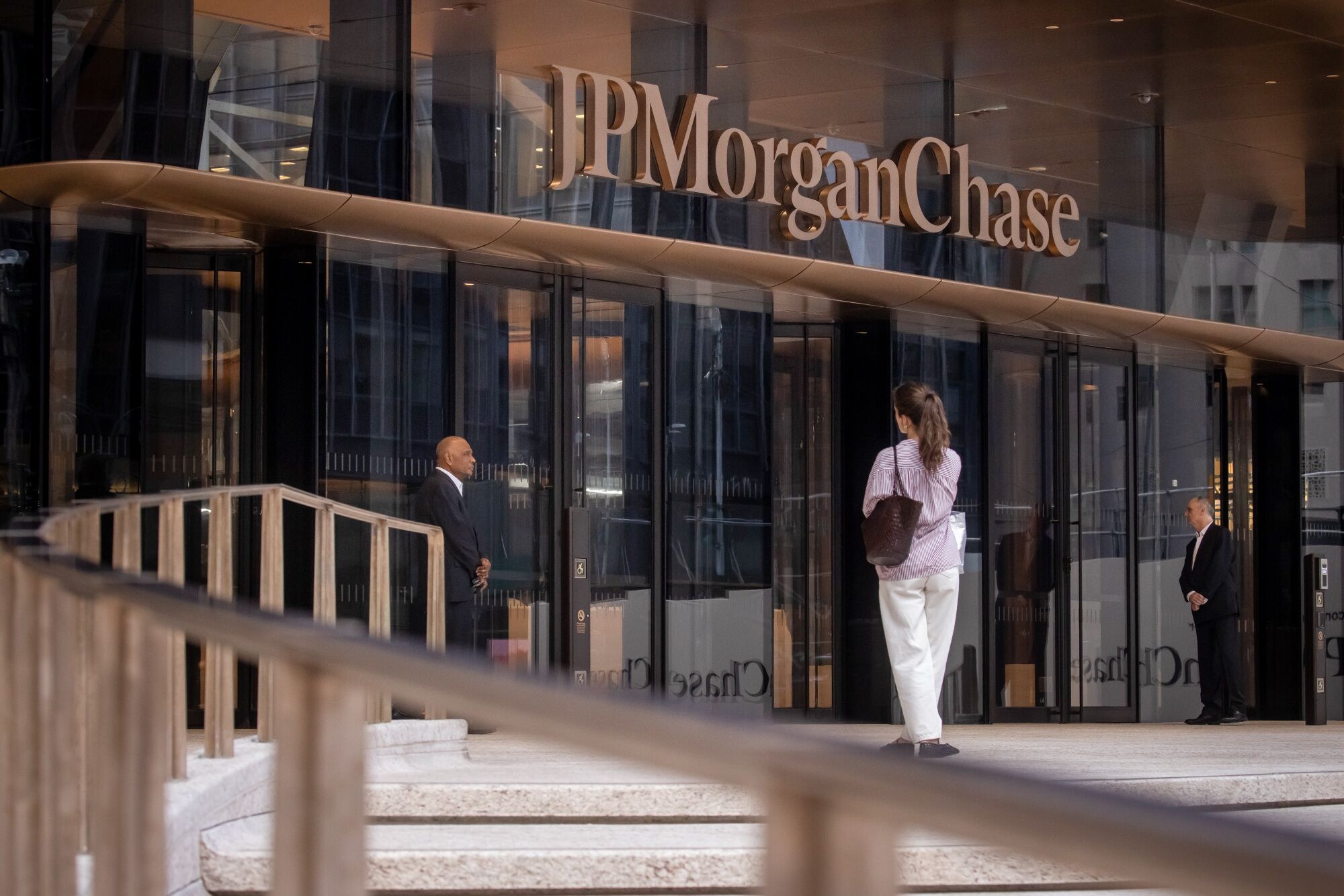
The Battle Over Financial Data Access
Plaid Inc. has entered into an agreement with JPMorgan Chase & Co., marking a significant development in the ongoing struggle between financial technology companies and traditional banks over control of consumer data. This deal represents the latest move in a broader conflict over who should have access to sensitive financial information and under what terms.
According to sources familiar with the matter, the two firms have updated their data-sharing agreement by introducing a structured pricing model. However, neither company has revealed the exact amount of the fees involved. In addition to establishing this fee structure, the new agreement includes mutual commitments from both parties to ensure that consumers can access their data in a safe, secure, quick, and consistent manner. This was highlighted in a joint statement shared with DISCOVER TRENDS.
Prior to this update, Plaid and JPMorgan had an existing data-sharing agreement that did not include any fees. Plaid emphasized that the new arrangement would not impact current customer deals or pricing. “This extended agreement ensures ongoing access for the millions of Chase customers who rely on Plaid every day to connect with the products and services they trust,” said Eric Sager, Plaid’s Chief Operating Officer, in the statement.
For years, banks have raised concerns about potential security risks, legal liabilities, and other costs associated with allowing fintech platforms to access customer account data. These concerns intensified in July when JPMorgan began notifying aggregators like Plaid that it would charge for each data request. This sparked fears about rising costs, especially for smaller fintech companies.
In response, the U.S. Consumer Financial Protection Bureau (CFPB) revisited its rules governing consumer data sharing. Originally, these rules prohibited the type of fees that Plaid and JPMorgan are now implementing. The agency is currently accepting public input on how to reshape these regulations.
Banks have also taken legal action to challenge the CFPB’s open banking rule, which the agency initially described as “unlawful” and sought to have vacated by a federal judge in Kentucky. However, after complaints from crypto providers and fintech investors close to the White House, the CFPB reversed its position and reopened the rule for public comment.
“We’re excited that this partnership will continue and the open banking ecosystem will continue to thrive,” said Melissa Feldsher, JPMorgan’s head of consumer payments, in the statement.
The Financial Technology Association, a trade group that includes Plaid, is defending the rule in court and supports free data access. “This agreement establishes continuity,” said Freya Petersen, Plaid’s head of corporate affairs, in a statement. “We still believe consumers should have an unfettered right to access and control their own financial information and will continue to advocate for that.”
JPMorgan plays a central role in the data-sharing debate due to its vast consumer base, while Plaid is one of the most well-known data aggregators, acting as the infrastructure that connects banks with fintech companies.
Historically, JPMorgan has criticized Plaid and similar platforms for accessing customer data for free and then profiting by charging others to use it. Critics argue that such fees could stifle innovation and potentially exclude emerging competitors that pose a threat to the bank’s market share.
Legal Implications
The recent deal between Plaid and JPMorgan also prevented a planned lawsuit by fintech companies against the bank over data-access fees. According to sources familiar with the matter, the Financial Data and Technology Association of North America was set to file the lawsuit on behalf of its members but is now reevaluating its options.
In July, JPMorgan reached another agreement with Coinbase Global Inc., enabling direct linking of customers’ bank accounts to their cryptocurrency wallets. This further highlights the growing integration between traditional banking and digital finance.
As the financial landscape continues to evolve, the balance between innovation, security, and consumer rights remains a critical issue for all stakeholders involved.

Posting Komentar untuk "Plaid Pays JPMorgan for Customer Data in Industry Battle"
Posting Komentar