
Shoe Prices Soar as Tariffs Dampen Demand
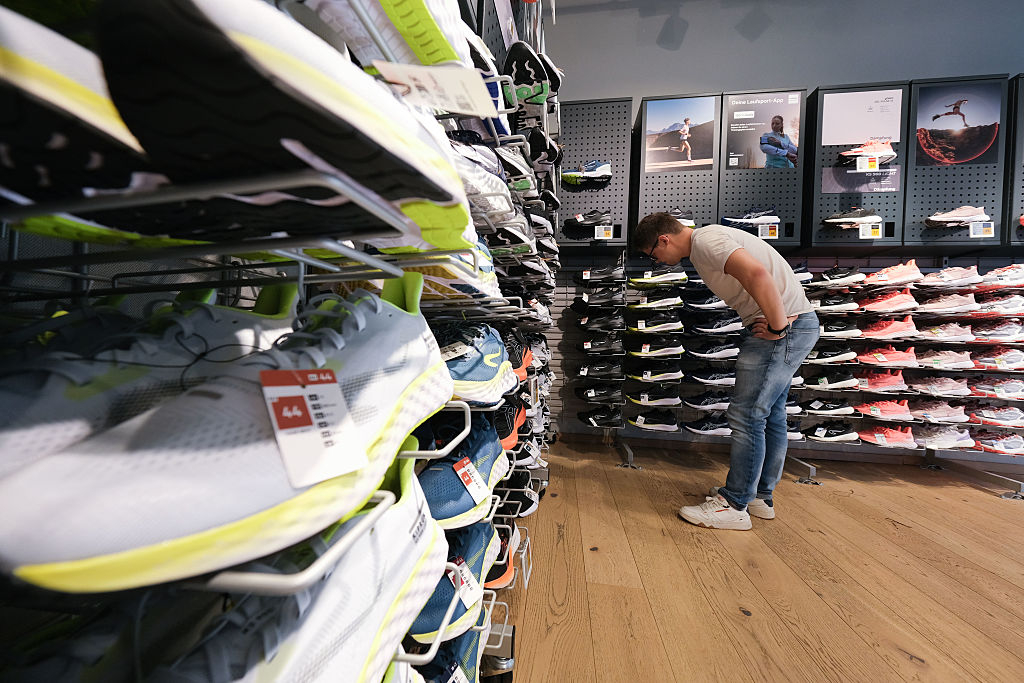
The Impact of Tariffs on the Footwear Industry
The footwear industry is facing a challenging period as companies try to manage rising costs due to increasing tariffs. According to Matt Priest, president and CEO of the Footwear Distributors and Retailers Association (FDRA), the current situation is unprecedented, with prices expected to rise across the board. This trend is not only affecting the cost of shoes but also impacting consumer demand.
Priest mentioned that companies have been employing various strategies to delay price hikes for consumers. These include front-loading shipments to avoid the impact of upcoming tariff increases. However, while many of these shipments have already been sold, particularly in the women's fashion shoe category, there are still items left in the men's category, which has a slower turnover rate. As a result, any new shipments arriving now will face higher costs due to the existing tariffs.
Over the past two months, the Consumer Price Index (CPI) has shown an increase in footwear prices. If this trend continues, it is likely that demand will decrease as consumers become more cautious about their spending. Priest warned that if the unemployment rate rises, the labor market could soften, further reducing consumer spending power. This would compound the issue as other essential items like groceries also see price increases.
A critical factor in this situation is the ability of the footwear industry to source products. Approximately 99% of shoes sold in the U.S. are imported from overseas. In a typical year, this amounts to nearly 2.5 billion pairs of shoes, or seven pairs per person in the country. The tariff burden is already significant, costing around $3 billion annually, with projections indicating it could reach $5 billion by the end of the year.
Tariff collections have surged, doubling in July to $635 million, marking a 108% increase. Priest expressed concern about how consumers will respond to these higher prices as tariffed products move through the retail ecosystem. He emphasized the importance of understanding consumer behavior in this evolving landscape.
Pat Mooney, CEO of Footwear Unlimited, described the tariff rates as "brutal," noting that the average duty rate has increased from 10% to around 25-30%. The unpredictable nature of these rates makes it difficult for businesses to plan effectively. Currently, the top three countries of origin for footwear are China, India, and Mexico, where no trade deals are in place.
Mooney highlighted the challenges of navigating this environment, stating that it's hard to determine profit margins. He noted that retailers are not expecting sales to increase next season, with most planning for a decline in units sold. Brands are passing on about 10% of the cost increases to consumers, with companies and factories each absorbing 5%, and possibly the retailer taking on another 5%.
Looking ahead, uncertainty remains regarding the U.S. Supreme Court's potential ruling on President Trump's legal authority to enforce the newly imposed tariffs. There is also uncertainty about whether tariff refunds might be issued. According to Priest, if refunds were to occur, there could be three possible outcomes: companies could use the capital to maintain or increase staff, lower prices to benefit consumers, or invest in better quality products without needing to cut costs.
As the industry navigates these challenges, the focus remains on finding sustainable solutions that balance cost management with maintaining product quality and consumer satisfaction. The future of the footwear market hinges on how well companies can adapt to these changing conditions.

Posting Komentar untuk "Shoe Prices Soar as Tariffs Dampen Demand"
Posting Komentar