
AI Aims to Assist in Raising Your Baby, But Scientists Remain Skeptical
The Growing Role of Technology in Baby Care
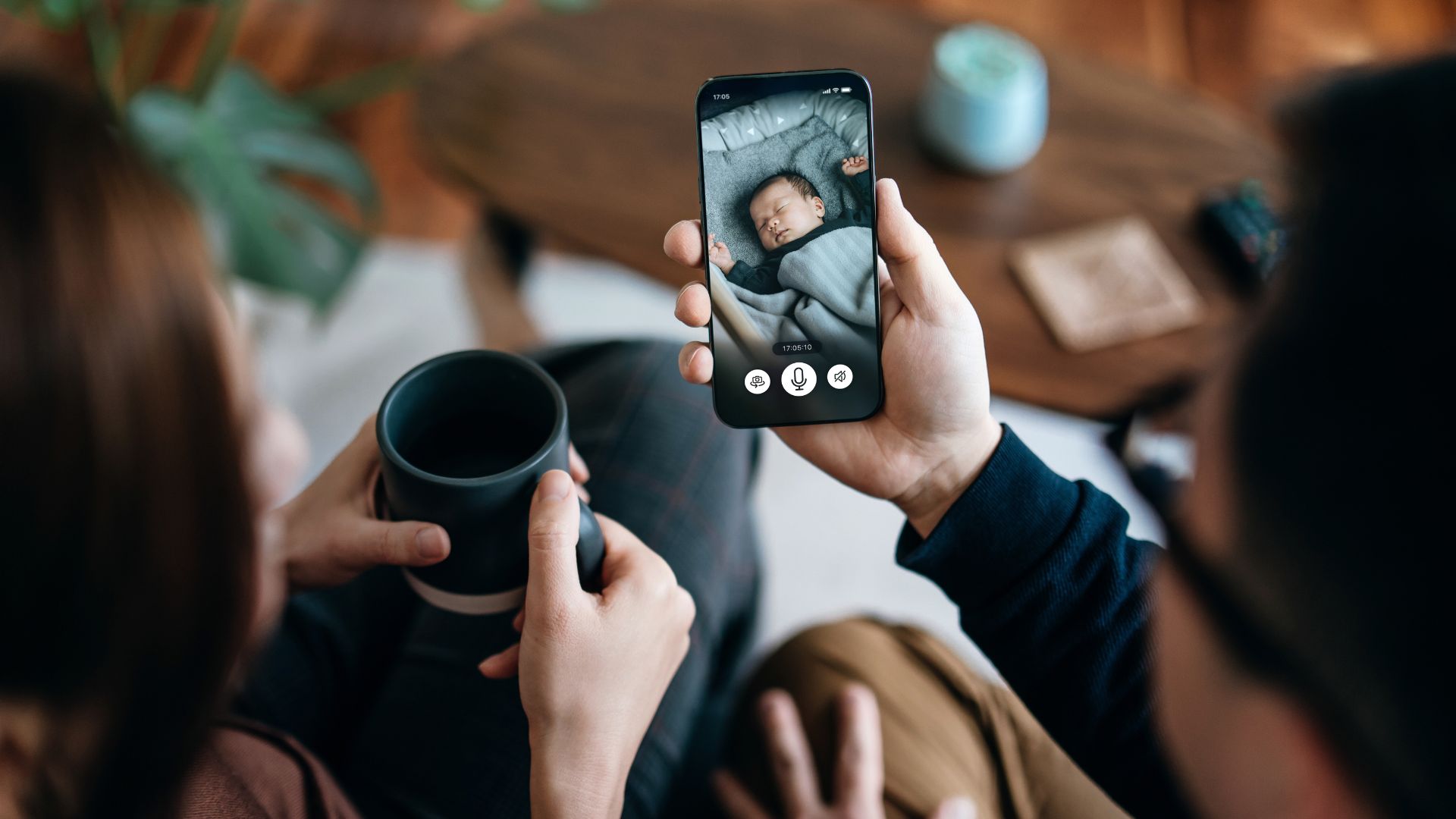
Every minute, approximately 250 babies are born around the world. Many of these newborns return home with first-time parents who are navigating the challenges of early parenthood. From managing sleep schedules and feeding routines to ensuring the safety of their small, unpredictable human, new parents often turn to technology for assistance. The baby gear market has expanded significantly, offering products such as heaters, sterilizers, monitors, heart-rate trackers, and smart toys. However, with so many options available, choosing the right devices can be overwhelming.
Common Issues with Baby Tech Products
Parents frequently express frustrations with the technology they purchase. Some devices lack English translations, making them difficult to use. Others offer poor video quality despite high prices. Warranties may expire just when a device fails, and battery-powered tools sometimes require inconvenient tools like screwdrivers during late-night feedings. Additionally, some products hide essential features behind subscription services, and weak design or quality control can let down even the most promising ideas.
To mitigate these issues, parents emphasize checking customer support, warranty periods, and what failures are covered. Safety certifications are crucial, as is understanding how a device is powered. Many baby products cannot be used while charging, which means having a backup plan is essential.
Design also plays a significant role in the usability of baby tech. Devices should be easy to assemble and clean, especially if grandparents will be using them. Replaceable parts and compatibility with additional apps, subscriptions, or upgrades are important considerations. Above all, the device must meet the specific needs of the child, as what works for one baby may not work for another.
What Science Says About Baby Tech
While not every baby product is supported by robust scientific research, several have been studied. A 2017 study on the Owlet Smart Sock Monitor examined usage in over 47,000 newborns, with 94% of parents reporting improved sleep quality. More recently, researchers developed a voice-activated smart crib aimed at parents with limited upper-limb mobility, integrating real-time temperature and weight monitoring.
In 2023, a study of 257 Japanese mothers found that smart devices could reduce parenting anxiety. A 2024 study reported that AI-assisted tools increased parental engagement but also highlighted the need for user-friendly and culturally sensitive designs. Despite these studies, many products reach the market before researchers can evaluate them, making consultation with pediatricians essential.
The Importance of Human Connection
Dr. Helen Ball, professor of anthropology and director of the Durham Infant and Sleep Centre, reminds parents that for the first few months, infants rely primarily on physical contact and proximity. “I would encourage parents to keep their baby close and monitor their baby directly using their own senses,” she said. “Comforting their baby physically is more important than relying on technological monitoring or soothing devices.”
After six months, when it becomes safer to leave babies unattended in a room, some remote monitoring devices may be helpful. However, parents should understand how certain practices can backfire. For example, darkened daytime nap rooms can cause circadian disruption. Allowing babies to nap in daylight and normal household noise helps maintain healthy sleep pressure toward nighttime.
When Technology Helps and When It Can Be a Problem
Parents often complain about devices that don’t warm milk fast enough, require awkward battery changes, or use vibrating surfaces that babies find irritating. Dr. Ball agrees that vibrating sleep devices are not ideal and warns against getting babies accustomed to them.
The American Academy of Pediatrics recommends that infants sleep on a firm, flat surface that meets safety standards. Rocking devices, swings, car seats, and bouncers can be used briefly while the baby is awake and supervised, but should never replace a proper sleep environment. Heart-rate and oxygen-saturation monitors can be reassuring, but they can also increase anxiety and pull parents’ attention toward screens instead of their babies.
AI in Baby Care
Artificial intelligence is now entering baby care, offering new ways to monitor safety and development. Professor Sarah Ostadabbas of Northeastern University explains that many technologies overlook ease of use, affordability, and inclusivity. Her team developed AiWover, an AI-driven, non-contact monitoring platform designed to address these gaps. Unlike traditional devices, AiWover integrates with any camera to track movement, detect hazards, and monitor developmental milestones, whether at home or in daycare.
According to Ostadabbas, AI should not replace human caregiving but enhance it—providing an additional layer of support when parents are present and when they are not.
The Most Important Tool Is Free
Dr. Ball notes that the baby-product market is lucrative, and many devices create a “perceived need” that disappears upon closer thought. “I would caution against purchasing lots of technological devices that will clutter up your home and end up in a landfill a few months later. The key thing is to remember that all your baby wants and needs during the first year of life is you.”
Technology will continue to shape parenting, from sleep tracking to safety monitoring. But even amid rapid innovation, one truth remains unchanged: devices may offer reassurance, but they cannot replace parental instinct, contact, and attention, and those remain the most reliable tools of all.

Posting Komentar untuk "AI Aims to Assist in Raising Your Baby, But Scientists Remain Skeptical"
Posting Komentar