
Astronomers Capture Stunning Close-Up Photos of Exploding Stars Ejecting Material in Multiple Streams
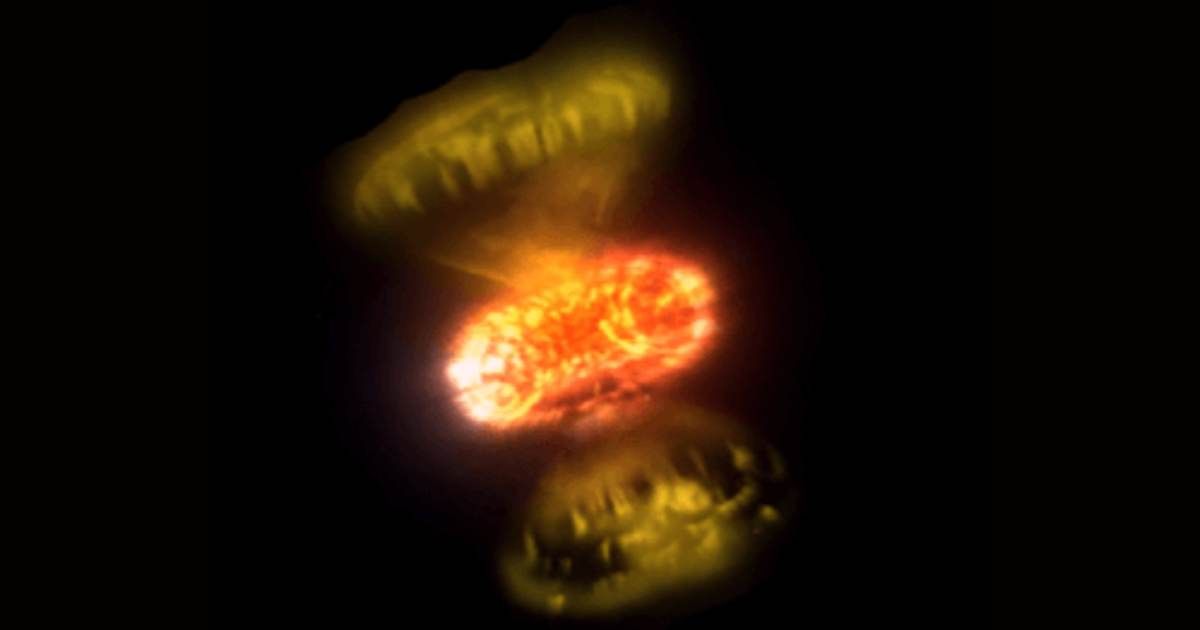
Astronomers have achieved a groundbreaking milestone by capturing the first direct, high-resolution images of two stars in the immediate aftermath of their explosive events. These stunning visuals, obtained by researchers at Georgia State University, reveal that novae are far more intricate than previously believed by scientists.
The newly captured images show not just a single burst of material but multiple streams being ejected from the stars. One unexpected finding is the significant delay before the ejection occurred. Novae occur when a white dwarf—a small, dense remnant of a star—pulls matter from a nearby companion star. This stolen material then triggers a runaway nuclear reaction, leading to an explosion.
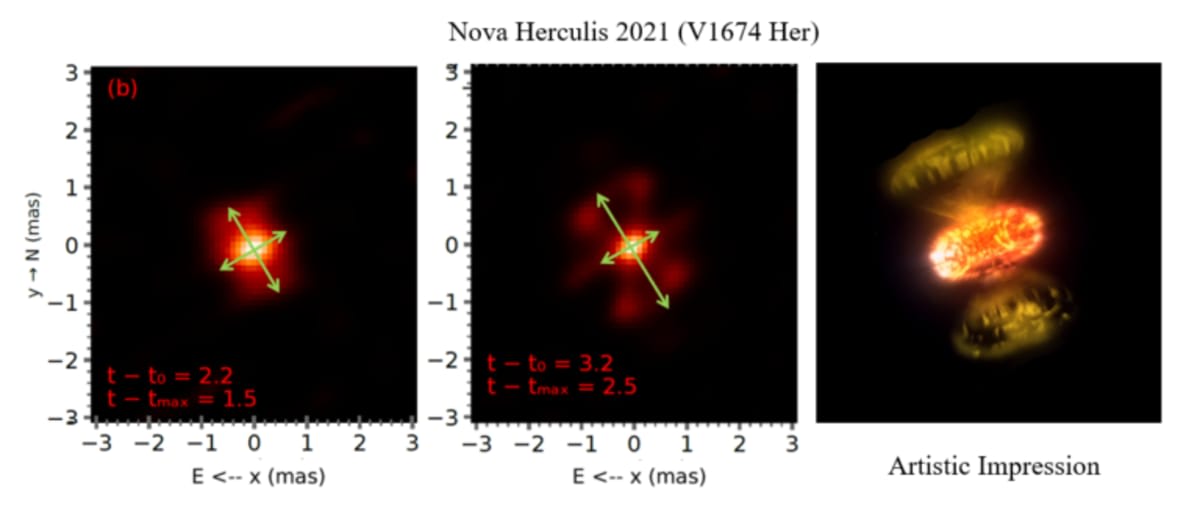
Previously, astronomers could only observe these expanding explosions as a single, fuzzy point of light. The new images, published in the journal Nature Astronomy, were made possible through a technique called interferometry, which combines the light from multiple telescopes. This method is similar to the one used to capture images of black holes, providing the necessary sharpness to study these stellar phenomena in detail. Gail Schaefer, director of the Center for High Angular Resolution Astronomy in California, noted that “the images give us a close-up view of how material is ejected away from the star during the explosion.”
The research team focused on two novae that exploded in 2021. One of them, V1674 Herculis, was among the fastest in terms of brightening and fading within days. The images immediately showed two separate, perpendicular jets of gas, confirming that the explosion involved multiple ejections. This discovery was directly linked to the powerful gamma rays observed by NASA's Fermi Gamma-ray Space Telescope. The second nova, V1405 Cassiopeiae, developed more slowly, holding onto its material for over 50 days before releasing it into space. This delayed ejection provided clear evidence of a delayed blast, which also generated new shock waves and produced gamma rays.
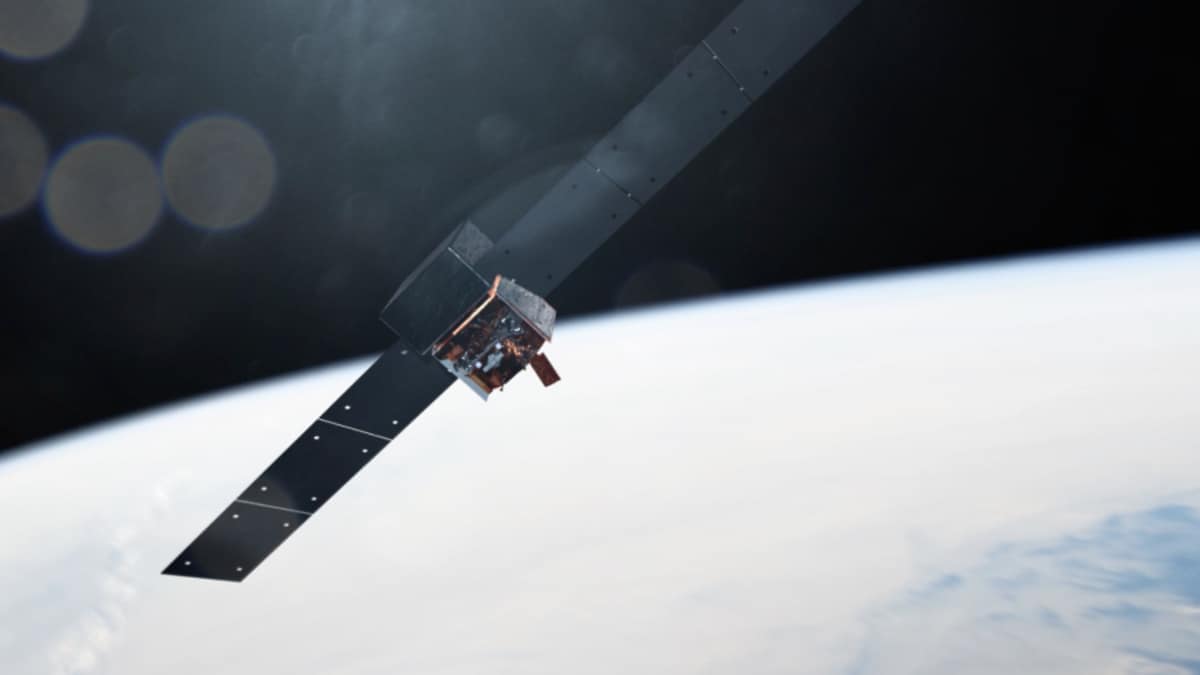
This new ability to visualize the structure of outbursts as they happen helps address a long-standing mystery: how novae generate their powerful shock waves and high-energy radiation, including gamma rays. NASA’s Fermi telescope had previously identified novae as major sources of these gamma rays within our galaxy. According to experts, these findings challenge the traditional view that novae are simple, singular events.
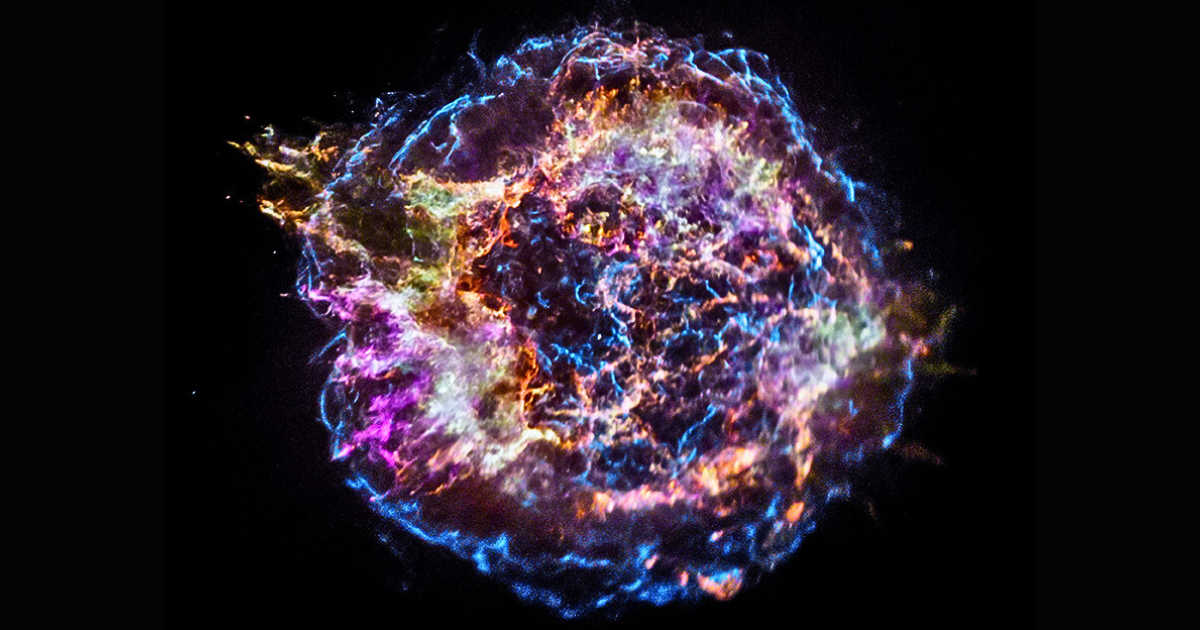
In addition to these discoveries about stellar explosions, astronomers have also managed to capture the exact shape of a massive star’s death during its earliest phase. A research team documented the first moments of a stellar collapse using the Very Large Telescope at the European Southern Observatory. For the first time, this allowed a clear view of the initial asymmetrical geometry of the explosion just one day after it was detected.
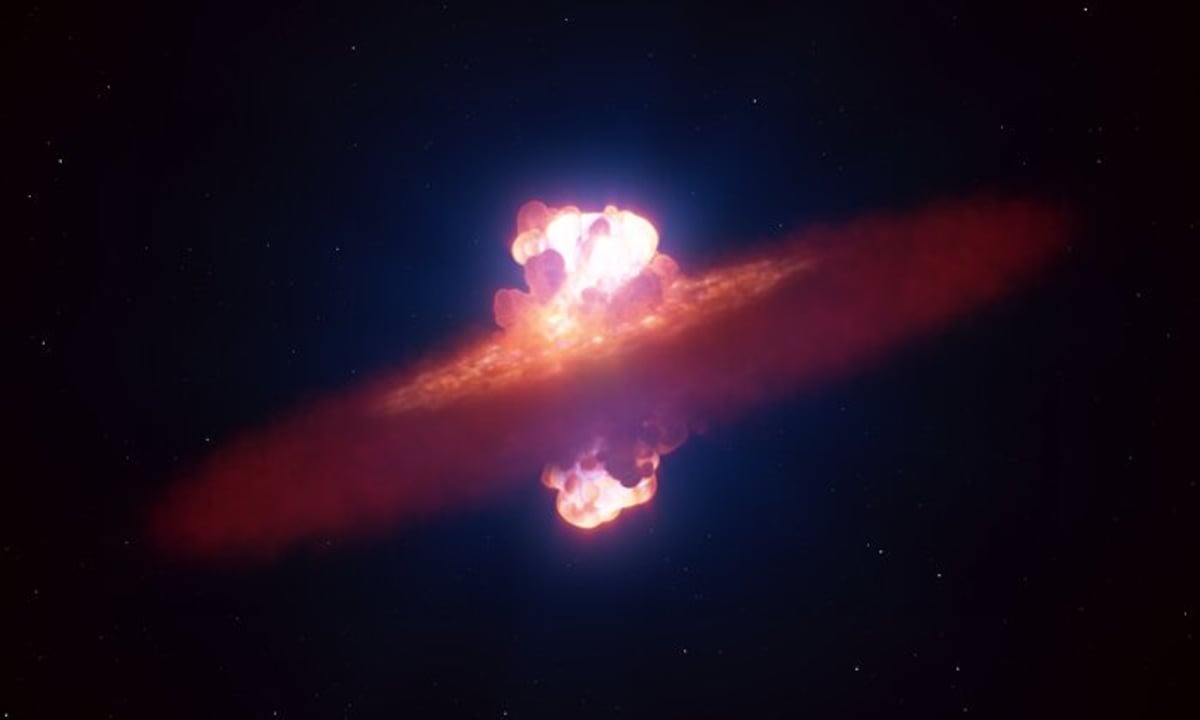
The target, now officially named SN 2024ggi, is located in a galaxy approximately 22 million light-years away. When first spotted on April 10, 2024, the team quickly acted, knowing that such events do not last long. A rapid proposal was submitted, and the VLT was able to observe the supernova just 26 hours after its discovery.

Posting Komentar untuk "Astronomers Capture Stunning Close-Up Photos of Exploding Stars Ejecting Material in Multiple Streams"
Posting Komentar