
Built Voice Control for My Home Without Alexa, Google, or Apple — and It's Better
The Limitations of Traditional Smart Assistants
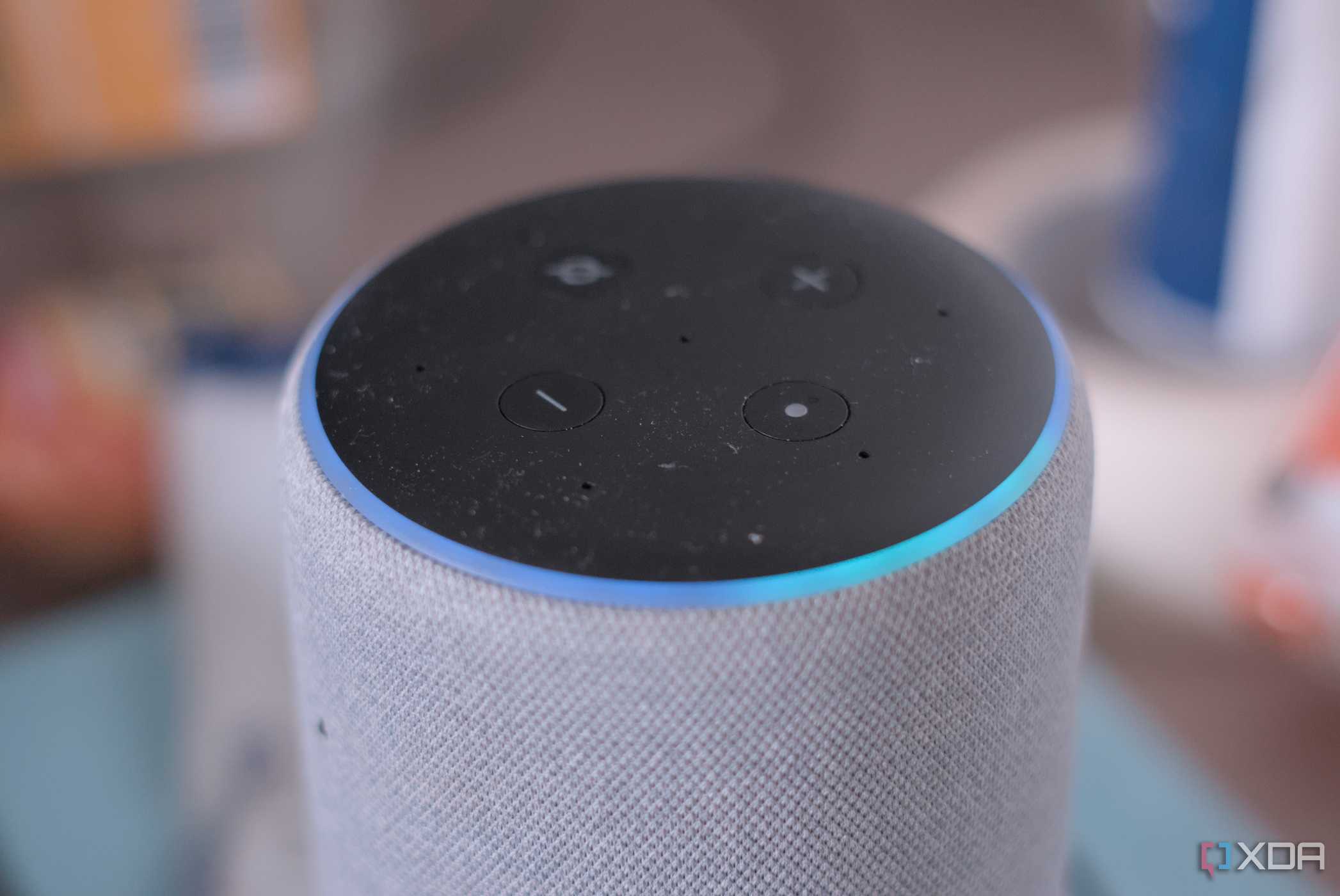
Most households today are familiar with smart assistants, which have become a staple in managing everyday tasks. These devices can control appliances, adjust lighting, and even set schedules, making life more convenient. However, my initial experience with them was far from impressive. When I first bought an Amazon Echo, I wasn't fully convinced of its usefulness. While they are undeniably smart, their effectiveness is heavily dependent on cloud-based support.
Without a stable internet connection, these assistants become nearly useless. Additionally, the fact that all our recorded data is stored on servers owned by large tech companies raises serious privacy concerns. Even when disabled, these devices can still respond to commands, indicating that their microphones are never truly "off." This lack of control over personal data made me reconsider my reliance on these proprietary systems.
Why I Migrated Away from Smart Assistants
One of the main issues I encountered with traditional smart assistants was their inability to understand different accents. My wife's slight Caribbean accent often led to confusion, resulting in unintended actions like turning on lights at full brightness. This forced us to rely on alternative methods such as using our phones or Home Assistant for better control.
Moreover, these assistants were not particularly reliable in handling vocal input. They couldn't integrate well with certain platforms, like Jellyfin, which further limited their usefulness. I found myself questioning the value of these devices beyond occasional jokes or reminders about additional services.
Another significant factor was the lack of freedom associated with these devices. They often required dedicated hardware, such as high-quality speakers, which could be costly. While alternatives like the Sonos Era 100 offer excellent sound quality, integrating them with smart assistants was not always straightforward.
The Shift to a Custom Solution
I no longer trust big tech giants with my data. I used to store everything in the cloud, but I've since migrated my memories to self-hosted solutions. Transitioning from smart assistants to a custom voice control system felt like a smaller step in this journey.
Adding Voice Control to Home Assistant
Setting up voice control for Home Assistant can be done with various configurations, depending on your hardware. Whether you're using a powerful server or a simple Raspberry Pi, getting started is relatively painless. It's essential to consider what you want to automate and the available integrations.
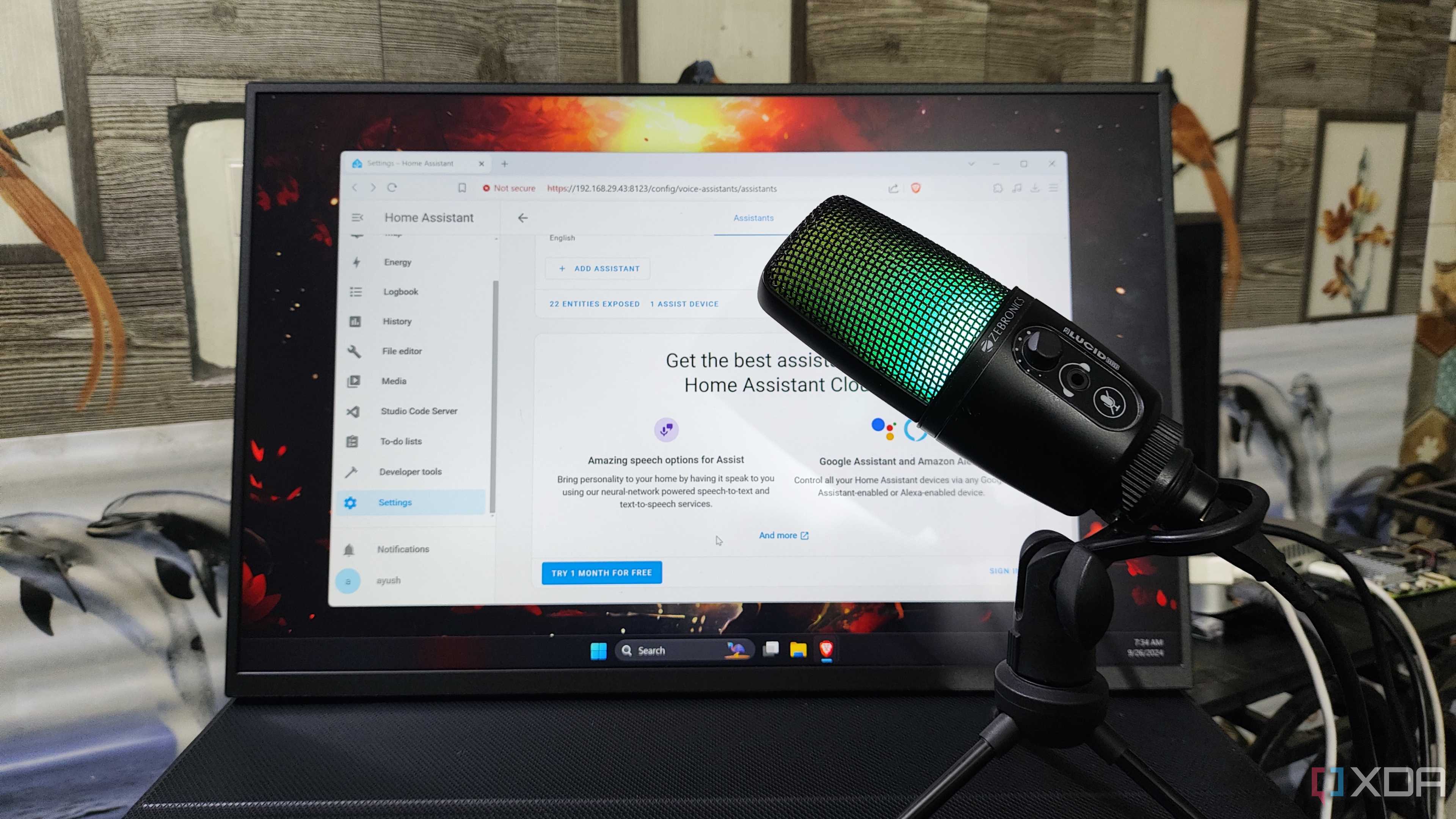
For voice controls, the official Home Assistant Voice Preview Edition is a great option. It includes high-quality microphones and advanced components for accurate voice recognition. Alternatively, a basic USB microphone can work just as well if you don’t have one on hand.
Once you enable advanced mode within Home Assistant, several tools like Whisper, Piper, openWakeWord, Duck DNS, Dnsmasq, Studio Code Server, and Assist Microphone can be installed. Using a local LLM can unlock more complex commands, allowing for greater customization.
Expanding the Capabilities of Your Smart Assistant
With the right setup, your smart assistant can go beyond simple commands. Instead of saying "Turn off all the lights," you can specify which devices should remain on, such as "Turn off all the lights except for the TV blacklight." A local LLM can interpret these nuanced requests and relay them to Home Assistant.
Running a local LLM requires choosing a model that suits your hardware capabilities. While results may vary, the flexibility of a custom solution offers more control than any proprietary system. I'm still learning how to optimize everything, but the current setup works well and serves as a solid foundation for future expansions.

Posting Komentar untuk "Built Voice Control for My Home Without Alexa, Google, or Apple — and It's Better"
Posting Komentar