
China Boosts Space Power with Key Kuaizhou-1A Launch — Maritime Nations Watch Closely
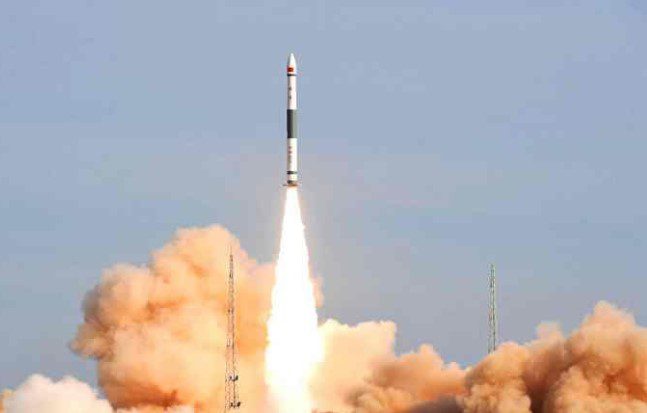
Powerful Rocket Takes Off
At 5 p.m. Beijing Time, the Kuaizhou-1A rocket lifted off the launch pad amid a cloud of smoke and fire. The rocket, designed to carry small satellites quickly into space, performed flawlessly. Within minutes, the two satellites were released and entered their intended orbit, marking another success for China’s growing space program.
The Kuaizhou-1A has become one of China’s most reliable rockets for launching smaller satellites. Its solid-fuel design allows for rapid preparation and quick deployment, making it an ideal choice for experimental missions, communications satellites, and remote-sensing systems. This latest launch is part of a series of missions that showcase China’s ability to expand its space technology infrastructure efficiently.
What the VDES Satellites Do
The two satellites launched on Friday belong to the VHF Data Exchange System (VDES), which is designed to improve communication and data exchange, especially for maritime purposes. These satellites serve as a technology demonstration, testing new systems that could make communication between ships and ground stations faster and more reliable.
VDES satellites use very-high-frequency (VHF) signals to relay data. This is especially important for ships at sea, where ground-based communication networks are limited. By using satellites, ships can send and receive messages across large distances, improving safety, navigation, and traffic management. For example, a ship in the middle of the ocean could communicate with other vessels or port authorities in real time, thanks to satellites like these.
In addition to maritime applications, the VDES system can support other data-intensive operations, such as monitoring environmental conditions or managing fleet operations. By testing and expanding this system, China is strengthening its ability to maintain a reliable communication network that spans both land and sea.
Significance of This Launch
The Kuaizhou-1A has been a workhorse for China’s space ambitions, particularly for small satellite launches. This mission marks its 30th flight, highlighting the rocket’s reliability and efficiency. China has previously used Kuaizhou-1A rockets to deploy remote-sensing satellites, scientific satellites, and other experimental technology, demonstrating the rocket’s versatility.
Successfully placing these two new VDES satellites into orbit aboard the Kuaizhou-1A further strengthens China’s capabilities in satellite communications and maritime technology. Each satellite contributes to a larger network aimed at providing improved coverage for ships and other vessels, ensuring better data exchange and navigation support even in remote parts of the world’s oceans.
The Kuaizhou-1A launch also demonstrates China’s continued progress in space technology. It reflects a growing emphasis on building satellite systems that are not only advanced but also practical for everyday applications like shipping and communication. With each successful Kuaizhou-1A mission, China is expanding its role in global space exploration and technology development.
This successful Kuaizhou-1A launch is a clear example of how rapidly China’s space program is advancing, combining powerful rockets with cutting-edge satellite technology. The mission highlights the country’s commitment to expanding its capabilities in space while providing valuable services that benefit both maritime operations and broader communication networks.

Posting Komentar untuk "China Boosts Space Power with Key Kuaizhou-1A Launch — Maritime Nations Watch Closely"
Posting Komentar