
Experts Seek Public Help After Mysterious Animal Spotted in the Wild
A mysterious creature with a gleam in its eye was recently captured on a trail camera in the public lands of southwest Florida. Its origin remains a complete mystery, sparking curiosity and intrigue among wildlife enthusiasts and experts alike.
The South Florida Wildlands Association, a nonprofit organization dedicated to preserving local ecosystems, shared the image on their Facebook page, seeking insights from the public about what this unusual animal might be. "It looks a little bit wrong and a little bit right for a number of different species," the association wrote, highlighting the challenge of identifying such an enigmatic figure.
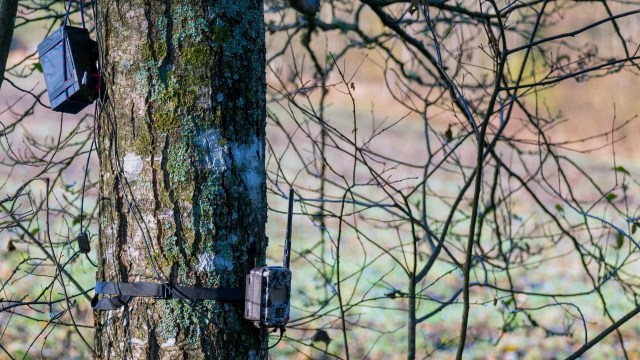
Trail cameras have become invaluable tools in wildlife research, offering glimpses into the lives of animals that would otherwise remain hidden. These devices can document creatures that are rarely seen, providing researchers with a clearer understanding of population dynamics and overall ecosystem health.
In Alaska, the government has long recognized the value of trail cameras as a research tool. The Fish and Game Department uses them to observe wildlife in areas where human presence could be dangerous or impractical. For instance, they have used cameras to capture footage of wolves feeding on a carcass or bears patrolling their territory. This kind of documentation is essential for monitoring wildlife behavior and ensuring conservation efforts are effective.
Diana Raper, a researcher working with Alaskan wildlife officials, emphasized the importance of trail cameras in studying carcass scavengers. "As a research tool, trail cameras provide researchers opportunities to catch glimpses into the lives of animals like never before," she stated in a recent report.
Beyond visual documentation, audio technology is also playing a crucial role in wildlife research. Bioacoustic technology allows scientists to gather valuable information about the health, numbers, and types of animals and insects in forests by analyzing their sounds. This method provides another layer of insight into the complex web of life that exists in natural habitats.
In Poland, a trail camera captured footage of two rare black wolves crossing a stream. This video not only provided evidence of the wolves' existence but also offered hope for their survival amidst ongoing conservation efforts. Predators play a vital role in maintaining healthy ecosystems by preventing prey populations from overrunning their habitats, according to the University of Minnesota.
Human activities, such as urban expansion and habitat destruction, are increasingly impacting wildlife. Trail cameras help researchers understand how these encroachments affect animal behavior, sometimes forcing creatures into human-dominated spaces. The World Wildlife Fund notes that habitat loss is the primary threat to many species, affecting 85% of threatened and endangered animals, according to a recent report.
Moreover, the health of animal populations serves as an indicator of the overall well-being of an ecosystem. The World Economic Forum highlights that factors such as pollinator loss, deforestation, soil erosion, and climate change all contribute to challenges in food production. Addressing these issues is critical for ensuring food security for future generations.
While the identity of the mysterious Florida feline remains uncertain, some experts suggest it may not be a rare species at all. Cryptozoologists, who study creatures of folklore and legend, were not immediately called upon for assistance. One viewer, Ronnie Engelhard, commented, "That's an elusive house cat." The association responded by noting that bobcats and panthers are other possible explanations.
"The benefit of a trail cam that can take photos like this without the animal knowing it's there and getting spooked," the experts added. "Hopefully we'll get a daytime shot of the same critter soon."
In addition to scientific research, individuals can also make a difference in supporting wildlife and ecosystems. Growing fruits and vegetables in a garden can yield hundreds of dollars worth of food while reducing pollution each season. Planting native flowers can also create essential habitats for pollinators like bees and butterflies, which are crucial to our food supply.

For more tips on saving money, reducing waste, and making smarter choices, sign up for TCD's free newsletters. You can also earn up to $5,000 toward clean upgrades through TCD's exclusive Rewards Club.

Posting Komentar untuk "Experts Seek Public Help After Mysterious Animal Spotted in the Wild"
Posting Komentar