
Experts Send Menstrual Cups to Space to Test Durability — Why It Matters for Astronauts
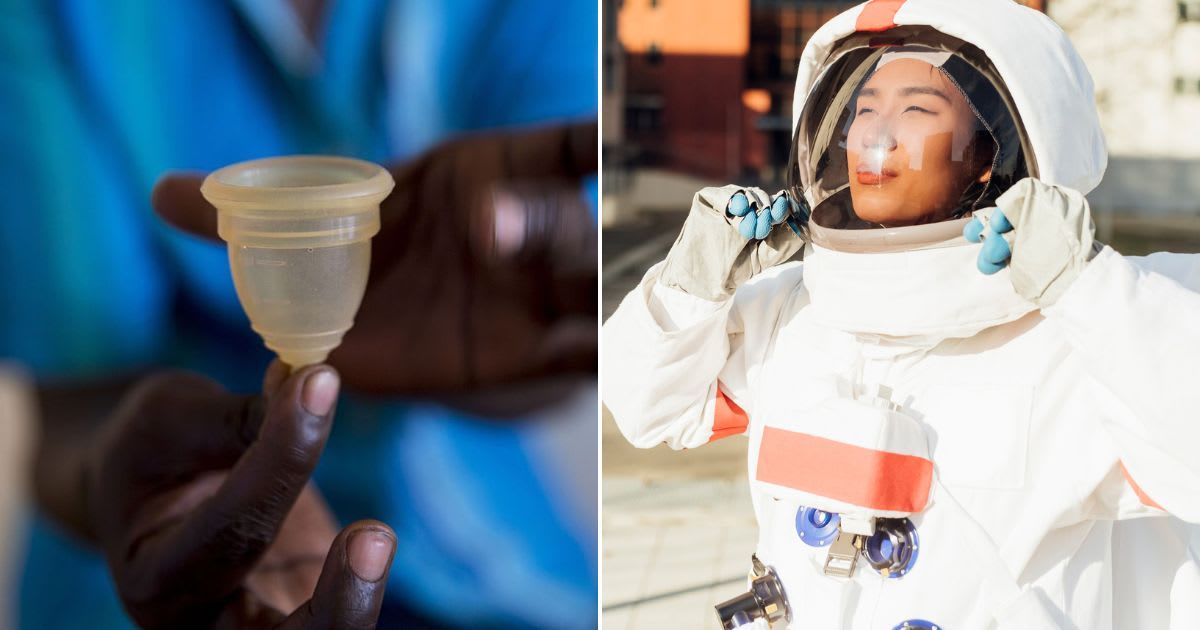
Space exploration has always played a pivotal role in expanding our understanding of the universe, pushing technological boundaries, and sparking innovation. From landing safely on the Moon to exploring Mars and observing distant galaxies, these missions help us envision the future of space travel and habitation. However, one unconventional project has taken this exploration in an unexpected direction. AstroCup, a research group, embarked on a unique initiative by sending two menstrual cups into space. This experiment aimed to analyze how everyday products function in zero-gravity environments, offering valuable insights for long-duration space missions.
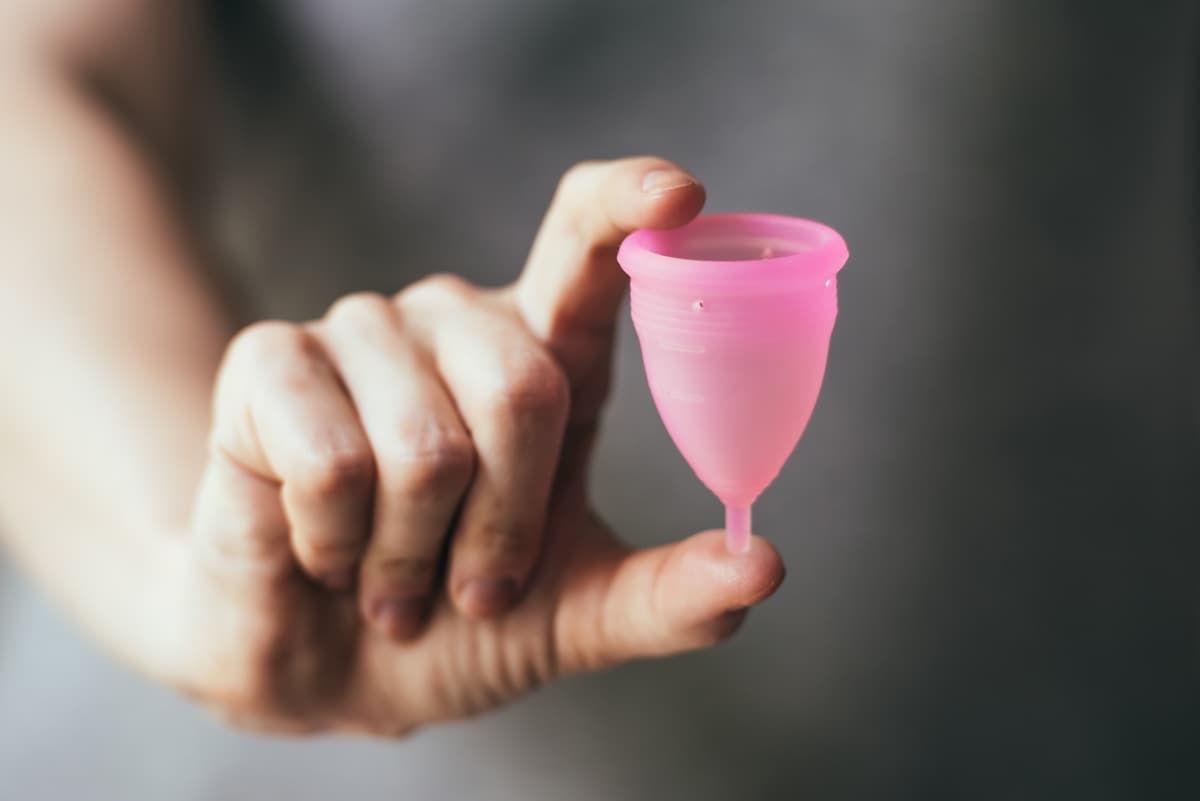
The project began in 2022 when the research team launched menstrual cups made by the Finnish brand Lunette on an uncrewed rocket that reached an altitude of 1.9 miles and lasted approximately nine minutes. Throughout the flight, the cups were subjected to intense vibrations and extreme forces that could have potentially damaged their structure or compromised their ability to hold liquid. Surprisingly, the cups remained intact, with no signs of degradation. These results were published in a study titled “One giant leap for womankind: first menstrual cups tested in spaceflight conditions,” featured in the journal NPJ Women’s Health.
Astrobiologist Lígia Coelho highlighted the significance of the findings, stating, "I get passionate about the reasons why menstrual devices are still not in space. We need to have a serious conversation about what it means to have autonomy for health in space." Historically, female astronauts on missions lasting up to six months have relied on hormonal methods to suppress their periods. While pads and tampons are available, using single-use products for multi-year missions is impractical. Additionally, maintaining hormonal suppression over extended periods can become increasingly challenging. Therefore, having reliable menstrual health solutions is no longer just a matter of convenience—it is essential for the well-being of astronauts.
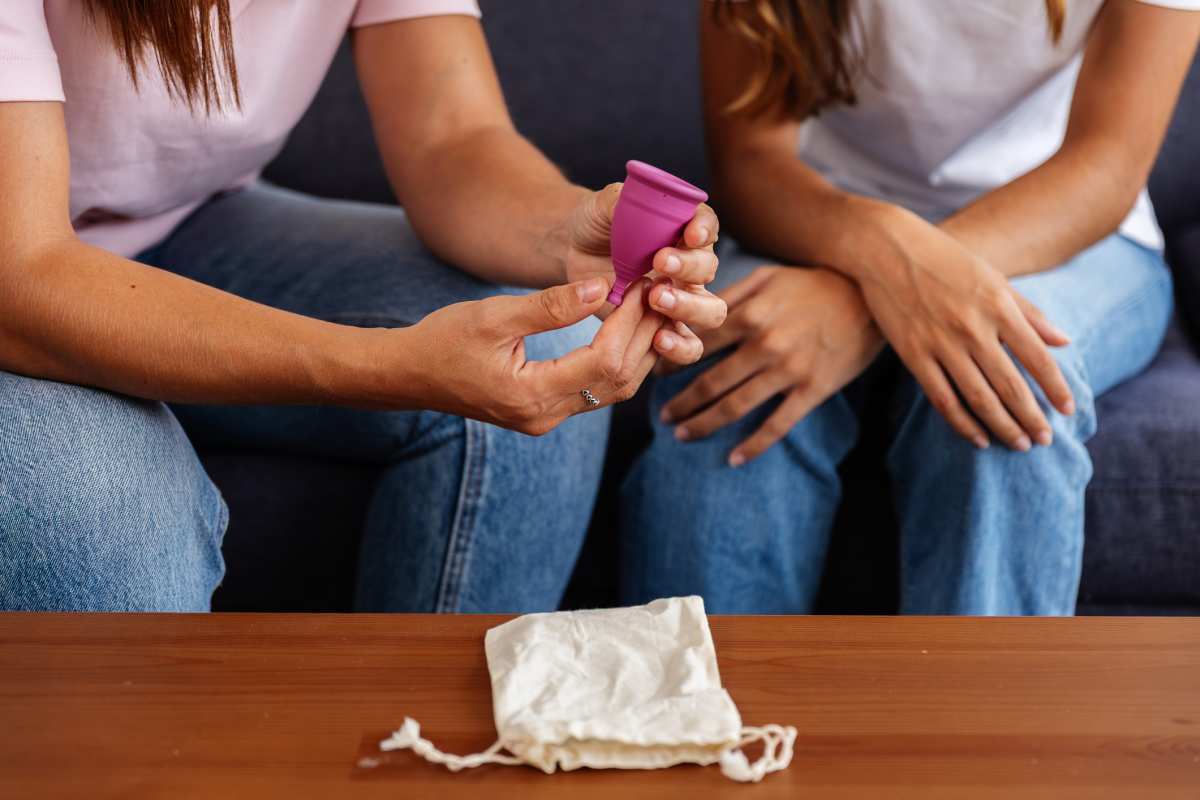
Taking certain birth control pills under a doctor's guidance can safely stop periods temporarily for many individuals and may even reduce pain and other symptoms. In space, this approach helps female astronauts avoid discomfort. However, the added estrogen in these pills can lead to serious side effects, such as blood clots or negative impacts on bone density, making them less ideal for long-term use. Experts emphasize that managing menstruation effectively in space will be critical for future long-duration missions.
Without practical alternatives, female astronauts on extended missions might have had to risk their reproductive health. Now that menstrual cups have been thoroughly tested, the team plans to send additional payloads to the International Space Station, aiming to evaluate a range of menstrual products. Coelho, who is also one of the lead authors of the study, stated, "It's validated, it works. Now we can start implementing and redefine health autonomy in space."
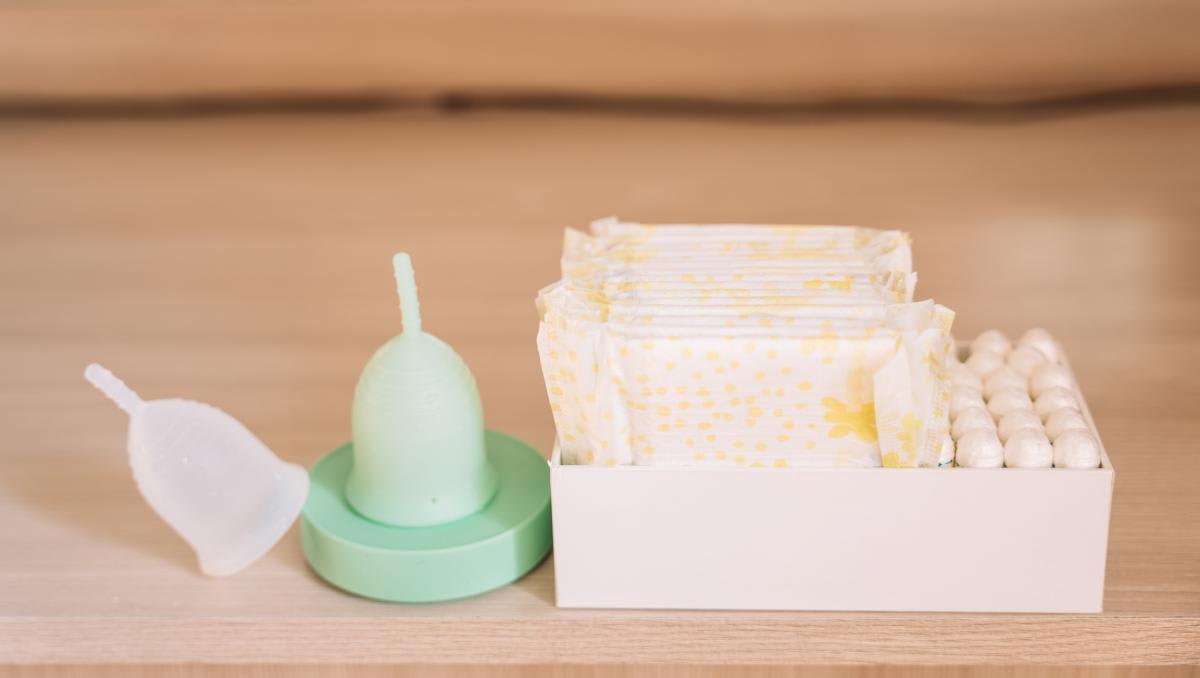
The study authors emphasized that more women will have the opportunity to participate in longer space missions, and it is crucial that their autonomy regarding menstrual options is respected. They noted that astronauts on Moon and Mars missions may choose to continue menstruating for personal, health, or reproductive reasons. Meanwhile, menstrual cups have gained widespread popularity as an eco-friendly alternative to disposable products like tampons and pads. Their flexible silicone design allows for reuse over several years, making them a sustainable choice.
More on Green Matters
Period Underwear Is An Easy Zero-Waste Swap — Here Are 5 Options
Everything You Need to Know About DivaCups, for a More Sustainable Period
5 Eco-Friendly Period Products You Will Actually Want To Use

Posting Komentar untuk "Experts Send Menstrual Cups to Space to Test Durability — Why It Matters for Astronauts"
Posting Komentar