
Fractal Epoch XL Review
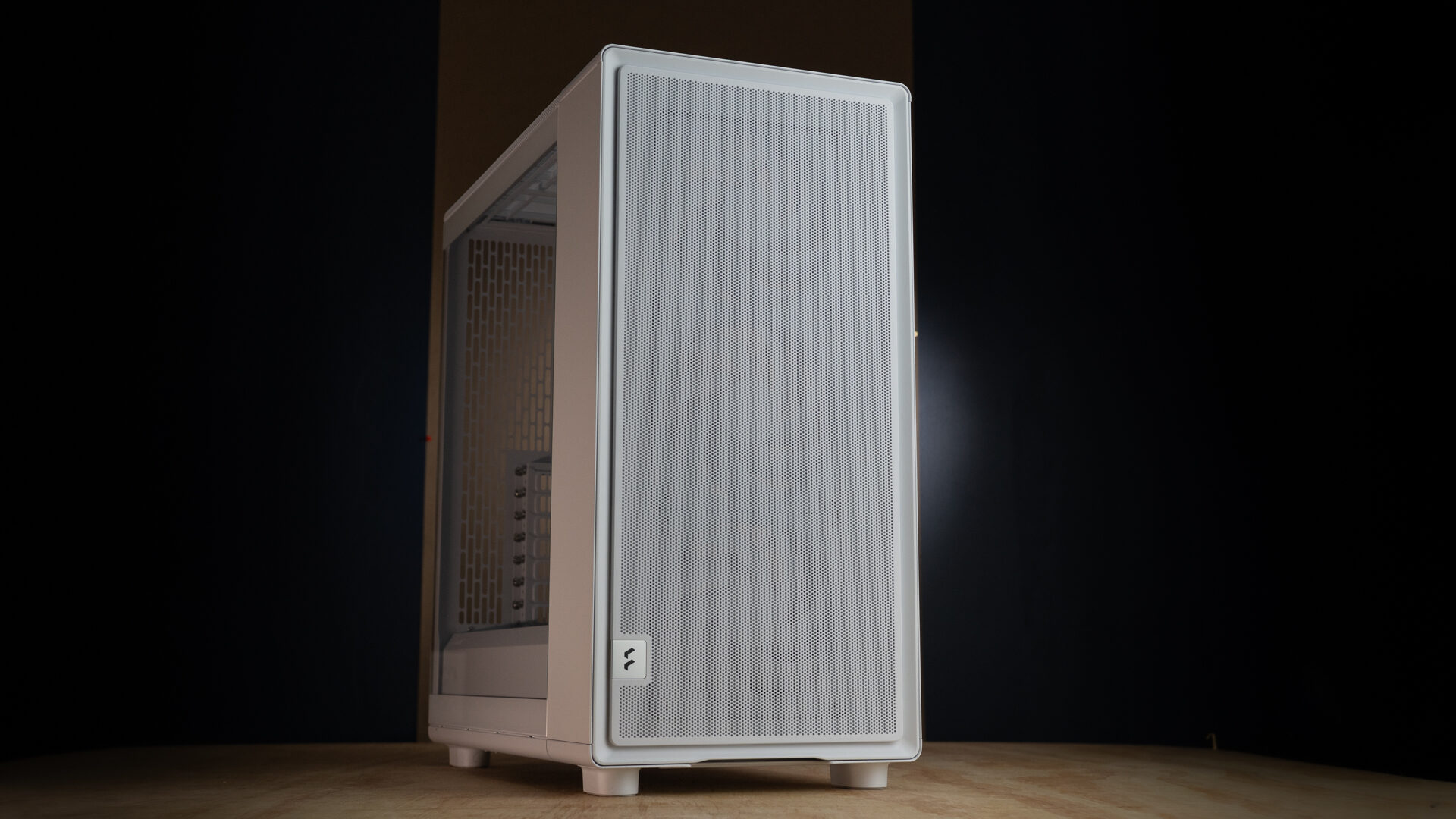
Building a gaming PC can be an expensive endeavor, especially when you have high standards for both aesthetics and performance. Fractal has long been a trusted name among enthusiasts, known for its sleek designs, solid build quality, and impressive thermal efficiency across a wide range of high-end cases. While Fractal is not the most expensive brand on the market, their products are certainly not the cheapest either.
The company’s latest offering, the Epoch XL, brings the modestly priced Epoch line into the upper echelon of PC chassis. This new model expands on the original's clean, mesh-centric design, adding support for e-ATX and back-connect motherboards, larger AIO coolers and fans, and more powerful GPUs. It also features improvements in cable routing and internal workspace. What sets it apart, however, is that it doesn't come with a massive price increase.
As someone who has been a fan of Fractal for years, I’ve often recommended their cases to others, sometimes even without being asked. The Define R5 was one of my go-to recommendations, and I still stand by that. So, when I got my hands on the Epoch XL, I was excited to see what this new model had to offer.
At first glance, the Epoch XL might seem unimpressive. It looks similar to many budget-friendly, glass-panelled dual-chamber cases that have flooded the market recently. Its dimensions—503 x 240 x 509 mm—are larger than average, but it doesn’t look much different from some of Fractal’s older models, like the "North." With a price range of $129.99 to $149.99 (for non-RGB and RGB versions respectively), the Epoch XL costs more than its direct competitors. However, once you actually handle the case, it becomes clear that it offers excellent value for money.
"Budget-friendly" is a subjective term, but value is not. Even with its higher price, the Epoch XL delivers excellent value. Unlike many white-label clones, it is built with care and uses solid materials, ensuring that it doesn’t become wobbly or unstable once the side panels are removed. Fractal gets the basics right: instead of using cheap materials and slap-on magnets, they use real sheet metal for the mesh top and front panels, which fit together seamlessly and lock securely.
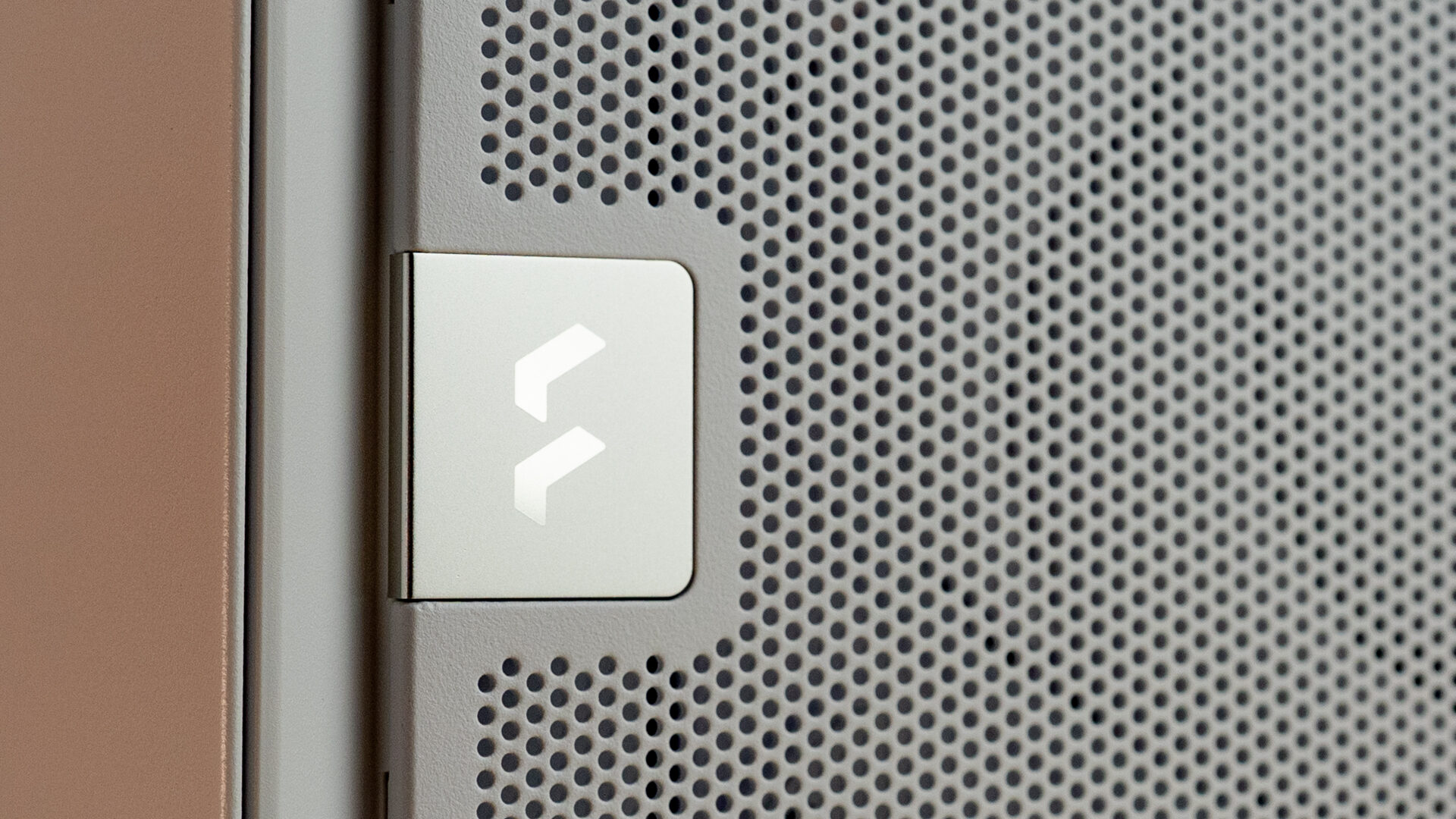
This might sound simple, but in today’s case market, it’s a rare treat. These panels fit together without gaps, lock in tightly, and even feature classy fabric pulls for easy disassembly. It's a straightforward design, but it feels elegant and built to last.
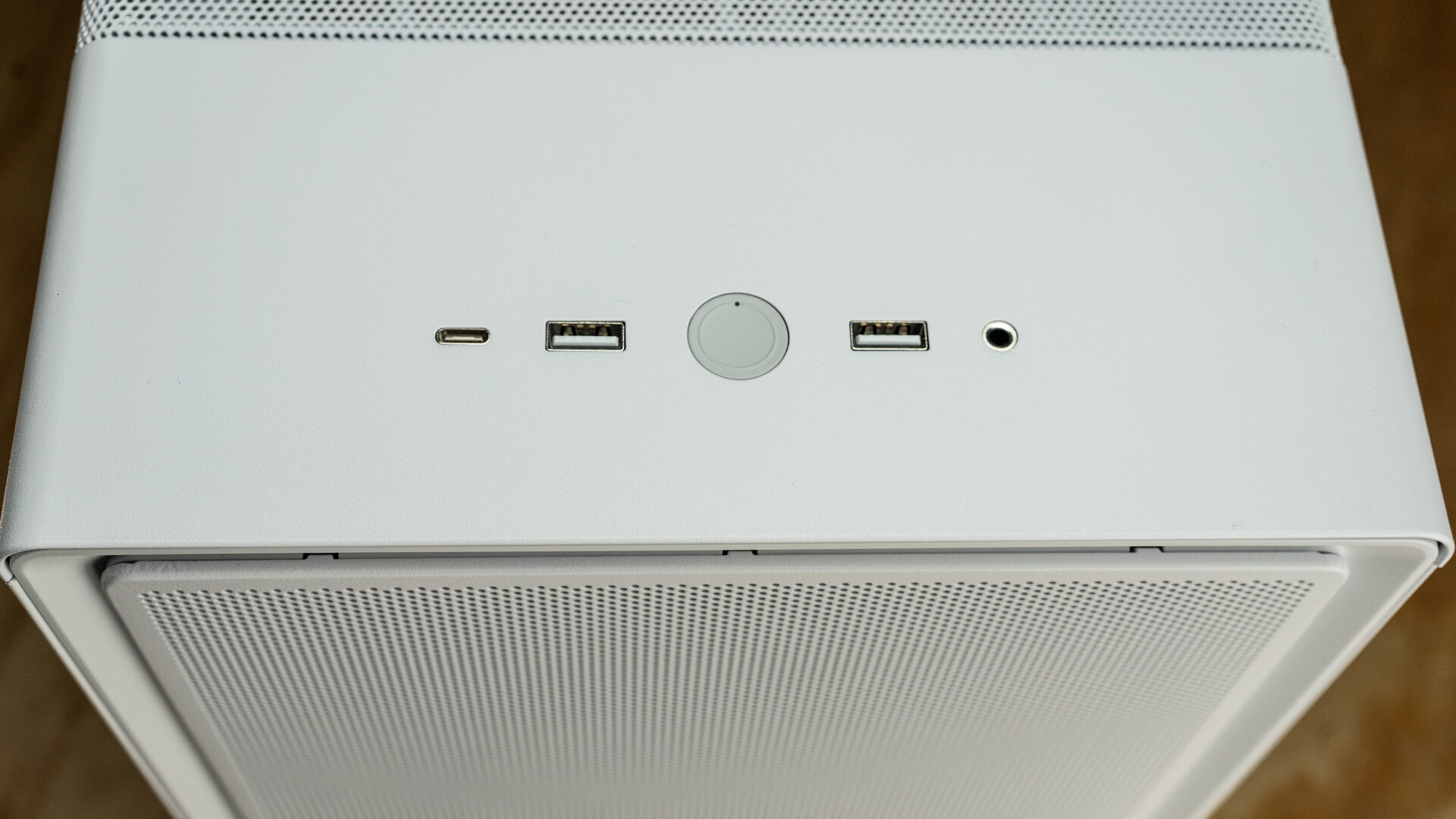
The top-mounted I/O panel is minimalistic but functional. It includes one USB Type-C 20 Gbps port, two USB Type-A 5 Gbps ports, and a single audio/microphone combo jack. This is the first case I've used without a reset switch, which takes some getting used to, but the dampened, soft plastic power switch is one of the best I've ever encountered. Small details like these make a big difference.
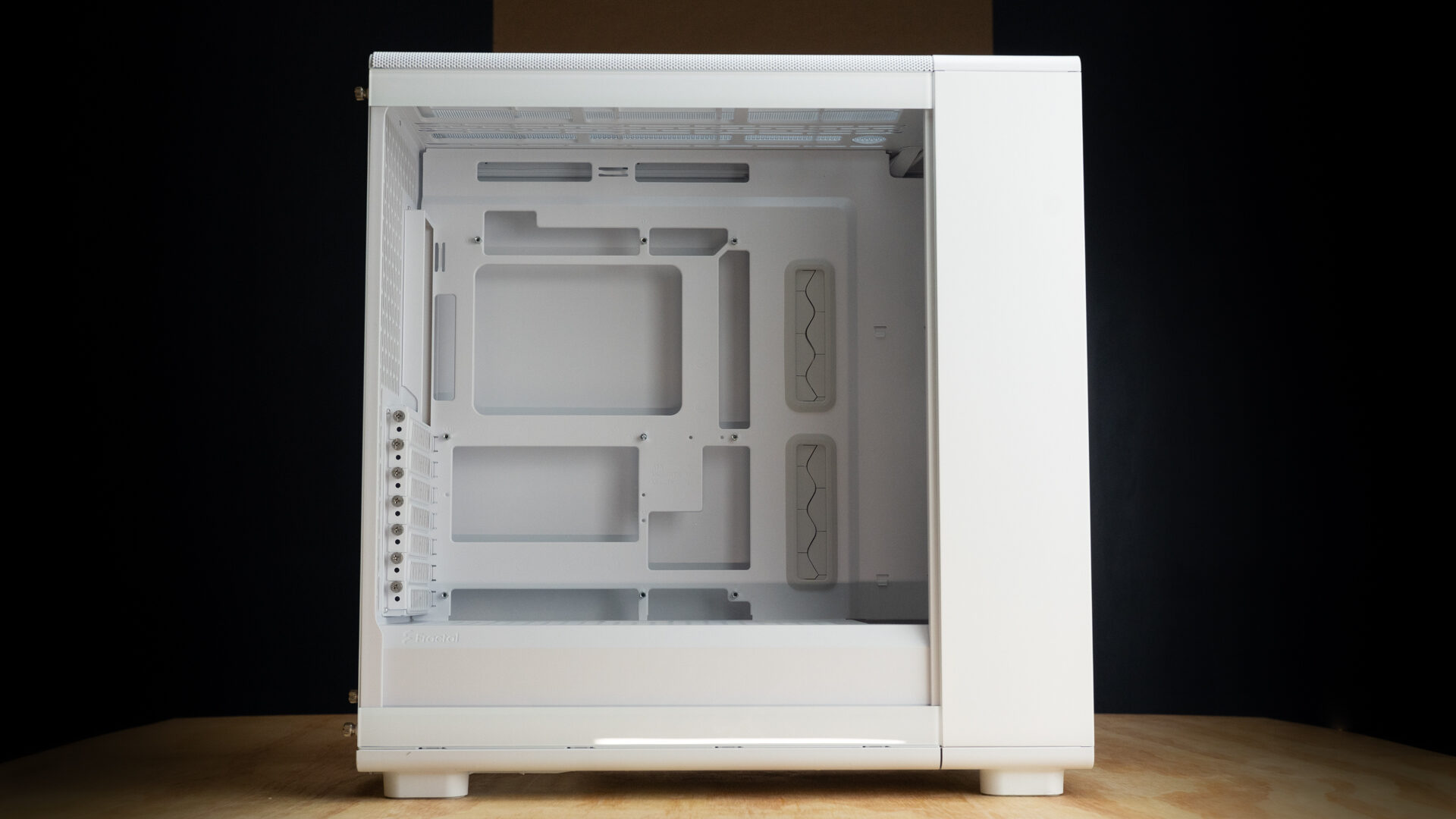
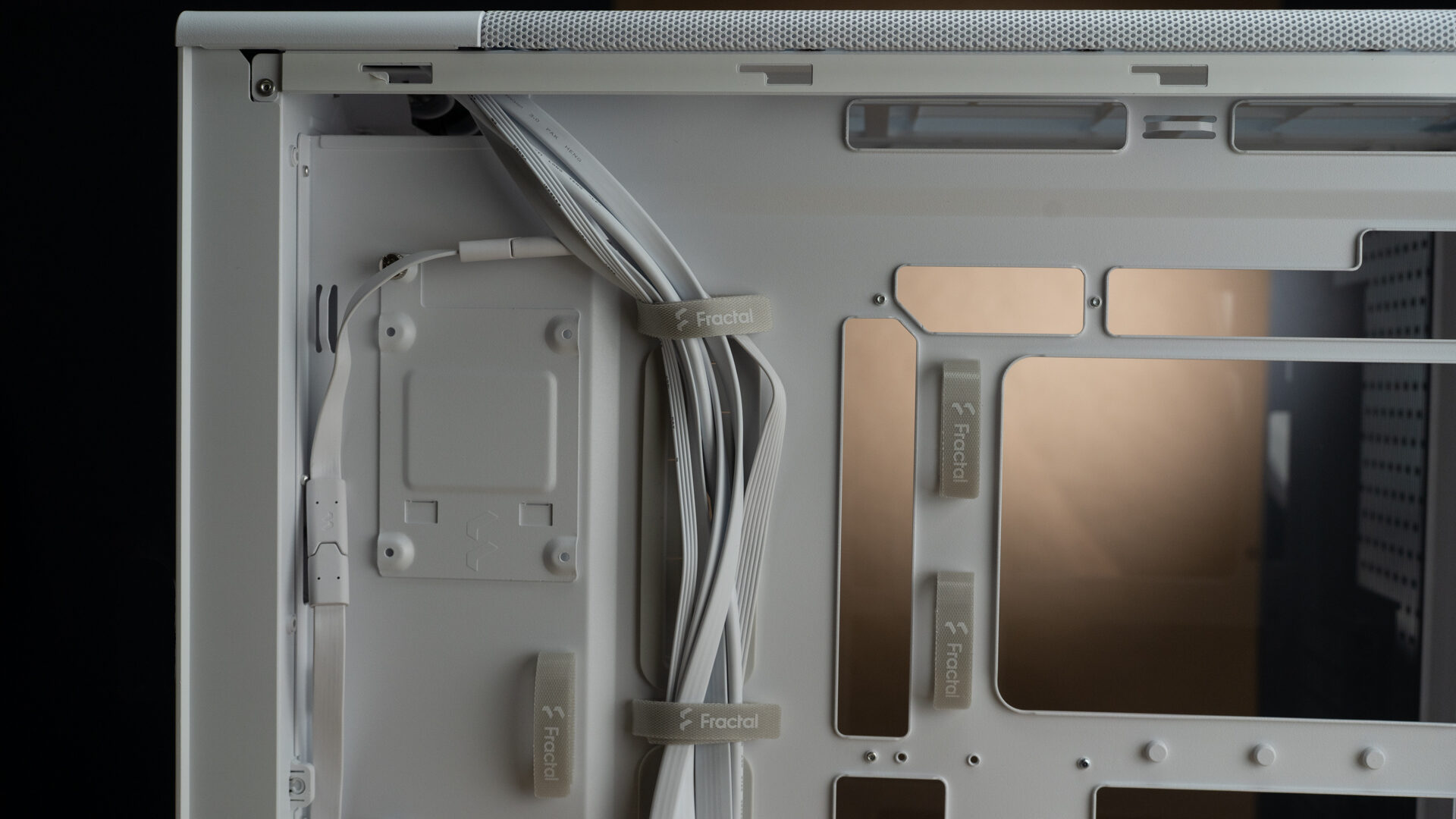
Inside the chassis, the experience is truly luxurious. There is ample space for cable routing, with spacious cutouts for power connectors, integrated velcro straps, and tie-down points. You can even zip-tie everything into a neat bundle if you're feeling lazy. The interior is clean, with pre-organized I/O cables and a tidy daisy chain for the fans. My only minor complaint is the non-combined front I/O header, but since there's no reset switch and only a power lead plus positive and negative LED leads, it's really just a small nitpick.
Good news for those still using old platter drives: Fractal recognizes your needs. The Epoch XL includes two dedicated 3.5-inch drive bays, as well as two tray-mounted 2.5-inch SSD bays. This is a thoughtful touch for users who may not have upgraded to newer storage technologies yet.
However, the PSU bay design is a bit unusual. Instead of sliding an ATX power supply in through the side, you have to remove a plate from the back, mount the PSU to that plate, and then reinstall the entire assembly. While this is meant to create a quicker release system, it makes cable setup less convenient. It would be easier to plug in your PSU cables before sliding the unit into place, but that option isn’t available here.
With the expanded interior, the case now supports e-ATX and back-connect motherboards such as the MSI B650M Project Zero, as well as oversized graphics cards up to 425 mm in length. Oversized components are still niche, but three-fan AIOs are becoming more common, and the Epoch XL can finally accommodate them.
The top-mounted radiator support has increased from 240 mm to 360 mm units, including models like the Cooler Master MasterLiquid 360 Atmos II. The case also supports an additional 120 mm or 140 mm fan, bringing the total to seven 120 mm fans or five 140 mm fans. Fractal equips the Epoch XL with three larger 140 mm Momentum 14 fans, an upgrade over the 120 mm Momentum 12 units included with the original Epoch.
Thermal performance and noise levels were exceptional throughout testing. The Momentum 14s are whisper-quiet even under load. Without a rear fan, both configurations maintained internal temperatures between 20 and 24 degrees Celsius. Even at 1800rpm, the fans were relatively silent, drowned out by the AIO’s three SickleFlow 120mm fans.
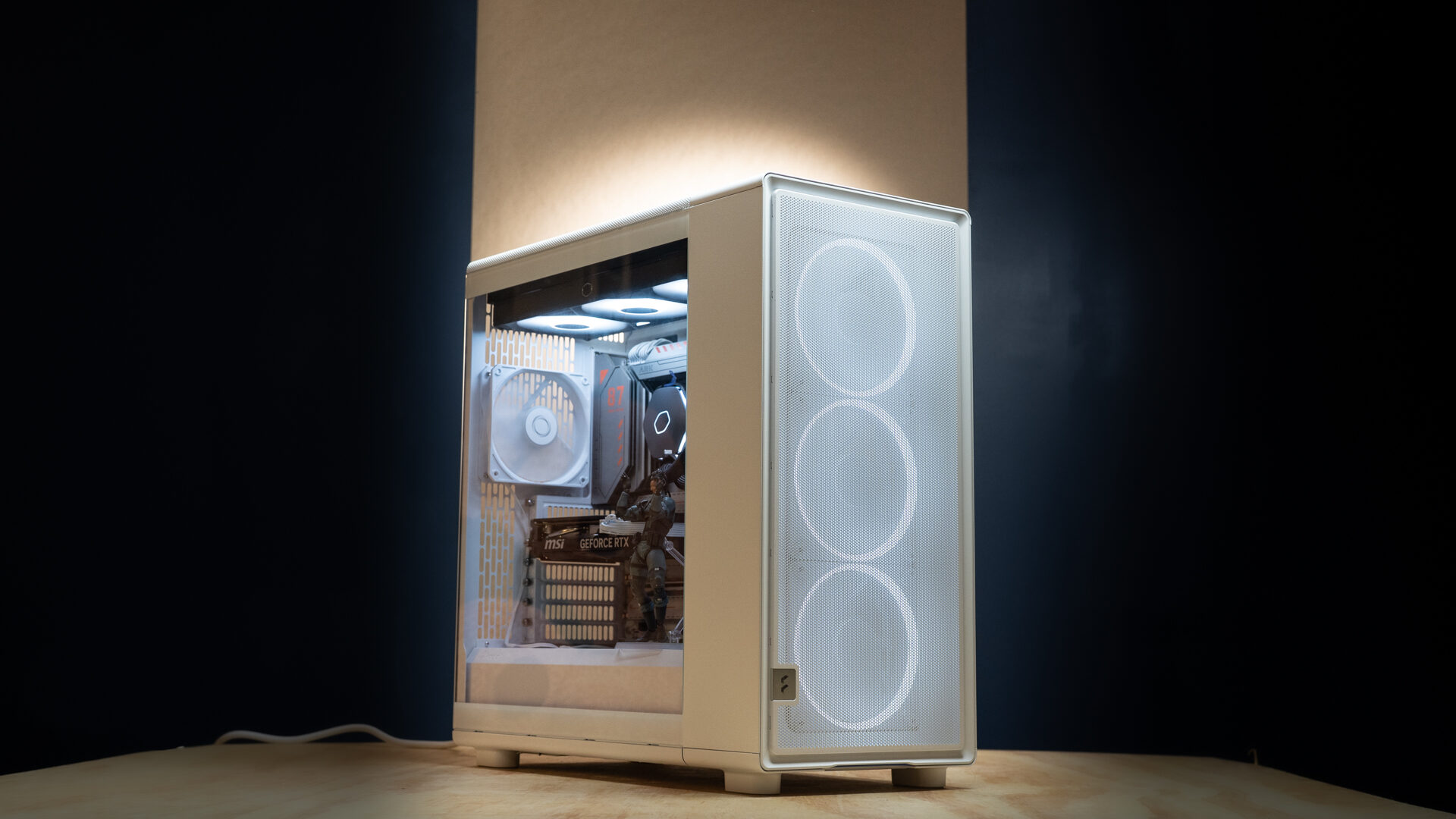
Fractal is releasing the Epoch XL in white or black, with either solid or tempered-glass side panels, RGB or non-RGB configurations, and two levels of glass tint: light or clear. The cases went on sale yesterday, December 4, and the pricing is surprisingly reasonable:
- Epoch XL Black Solid – $129.99
- Epoch XL Black TG (Light Tint) – $129.99
- Epoch XL White TG (Clear Tint) – $129.99
- Epoch XL Black TG RGB (Light Tint) – $149.99
- Epoch XL White TG RGB (Clear Tint) – $149.99
The Epoch XL is a builder’s case—it’s not flashy or revolutionary, but it’s solid. If you want a chassis that will last a decade or a gaming rig that doesn’t look like an alien spaceship landed in your living room, Fractal has you covered. At any build level and most budgets, the Epoch XL is an easy recommendation.

Posting Komentar untuk "Fractal Epoch XL Review"
Posting Komentar