
Good Riddance to Zuckerberg's $70B Metaverse Dream
The Rise and Fall of the Metaverse
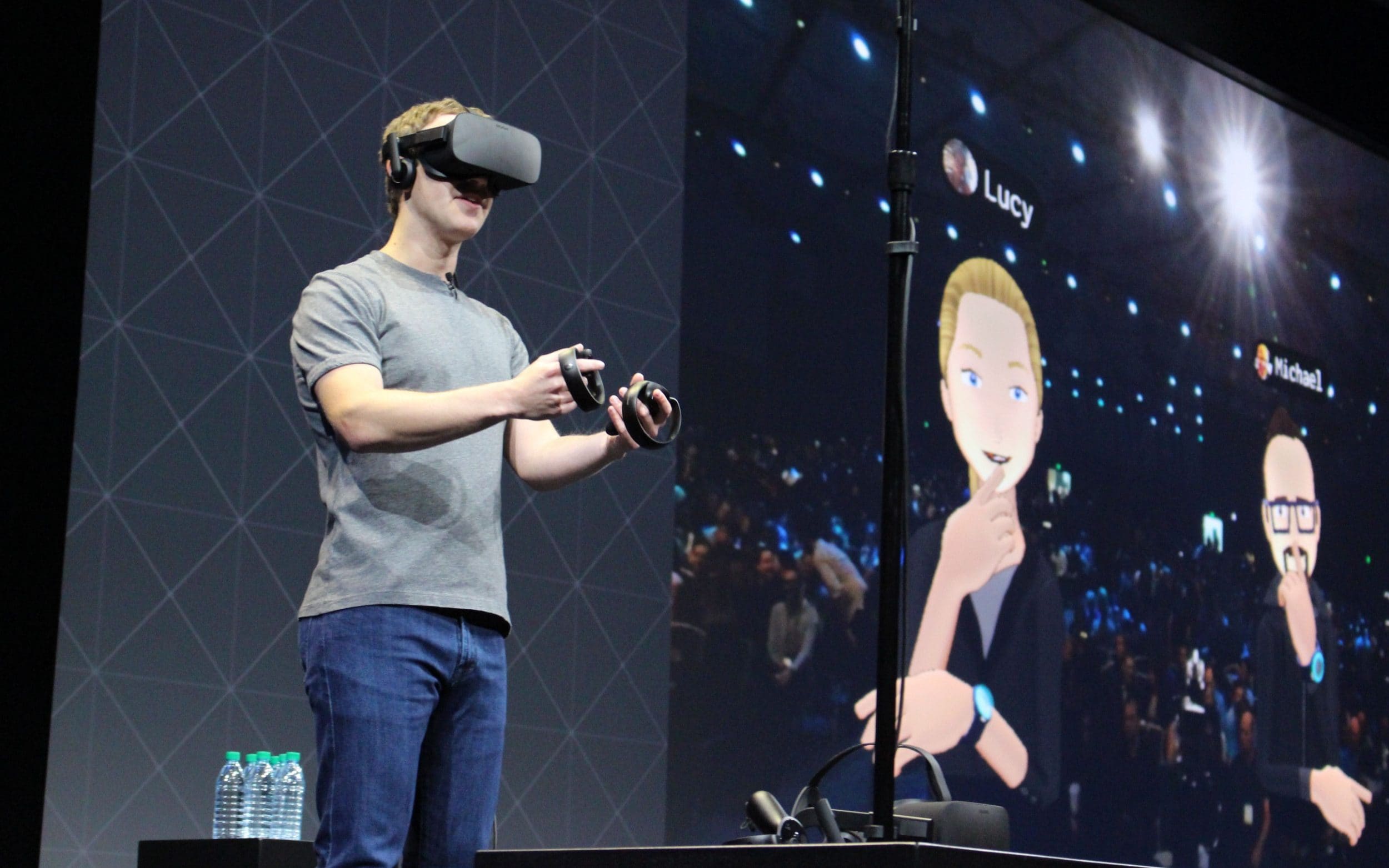
In 2021, Mark Zuckerberg introduced the concept of the Metaverse, a digital world where people could meet, shop, and conduct business through crude 2D avatars. This vision was backed by a company rename, reflecting a shift towards this new digital frontier. However, despite significant investment, the Metaverse has struggled to gain traction.
Meta, as the company is now known, has spent at least $70 billion over four years on this endeavor, an amount equivalent to the annual GDP of Azerbaijan. Despite this massive expenditure, the public has shown little interest in the virtual world. When Meta announced its decision to scale back its virtual reality unit with a 30% reduction, the stock price surged, signaling relief among investors.
Wall Street viewed the Metaverse as a risky venture, akin to Captain Ahab's pursuit of the great white whale Moby Dick. While other CEOs might have faced consequences for such a costly failure, investors still trust Zuckerberg's leadership. The dominance of Google and Meta in the digital space remains strong, even though their market share has slightly dipped over time.
Zuckerberg's motivation for the Metaverse stems from a sense of insecurity. Facebook's business model relies on a single cookie, lacking control over platforms like Chrome or iPhones that drive traffic to advertisers. His ambition was to create a platform of his own, leveraging advancements in imaging and computing technology.
The Vision and Missteps
Zuckerberg envisioned a future where personal displays would blend digital content with the real world. In 2014, Facebook acquired Oculus for its VR headsets, aligning with industry expectations that augmented reality (AR) would be the next big thing. AR combines real-life experiences with digital overlays, offering a unique blend of the physical and virtual worlds.
However, Zuckerberg's vision faced significant challenges. The Metaverse, unlike Second Life, which had a similar concept, failed to attract users. Businesses and media companies quickly left Second Life, which became known as "Sadville" due to its association with predators, spammers, and trolls.
Within a year of the Metaverse's launch, it became evident that Zuckerberg had created a second version of Sadville. Even Meta employees avoided using the platform, highlighting its lack of appeal. The idea of attending virtual meetings as crude avatars also proved unappealing, as physical presence and non-verbal cues are essential in business interactions.
The Metaverse was plagued by technical issues and design flaws. Initially, avatars could only move their upper bodies, leading to awkward interactions. A video of Zuckerberg's avatar dancing and jumping turned out to be fabricated, further undermining the platform's credibility.
The New Frontier: AI Wearables
Despite the Metaverse's shortcomings, Zuckerberg's ambitions continue. Meta recently acquired Limitless, a company developing wearable AI devices that record and analyze user data. These devices aim to provide personalized insights and suggestions, but concerns about privacy and surveillance remain.
Google faced similar challenges with its AR glasses, Glass, which were met with resistance due to privacy concerns. Meta seems to be repeating these mistakes with its Orion spectacles, aiming to turn users into constant observers. As Silicon Valley's elite grow wealthier, they risk losing touch with the importance of personal and social boundaries.
The Future of Technology
While tech leaders pursue ambitious projects, they may be hindering the potential of emerging technologies. Virtual reality, when used creatively, can offer engaging experiences such as team competitions or escape rooms. These applications highlight the positive aspects of VR that are often overlooked.
Zuckerberg's recent T-shirt, featuring the phrase "Aut Zuck aut nihil" (either Zuckerberg or nothing), reflects his confidence in his vision. However, investors may eventually seek alternative leadership. The failed Metaverse experiment could mark the beginning of a shift in perception regarding Zuckerberg's influence.
As the tech landscape evolves, the focus should remain on harnessing the true potential of innovations while addressing the ethical and practical challenges they present.

Posting Komentar untuk "Good Riddance to Zuckerberg's $70B Metaverse Dream"
Posting Komentar