
How to Spot Saturn's Moons: Titan, Rhea, Dione, and More
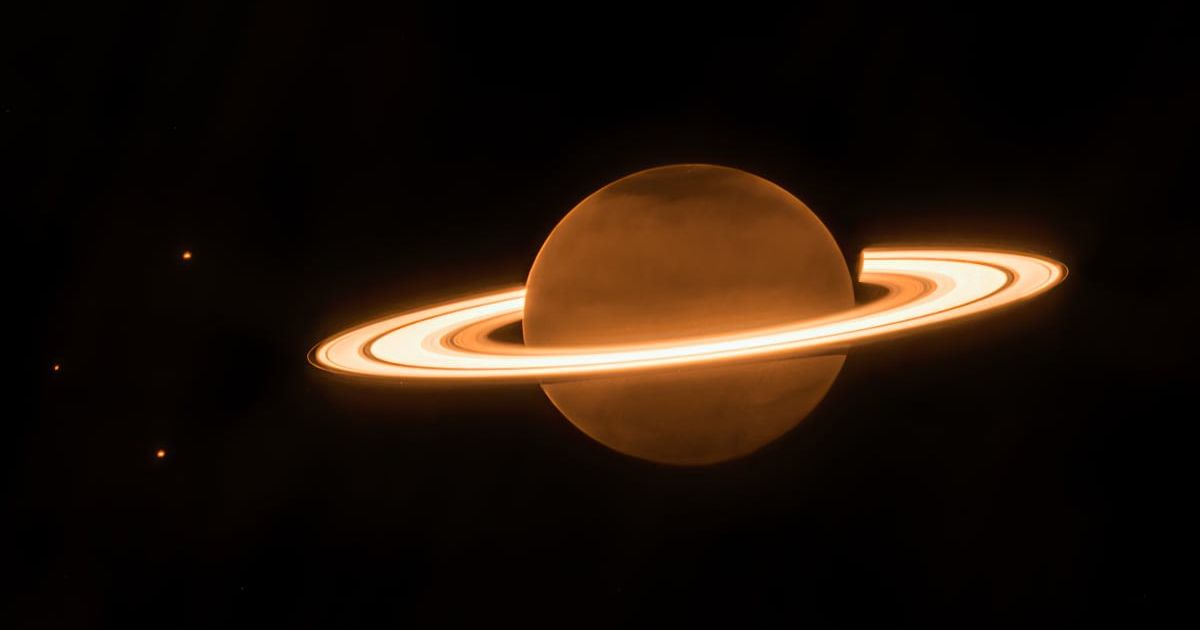
Saturn, the sixth planet from the Sun, is home to an impressive number of moons. Currently, 146 natural satellites have been identified, but not all of them are easily visible. Only seven of these moons can be observed through a reliable telescope from Earth. Among these, Titan stands out as the easiest to spot, according to BBC Sky at Night Magazine. Fortunately, amateur astronomers don’t need a high-powered telescope like the Hubble to view these celestial bodies.
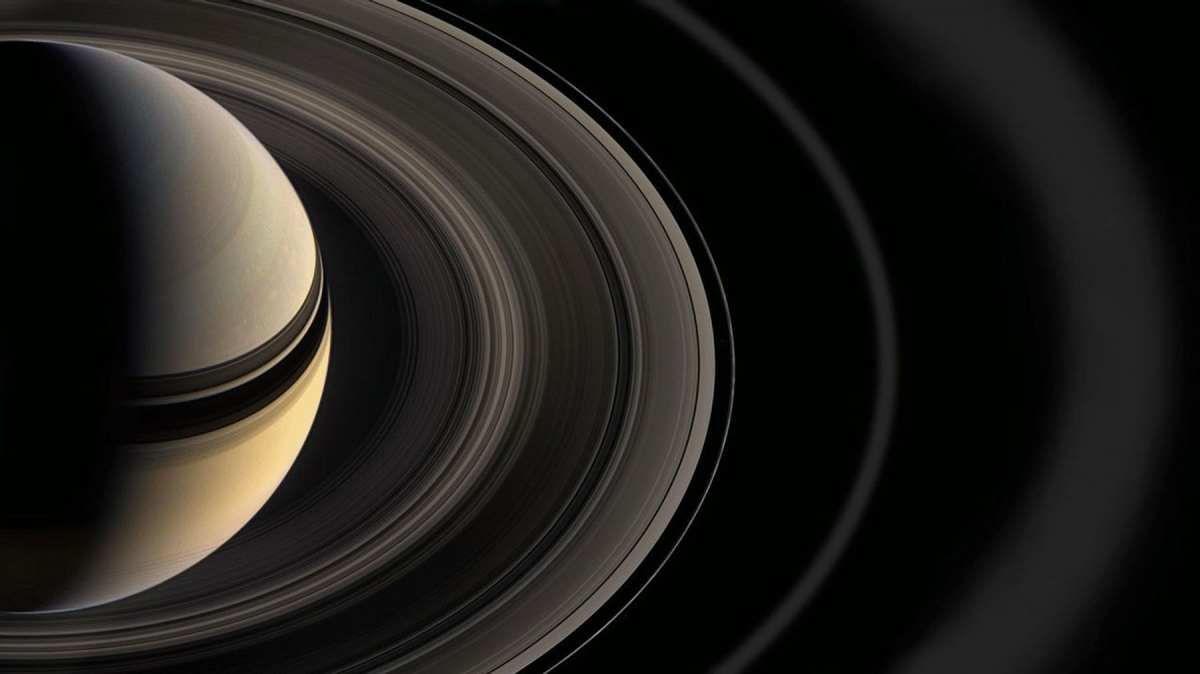
To observe Saturn’s moons, it's essential to first locate the planet itself. Saturn is visible to the naked eye, but its iconic rings require a basic telescope for clear viewing. The best time to observe Saturn is during its Opposition, when it is directly opposite the Sun in the sky. During this event, the planet appears brightest, rising near sunset and setting near sunrise, making it visible throughout the night. Modern astronomy apps or software like Stellarium can help track the planet’s position and enhance the viewing experience.
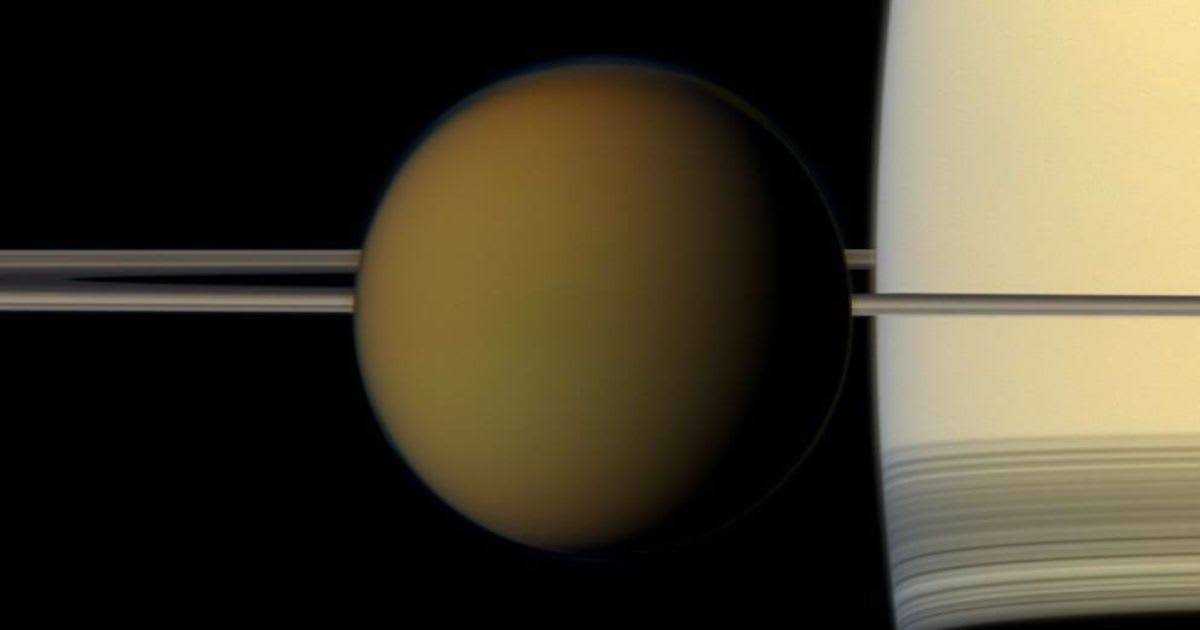
Titan, the largest moon of Saturn, is a standout in terms of visibility. Its brightness can reach up to +8.4, making it one of the brighter objects in the night sky. With a diameter of 3,200 miles, Titan is larger than Mercury and ranks second only to Jupiter’s Ganymede in size. It is the only moon in the solar system with a substantial atmosphere, primarily composed of nitrogen. While it can be seen with binoculars, a telescope offers a more detailed view, revealing its cloud tops rather than its surface. Titan completes an orbit around Saturn in about 16 days and is located approximately five ring diameters away from the planet at its farthest point.
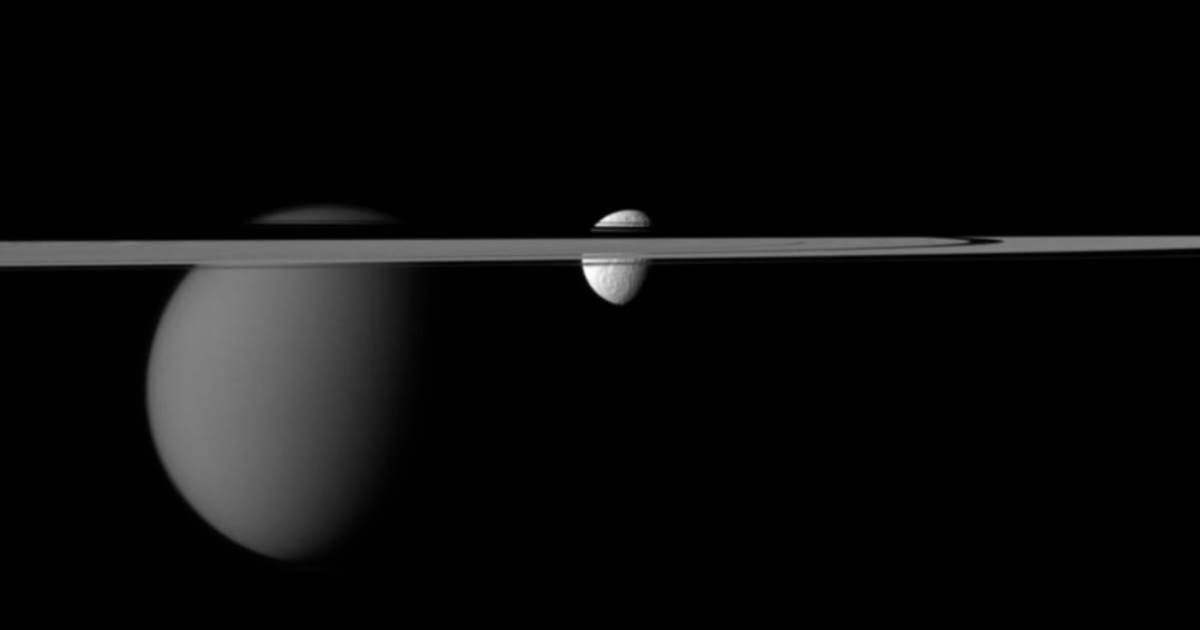
Rhea, Dione, and Tethys are the next set of moons that can be observed with a 3-inch refractor telescope. Rhea, the second-largest of Saturn’s moons, has a magnitude of +9.7 and takes 4.5 days to complete an orbit. It is typically found about two ring diameters away from Saturn. Tethys, with a magnitude of +10.3, is located roughly one ring diameter from the planet and completes its orbit in just 1.9 days. Tethys is known for a massive canyon that stretches three-quarters of the way around the moon, along with two co-orbital moons named Telesto and Calypso. Dione has a visual magnitude of +10.4 and is the densest of Saturn’s moons, indicating a large rocky core. It orbits in 2.7 days and is located about 1.5 ring diameters from Saturn.
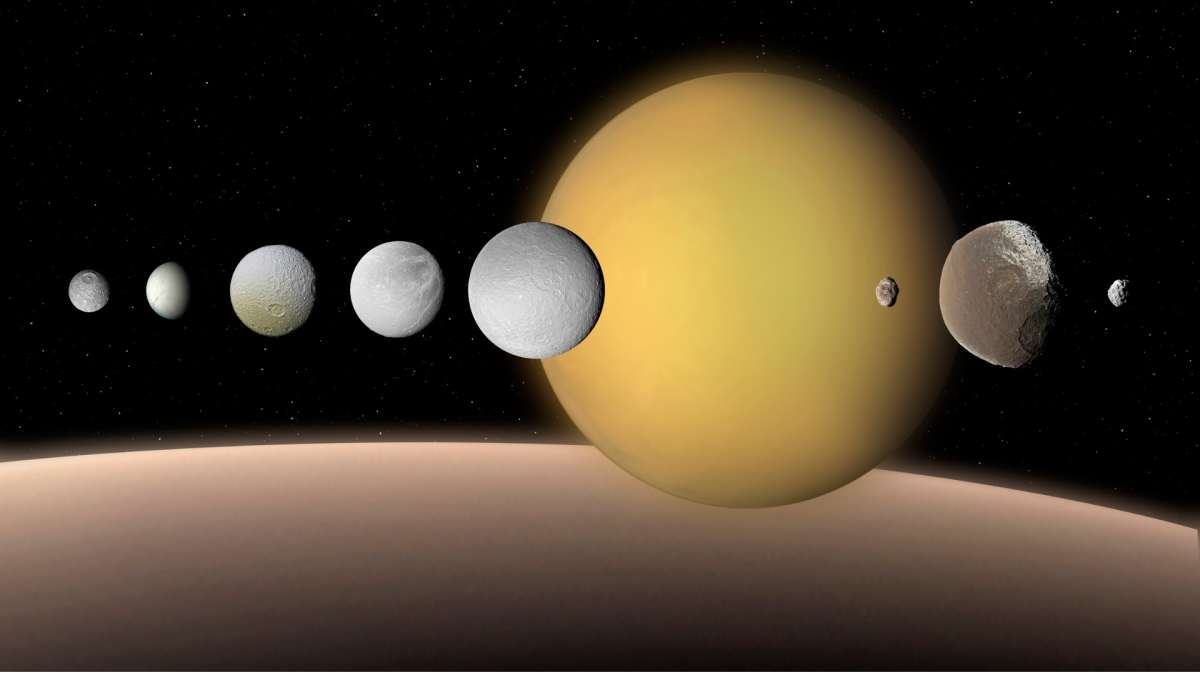
Iapetus and Enceladus present a greater challenge for observers. Enceladus has a brightness of around +11.8, while Iapetus varies between +10.1 and +11.9. A 6-inch telescope is required to see Iapetus at its dimmest. Despite being the third-largest moon of Saturn, Iapetus is the farthest of the planet’s main moons, with an orbital period of 79 days. It travels as far as 12 ring diameters from Saturn, making it one of the most distant inner moons.
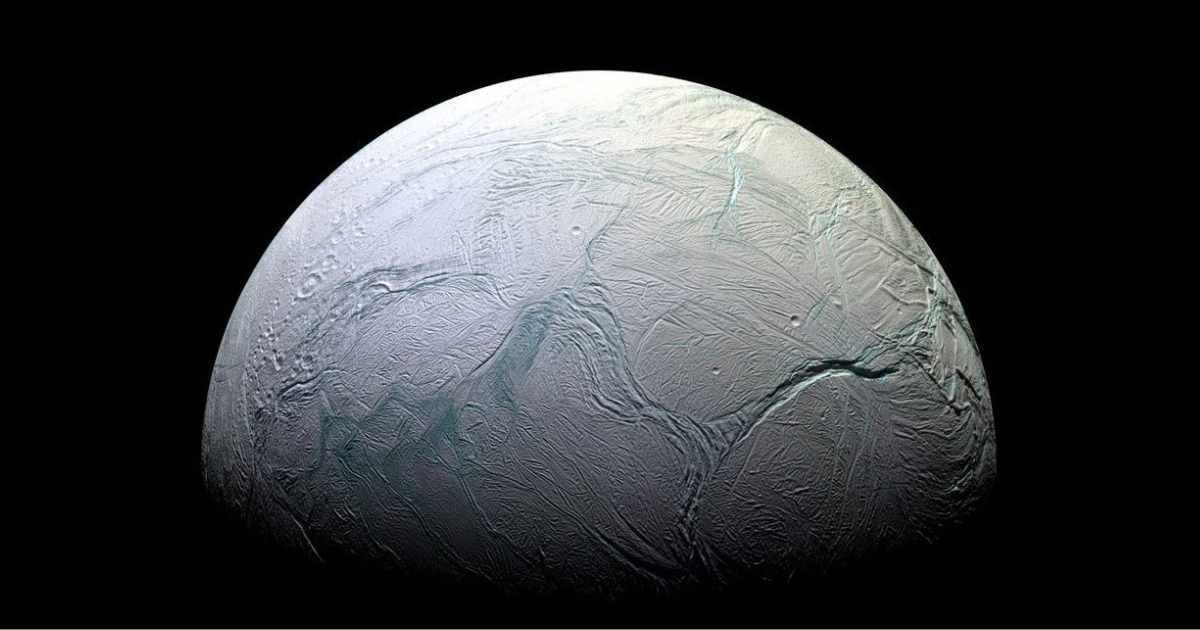
Mimas, the faintest of Saturn’s moons, has a magnitude of just +12.9. Spotting Mimas requires a 6-inch telescope and optimal viewing conditions free from light pollution. Its low brightness makes it a challenging target for even experienced observers.
More on HAWXTECH.NET
Titan darkens Saturn on August 19 in a rare spectacle visible every 15 years
Titan’s shadow to transit Saturn on July 18 in a rare event — how and when to watch

Posting Komentar untuk "How to Spot Saturn's Moons: Titan, Rhea, Dione, and More"
Posting Komentar