
Linux antivirus suites are no longer irrelevant
The Perceived Security of Linux
Linux has long been perceived as a highly secure operating system, often seen as impervious to the kinds of malware and viruses that plague Windows users. Many Linux users have never encountered malware, which contributes to the belief that it doesn't need an antivirus suite. However, this perception is not entirely accurate. While Linux's design makes it less vulnerable to traditional malware, it's not immune. The reality is more complex than it seems.
Why Linux Seems Secure
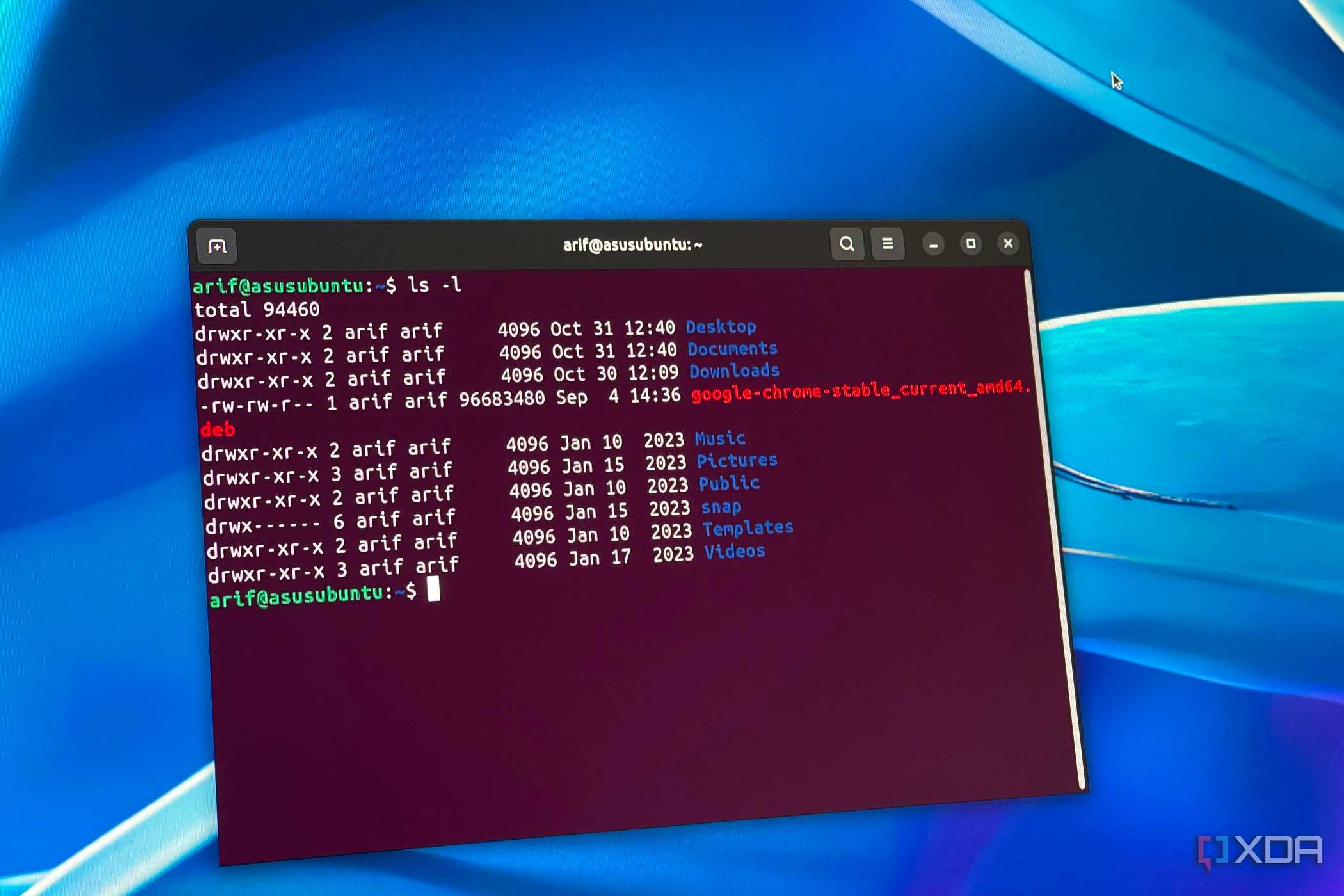
One of the main reasons Linux appears so secure is its multi-user permission model. Users operate with limited privileges by default, and critical system areas require root-level access. This means that a malicious program can't easily make system-wide changes without explicit user permission. Additionally, downloaded files aren't executable by default, requiring users to run commands like "chmod +x" to mark them as such. This adds an extra layer of protection.
Most Linux distributions use centralized package repositories for software distribution, and these applications are cryptographically signed and verified. While some vulnerabilities have slipped through over the years, the overall approach is safer than the typical Windows method of downloading executables from the internet. Linux users can install third-party software or run scripts from the internet, but these actions usually require deliberate effort and caution.
The Popularity Factor
Another factor contributing to Linux's security is its relatively lower popularity compared to Windows and macOS. Malware authors typically target platforms with a larger user base, especially non-technical users who may be more susceptible to phishing attempts. However, servers have historically been dominated by Linux, making it a lucrative target for attackers. The Linux permission model plays a crucial role in securing these systems.
Rapid Patching and Open-Source Community
Linux is built on open-source principles and rapid patching. When vulnerabilities are discovered, fixes are often released quickly. This makes it harder for viruses to gain a foothold. Moreover, since the code is open, backdoors and viruses can be audited and detected by the community. A notable example was the xz-utils incident, where a vulnerability was identified and addressed swiftly.
The Changing Landscape
Despite these advantages, the landscape is changing. More "typical" users are starting to use Linux, and this shift could increase the risk of attacks. Kaspersky recently launched its own Linux-based antivirus solution, suggesting that the company sees potential growth in this area. If more Windows users migrate to Linux, they may not be as cautious or careful, increasing the need for additional security measures.
Understanding Linux's Security Architecture
The security architecture of Linux is a key component of its security model. Unlike Windows, where administrators and regular users are often combined, Linux separates these roles from the start. Regular users can only modify files in their home directory and have limited access to system settings. System files and critical settings belong to the root user, making it difficult for malware to cause widespread damage.
When it comes to executable files, the user must actively help the malware run. For example, a file named "image.jpg.exe" would be treated as an executable on Windows, but on Linux, the user would need to explicitly grant execution permissions. This reduces the chances of accidental execution of malicious files.
Even if malware manages to execute under a user account, it can only cause limited damage unless it gains root-level privileges. To cause serious harm, malware must exploit a privilege escalation flaw or trick the user into granting elevated permissions. This design significantly mitigates the risk of system-wide compromises.
The Evolving Threat Landscape
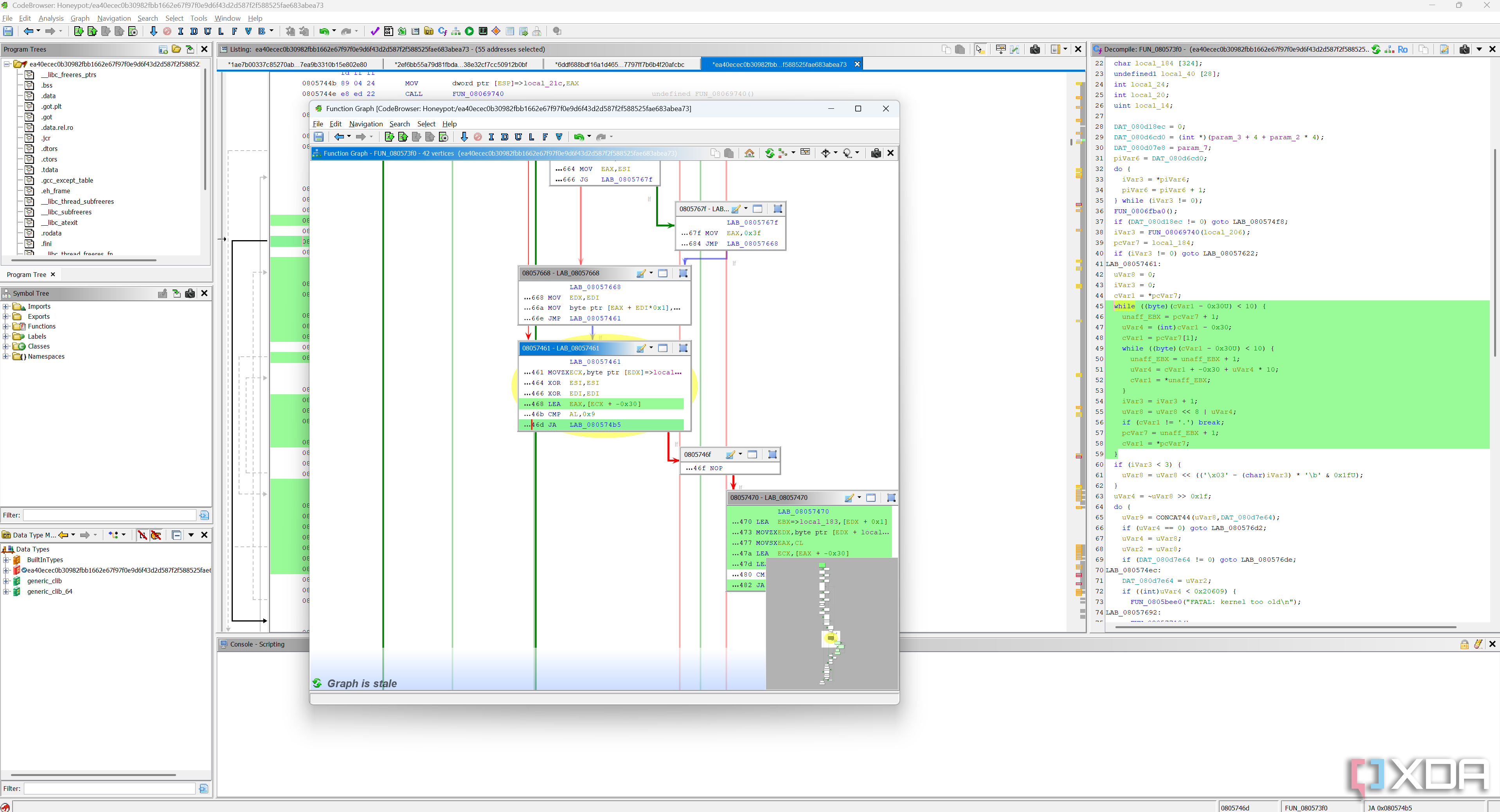
While Linux's security architecture protects against traditional viruses, modern threats focus on exploiting weak passwords, unpatched vulnerabilities, and misconfigurations. Automated attacks on Linux systems are common, with bots constantly probing for weaknesses. Running a honeypot like Cowrie revealed the relentless nature of these attacks, with thousands of attempts daily from various IP addresses.
For desktop users who keep their systems updated and follow good security practices, Linux remains remarkably secure. However, the idea that Linux doesn't need any security considerations is outdated. Whether running a server or a desktop, understanding the threats and taking appropriate precautions—such as using strong passwords, regular updates, firewalls, and security scanning tools—is more important than ever.

Posting Komentar untuk "Linux antivirus suites are no longer irrelevant"
Posting Komentar