
Meta Moves New Mixed-Reality Glasses Release to 2027
Meta's Delayed Mixed-Reality Smart Glasses and New Product Roadmap
Meta has reportedly pushed back the release of its upcoming mixed-reality smart glasses to 2027, according to internal memos shared with Business Insider. The delay is part of a broader shift in the company’s product strategy for wearables and mixed-reality headsets. These changes suggest that Meta is taking a more cautious approach to ensure its products meet high standards before launch.
In a series of internal communications, Meta leadership emphasized the need to "get the details right." This sentiment was echoed by Gabriel Aul and Ryan Cairns, who highlighted the challenges of launching a fully polished and reliable experience. The memo stated that there are "a lot coming in hot with tight bring-up schedules and big changes to our core UX," which may have contributed to the decision to extend the timeline.
The new mixed-reality glasses, code-named "Phoenix," were initially scheduled for a second-half 2026 release. However, the latest information suggests they will now launch in the first half of 2027. This minor delay is intended to provide Meta with additional time to refine the product and address any technical or design challenges.
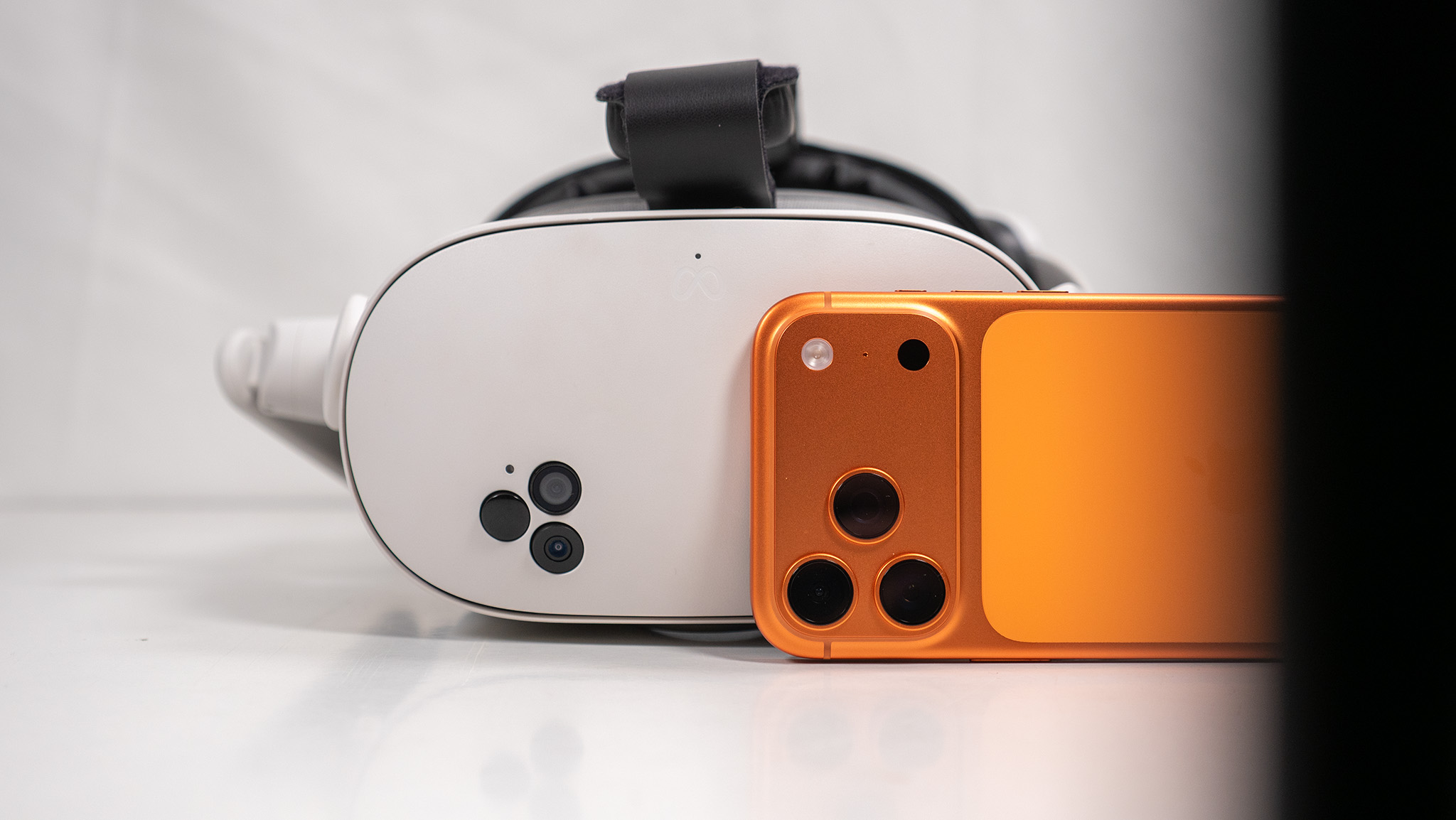
Alongside the Phoenix glasses, the memos also hint at the development of a new wearable and an upgraded version of the Quest headset. The next-generation Quest headset is expected to be a "large upgrade" that will "significantly improve unit economics," according to Aul and Cairns. This indicates that Meta is focusing on both performance and cost efficiency as it prepares for the next phase of its product lineup.
Another notable development mentioned in the memos is the creation of a "limited edition" wearable variant, code-named "Malibu 2," which is set for a 2026 release. While details about this product remain sparse, its inclusion in the roadmap suggests that Meta is exploring different market segments and consumer preferences.
Design Leadership Changes and Impact on Product Development
The delays may also be linked to recent changes in Meta’s design leadership. Alan Dye and Billy Sorrentino, former Apple designers, have joined Meta to work under Reality Labs. Dye, known for his role in shaping Apple’s human interface design, is leading the creation of a new design lab at Meta. He will report directly to Meta CTO Andrew Bosworth, who expressed excitement about the collaboration.
Bosworth stated that Dye is one of the industry’s great design leaders and that his addition will help Meta build the future of computing at the intersection of AI, wearables, and spatial computing. This move signals Meta’s commitment to enhancing its design capabilities and aligning with emerging trends in technology.
Dye and Sorrentino previously worked on projects such as Liquid Glass, the Apple Watch, visionOS, and the Apple Vision Pro. Their expertise could play a crucial role in shaping the user experience (UX) of Meta’s upcoming products, particularly given the mention of "big changes to our core UX" in the memos.
Competitive Landscape and Future Outlook
The timing of these developments comes as Meta faces increasing competition in the smart glasses and virtual reality markets. New Android XR hardware is expected to challenge Meta’s offerings in the coming year, while Google is set to share more details in a livestream on December 8.
As Meta refines its product roadmap, the focus remains on delivering high-quality, innovative devices that can stand out in a crowded market. The delay in the Phoenix glasses’ release may allow the company to address potential issues and ensure a stronger market position when the product finally launches.
For those interested in staying updated on Meta’s progress and other tech news, following trusted sources and engaging with relevant platforms can help keep you informed about the latest developments.

Posting Komentar untuk "Meta Moves New Mixed-Reality Glasses Release to 2027"
Posting Komentar