
Miliband Sees Hundreds of New Wind and Solar Projects Emerge
A Major Shift in the UK's Energy Strategy
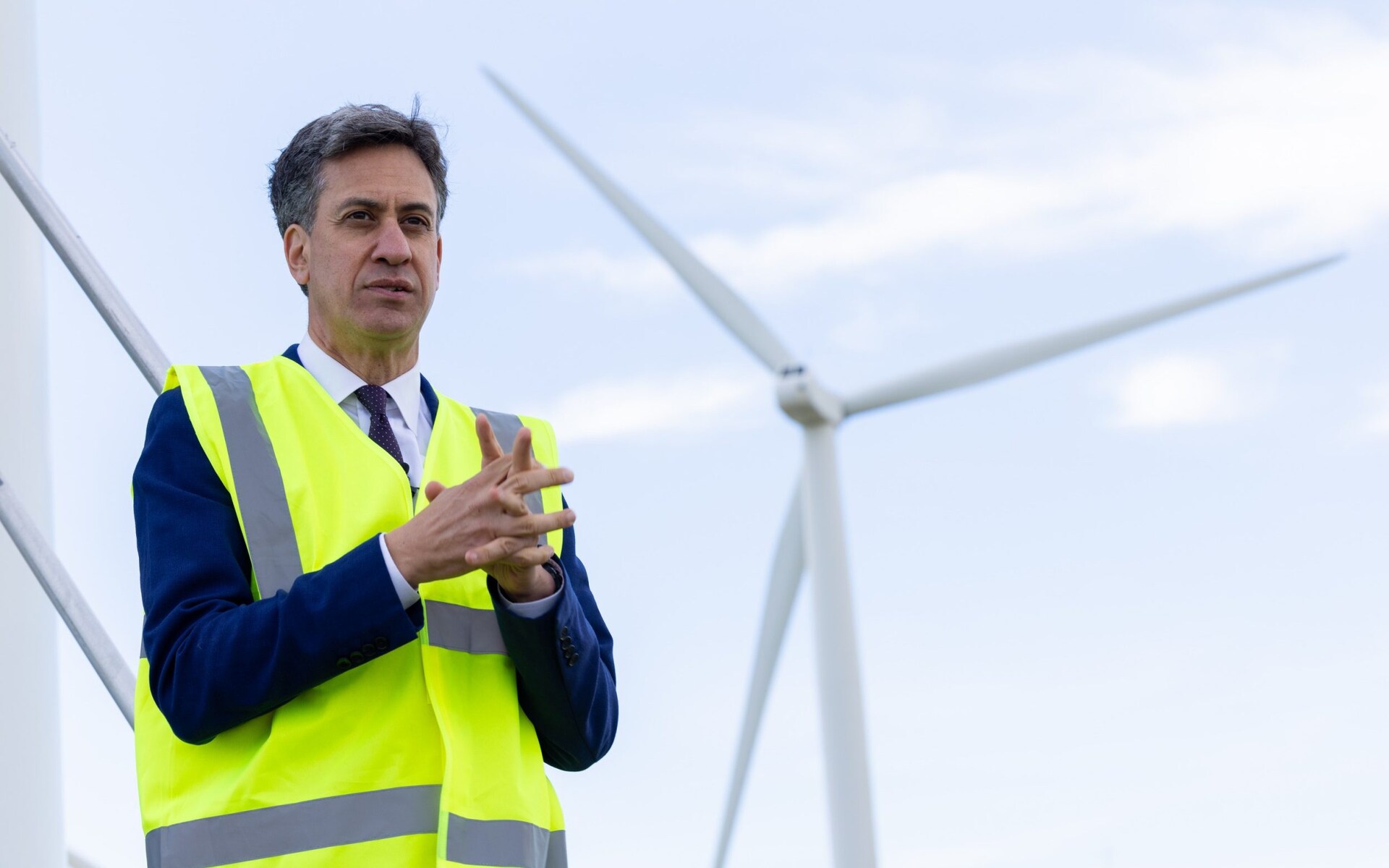
Ed Miliband, the UK’s energy secretary, has approved a significant expansion of renewable energy infrastructure across rural England. This decision includes hundreds of new wind, solar, and battery plants aimed at tripling the country’s electricity generating capacity within the next decade. The National Energy System Operator (Neso), which Miliband oversees, has identified these projects as essential to achieving the UK’s clean energy goals.
The approval process is expected to bring nearly 300 gigawatts (GW) of generating capacity online by 2035. To put this into perspective, the UK currently has about 111GW of capacity. This ambitious plan is designed to help the UK decarbonize its power system by 2030, with Miliband emphasizing that connecting these clean energy sources to the grid will lead to lower energy bills for consumers.
However, the move has sparked controversy among rural communities who fear the impact of these developments on their landscapes. Rosie Pearson, co-founder of the Community Planning Alliance and an activist against large-scale energy projects, criticized the plans as an example of "Net Zero zealotry." She warned that the decision could lead to an increase in pylons, solar farms, and wind turbines in areas traditionally known for their natural beauty.
Grid Connection Reforms
Neso, responsible for overseeing the UK’s gas and power networks, has spent two years reforming the grid connection process. The previous "first come, first served" system was plagued by delays and inefficiencies, with many projects—often referred to as "zombie" projects—stuck in limbo without a clear path to completion.
Kayte O’Neill, chief operating officer at Neso, highlighted the importance of these reforms. She stated that transforming the grid connection process is a critical step in unlocking the necessary capacity for a secure and affordable energy transition. These changes aim to prioritize ready-to-build projects, offering clarity on when and where they can connect to the grid, and ultimately attracting billions in clean energy investment.
Project Approval and Timeline
Starting Monday, companies will receive notifications from Neso regarding whether their projects have been accelerated, placed on hold, or scrapped. Approximately 132GW of projects will be approved for connection by 2030, including:
- 34GW of battery storage schemes
- 45GW of offshore and onshore wind
- 30GW of solar
An additional 151GW will be offered the opportunity to connect between 2030 and 2035. Furthermore, 13GW of capacity will be added through new interconnectors linking the UK to European neighbors.
Jonathan Brearley, CEO of Ofgem, emphasized the need for this increased capacity due to rising energy demand. He noted that evolving usage patterns, such as AI technologies, data centers, electric vehicles, and heat pumps, have led to unprecedented levels of energy consumption.
Financial Implications
The scale of these projects is immense, and their financial implications are equally significant. Almost all of these projects will qualify for subsidies under the government’s Contracts for Difference scheme, which is funded by a levy on energy bills. Government forecasts indicate that this could add several billion pounds to energy bills by 2030, with further increases expected through to 2040.
While environmental advocates and Miliband argue that this investment is crucial for energy security, the plans remain contentious. Ms. Pearson expressed concerns that rural communities are being forced to bear the burden of these developments, suggesting instead that power generation should be localized through solutions like rooftop solar and ground source heat pumps. She argued that such approaches would reduce the need for pylons and preserve the countryside.
Conclusion
As the UK moves toward a more sustainable energy future, the balance between environmental goals and community concerns remains a key challenge. The approval of these projects marks a significant step forward in the nation’s energy strategy, but it also raises important questions about the long-term impact on rural landscapes and energy costs.

Posting Komentar untuk "Miliband Sees Hundreds of New Wind and Solar Projects Emerge"
Posting Komentar