
Moss Grew on the ISS for Months – Here's What Happened
The Resilience of Moss in the Harsh Environment of Space
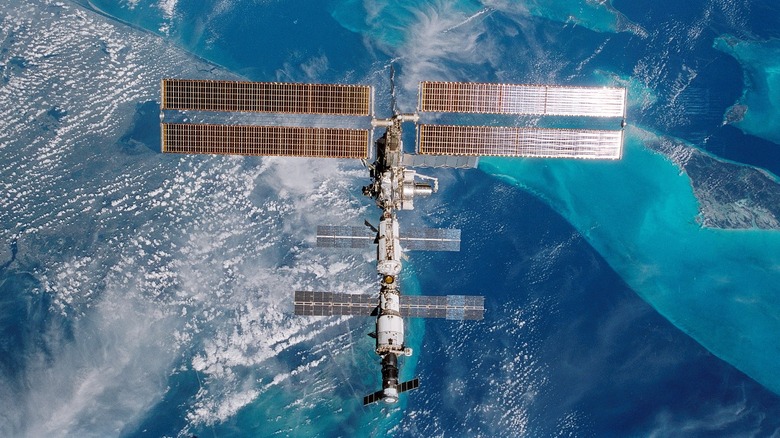
Researchers recently conducted an experiment during the Tanpopo 4 mission, where they mounted moss spores on the exterior of the International Space Station for 283 days. This was a significant step in understanding whether life from Earth could survive the extreme conditions of space. The results were promising, as the moss species Physcomitrium patens demonstrated remarkable resilience.
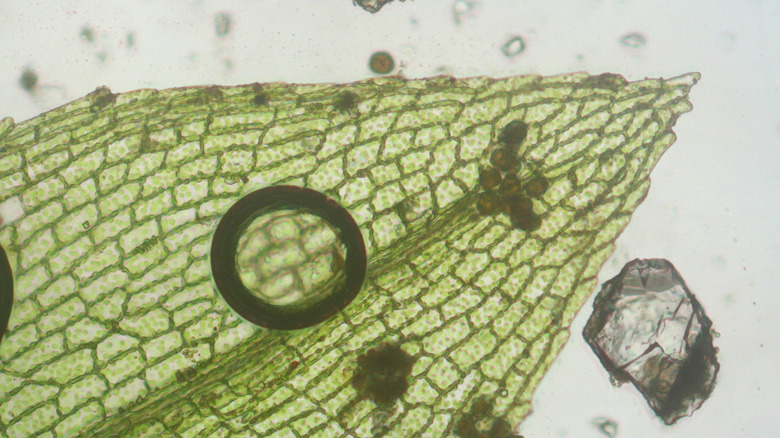
Moss undergoes several stages in its life cycle, but scientists specifically selected spores that were still encased in their sporophyte structures. These structures provided a level of protection that made the spores more resistant to harsh environmental factors. In particular, the encapsulated spores showed up to 1,000 times greater resistance to UV radiation compared to other forms of moss. Lab simulations revealed that these spores maintained an 80% germination rate after 30 days at -80 degrees Celsius and a 36% rate after exposure to 55 degrees Celsius.
The outer cell layers of the sporophyte act as a natural shield against drying out, radiation, and temperature extremes. Mosses are among the earliest terrestrial plants, and their ability to adapt to dry environments played a crucial role in their colonization of land. This adaptation is a testament to the evolutionary strategies that allowed bryophytes to thrive in such challenging conditions.
Moss Survives the Rigors of Space
After spending nine months attached to the exterior of the ISS, the moss spores showed an impressive 86% germination rate—compared to 97% for the control group kept on Earth. This result highlights the incredible resilience of moss under the most extreme conditions in space.
Among the various threats to the moss, UV radiation was identified as the most significant factor. Surprisingly, the extremes of temperature and the vacuum of space had minimal impact on germination rates. However, UV radiation caused an 11% drop in germination compared to the control specimens. All samples, regardless of UV exposure, showed approximately 20% chlorophyll degradation.
Even those protected by UV filters experienced similar levels of degradation, indicating that the intense visible and infrared light in space was likely responsible. This finding underscores how photosensitive these plants are when exposed to non-terrestrial environments. Moreover, this experiment marked the first time that scientists confirmed the survival of bryophytes after being exposed to space and returning to Earth.
Potential Implications for Space Agriculture
Using the data collected over the nine-month period, researchers developed a model suggesting that moss could potentially survive for around 5,600 days in space. However, this model has limitations, as it is based on only two data points—pre-exposure and post-exposure. More research is needed before a more accurate estimate can be established.
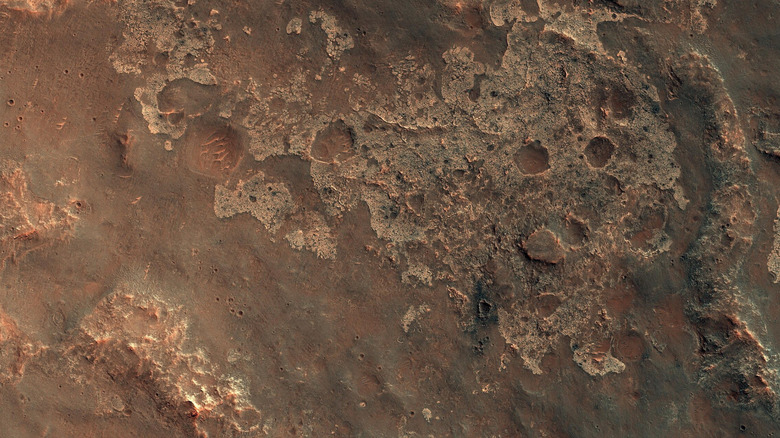
The findings have practical implications for future missions to the Moon and Mars. Mosses are considered "pioneer" species, meaning they play a key role in developing soil for more complex lifeforms. On Earth, peat moss serves a similar function. Scientists have identified bryophytes like moss as potential candidates for bio-regenerative life support systems in space stations or planetary bases.
Compared to traditional crops or other simple plants like algae, moss offers several advantages. Its ability to survive in low-light environments makes it ideal for space stations or colonies located far from the sun. Additionally, moss can produce oxygen while fixing carbon dioxide, addressing two critical environmental concerns simultaneously.
This experiment marks a significant shift in space agriculture, moving it from theoretical concepts to tangible possibilities. Addressing food security in long-term space settlements is one of the most critical challenges, and this study brings us one step closer to making off-planet living more sustainable.

Posting Komentar untuk "Moss Grew on the ISS for Months – Here's What Happened"
Posting Komentar