
Rainy Day Photography: The Perfect Camera Use Solution
Mastering Still Life Photography with Natural Light
Still life photography is often perceived as a complex and resource-intensive endeavor, requiring vast spaces and an array of lighting equipment. However, for beginners or those looking to pass the time on a rainy day, it's entirely possible to create stunning still life images from the comfort of your home using only natural window light.
On cloudy days, the soft, diffused light that filters through windows can be ideal for still life photography. This type of light avoids the harsh shadows and overexposure that can occur during midday sun. By positioning your subject side-on to the window, you can achieve a classic single-light effect, where one side of the subject is illuminated while the other remains in shadow. This contrast adds depth and dimension to your image.
Simple Tips for Beginners
Here are some essential tips to help you get started:
- Set up your subject side-on to a window to capture the best lighting
- Place your arrangement in front of a relatively plain backdrop
- Think carefully about your arrangement: consider the relationship between objects, the narrative you want to tell, the textures, and the colors
- Frame your arrangement using a tripod to ensure stability
- Use manual mode or aperture priority for greater control
- Set an aperture of f/8 or f/11 to maximize depth of field
- Choose a low ISO to maintain image quality
- Since the subject is still, a slow shutter speed won't be an issue
- Focus on the subject or just in front of it to ensure sharpness throughout the frame
- Use an exposure delay mode or remote shutter release to avoid camera shake
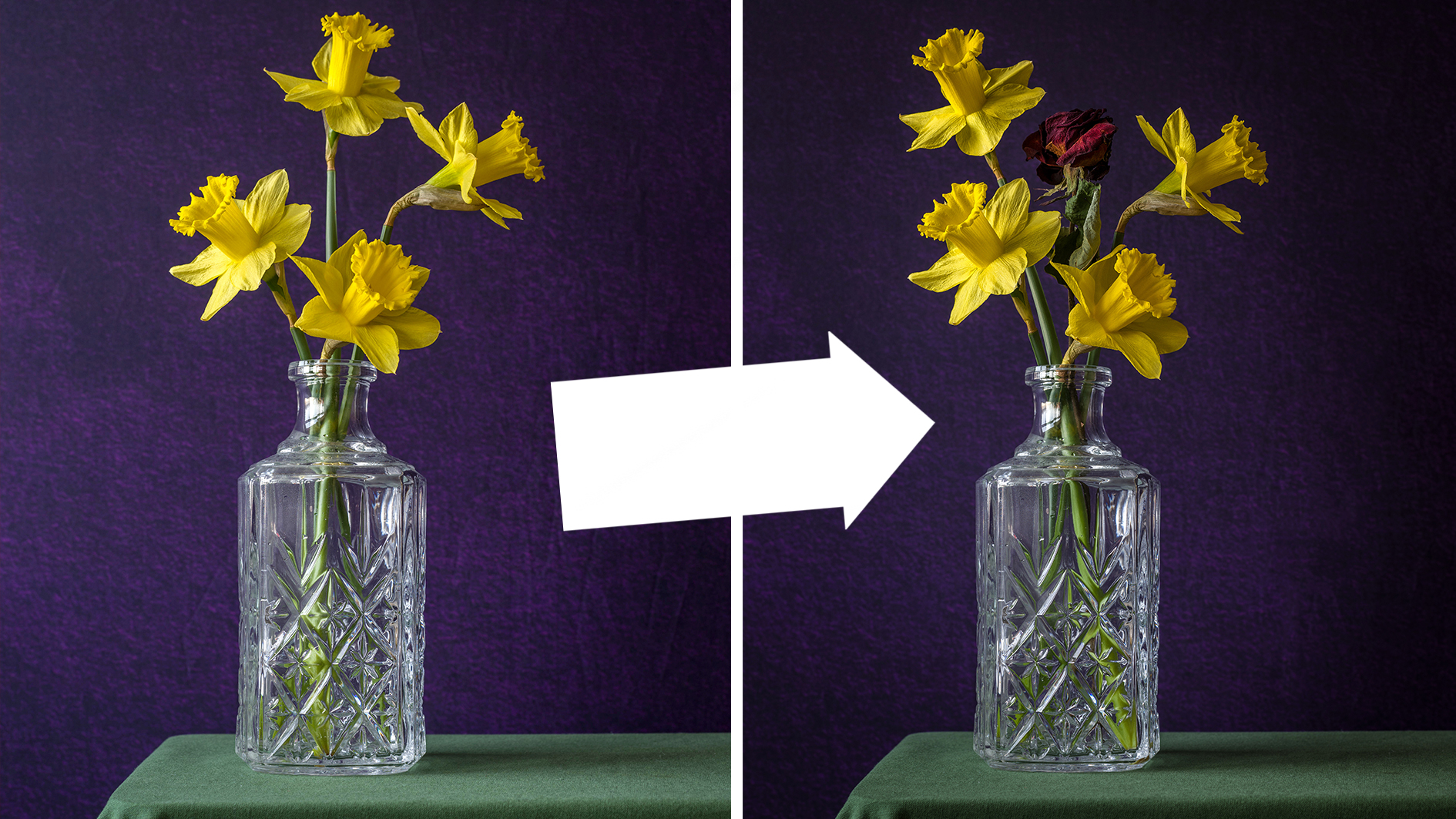
When selecting subjects for your still life, you can use anything you have at hand. Classic still life subjects include pottery, flowers, and fruits. Many traditional still-life paintings feature objects that symbolize death, known as memento mori. Feel free to use objects to tell a story or convey a message. Your background should also be considered—opt for something that isn’t too busy, such as a dedicated photography backdrop, a bare wall, or a piece of cloth.
The Art of Arrangement
Improving your still life photography goes beyond mastering your camera settings. While technical skills are important, the most critical aspect is the arrangement of your subject. Spend time thinking about your layout and what message or emotion you want to convey to the viewer. Consider elements like texture, color harmony, and the depth of the image.
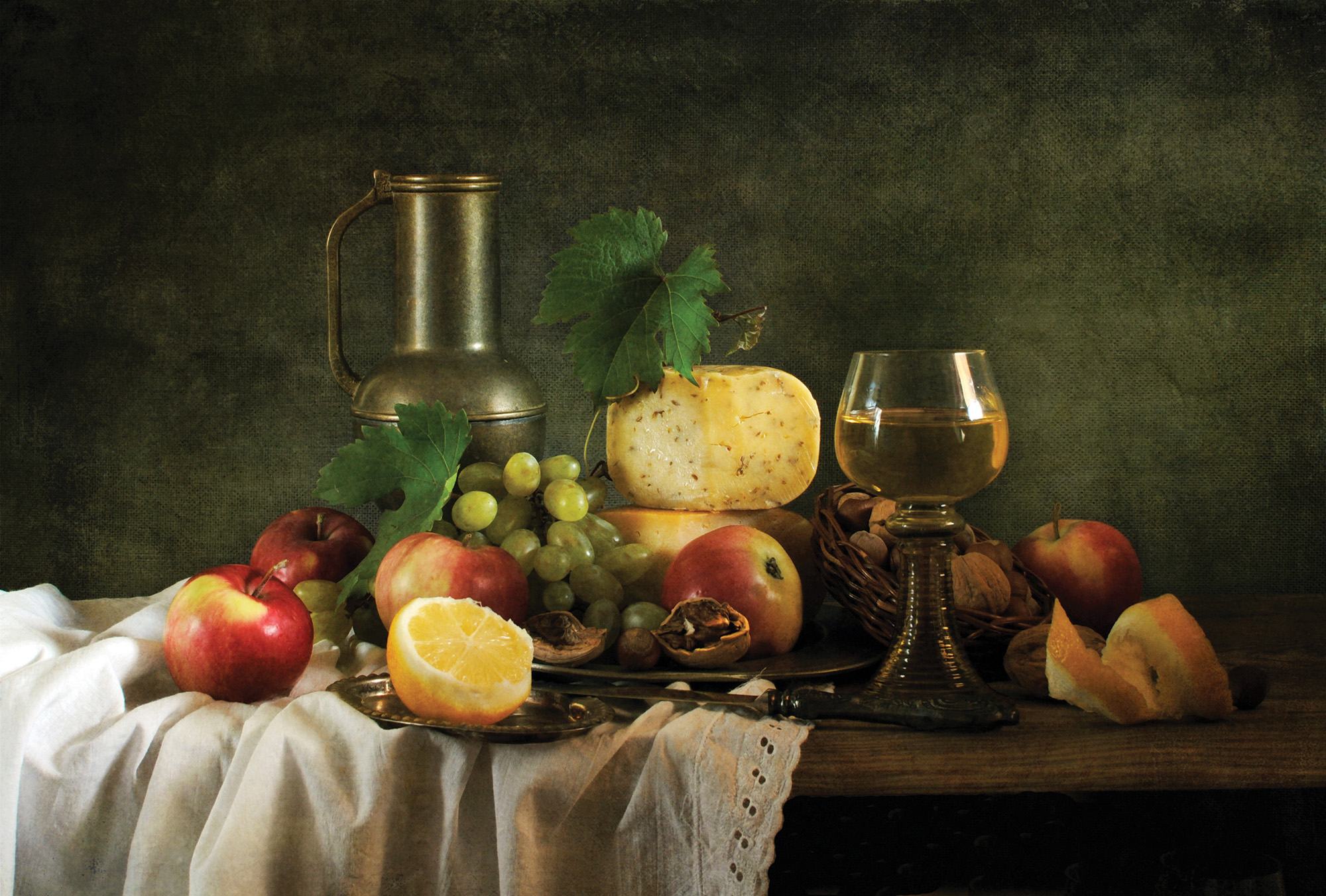
When taking the actual photo, you’ll likely be working in low light conditions, making a sturdy tripod essential. An aperture of f/8 or f/11 should provide sufficient depth of field to keep your subjects sharp. Avoid increasing your ISO too much, as this can introduce noise. Since your subjects are stationary, you can use a longer exposure to gather enough light for a well-exposed image.
Focusing on your subject is key, but don’t hesitate to experiment with different focus points. Sometimes, focusing slightly in front of your main subject can result in sharper foreground elements while keeping the subject in focus. Tools like focus peaking can help you visualize this effect.

If natural light isn’t working for you, consider trying light painting. This technique involves using a long exposure and manually brushing light from a torch over your arrangement. It’s a more advanced method that may require trial and error and some post-production work, but it can be a great alternative when you don’t have access to dedicated lighting equipment.
Additional Resources
If you're interested in editing your still life photos, check out the best photo editing software and the best MacBooks for photo editing. For more tutorials, explore landscape photography tips and other related guides.
For more stories like this, follow us on MSN by clicking the +Follow button at the top of this page.

Posting Komentar untuk "Rainy Day Photography: The Perfect Camera Use Solution"
Posting Komentar