
Ray Dalio: Middle East Emerges as Capitalists' Silicon Valley
The Middle East's Rise as an AI Powerhouse
Bridgewater Associates' founder, Ray Dalio, has drawn comparisons between the Middle East's emergence as a leading AI hub and the technological boom of Silicon Valley. During an interview with HAWXTECH.NET, Dalio highlighted the growing momentum in the region, noting that "there's a buzz here, the way there's a buzz in San Francisco, places like that."
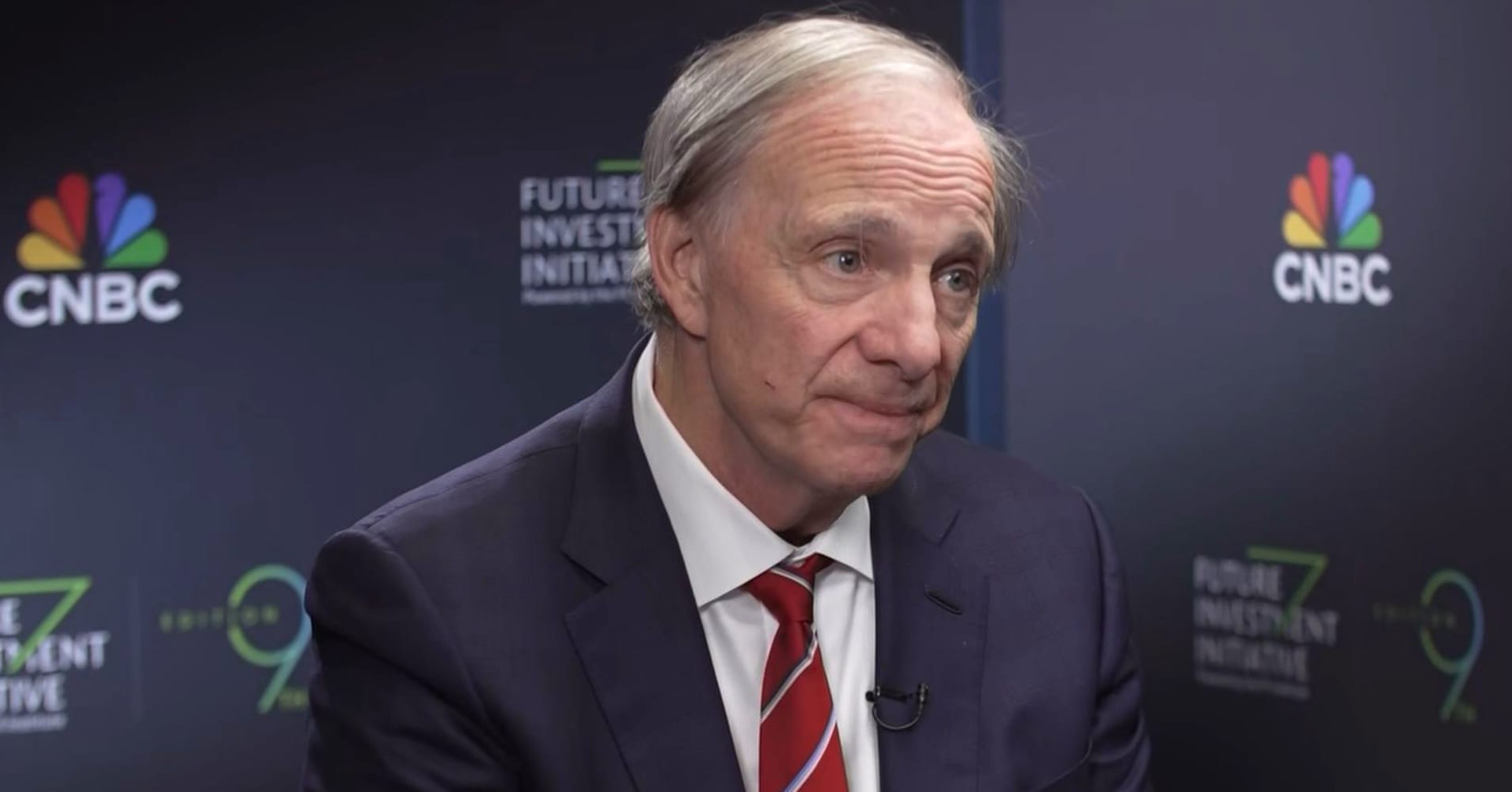
The Middle East is rapidly becoming one of the world’s most influential centers for artificial intelligence, according to Dalio. He pointed to the United Arab Emirates (UAE) and its neighboring countries as key players in this transformation. These nations have combined substantial financial resources with a surge of global talent, creating a compelling environment for investment managers and AI innovators.
This development is supported by significant investments in AI infrastructure. This year, the UAE and Saudi Arabia have launched multibillion-dollar initiatives to build cloud computing systems, data centers, and other essential AI infrastructure. These efforts are backed by sovereign wealth funds and partnerships with global technology companies.
One notable example is a $10 billion agreement between Google Cloud and Saudi Arabia's Public Investment Fund. This collaboration aims to establish a "global AI hub" within the country, part of a broader strategy to host data centers and AI workloads locally. Additionally, tech giants such as OpenAI, Oracle, Nvidia, and Cisco have joined forces to create a major Stargate artificial intelligence campus in the UAE.
When asked whether he believes the UAE, Saudi Arabia, and Qatar can lead in the AI race, Dalio responded positively. He emphasized that these countries have focused on developing talented individuals, which has helped transform the region into what he calls "a Silicon Valley of capitalists." According to Dalio, this has attracted both money and talent from around the world.
Dalio, who has been visiting Abu Dhabi for over three decades, described the Gulf's transformation as the result of deliberate statecraft and long-term planning. He praised the UAE as "a paradise in a world that's troubled," citing its leadership, stability, quality of life, and ambition to build a globally competitive financial ecosystem.
He noted that the region now shares a similar energy to Silicon Valley when it comes to AI and technology. "There's a buzz here, the way there's a buzz in San Francisco, places like that," he said.
A Precarious Future for the Global Economy
Despite the positive developments in the Middle East, Dalio warned that the global economy faces an uncertain future in the next few years. He reiterated his concerns about the current market conditions being in a bubble, pointing to the convergence of three major cycles: debt, U.S. political conflict, and geopolitics.
The global debt burden is already causing stress in various parts of the market. Dalio highlighted cracks in private equity, venture capital, and debt refinancing sectors. "We're in a bubble, I believe, by almost all of those measures," he said, drawing parallels to the 2000 bubble but not the 1929 crash.
He also predicted increased political disruption in the U.S. ahead of the 2026 elections. "As we go into the 2026 elections, you will see a lot more conflict in different ways," Dalio said. He added that high interest rates and concentrated market leadership make the situation even more vulnerable.
"The problem is that every country cannot continue to accumulate the debt they have, yet politically they can't raise taxes or cut benefits. So they're stuck," he explained. This fiscal dilemma contributes to rising domestic polarization, with populism on both the left and the right creating irreconcilable differences.
Navigating the AI Bubble
Dalio also addressed concerns about an AI bubble, acknowledging that the market may be overvalued. However, he advised investors not to rush to exit just because valuations are stretched. "You don't want to get out of it just because of the bubble. You want to look for the pricking of the bubble," he said.
The catalyst for the bubble's burst, according to Dalio, often comes from tighter monetary policy or a forced need to sell assets to meet obligations. He also warned of potential stress in venture capital, private equity, and commercial real estate, where cheap debt is now rolling over at higher rates.
With the AI sector continuing to attract massive investment, the challenge for investors lies in identifying the right timing to act without falling victim to market volatility.

Posting Komentar untuk "Ray Dalio: Middle East Emerges as Capitalists' Silicon Valley"
Posting Komentar