
Redefining Concrete Durability
The Challenge of Concrete Durability
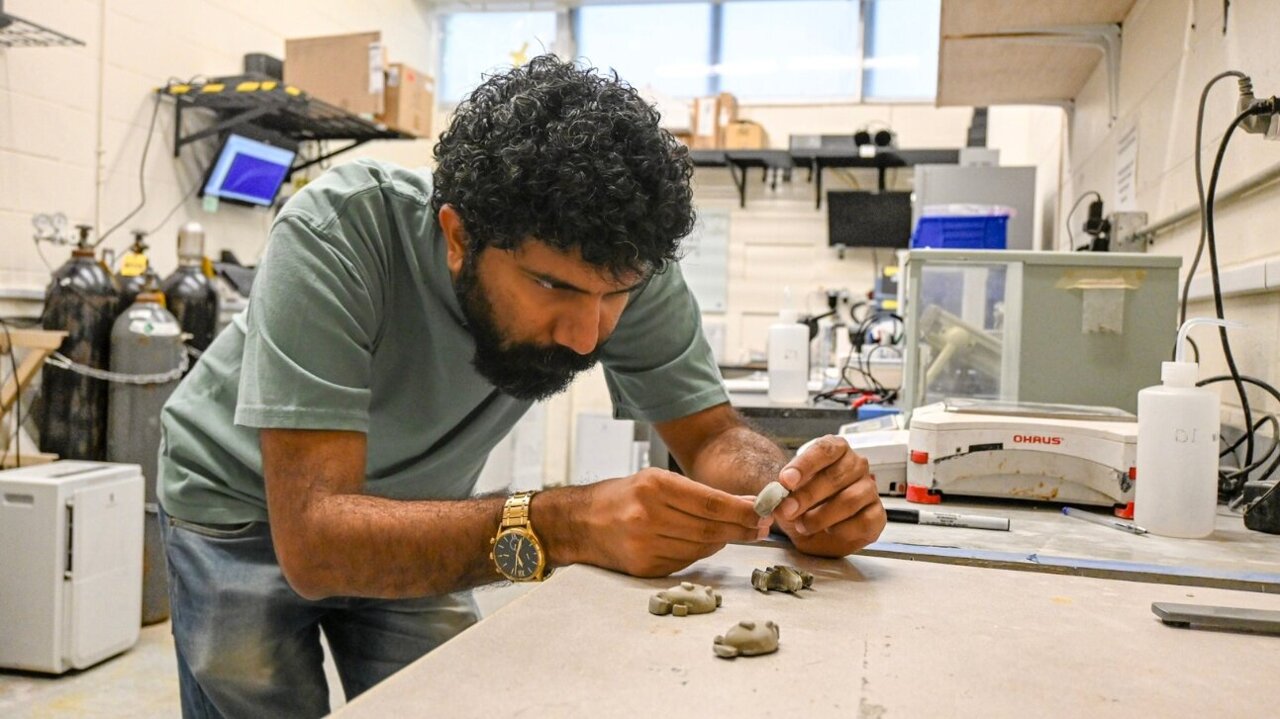
As infrastructure ages, one pressing question emerges: How do we ensure that the materials used in construction will last? This issue is becoming increasingly critical as cities worldwide face the challenges of aging structures and the need for sustainable development. At the forefront of this effort is Prannoy Suraneni, an associate professor of civil and architectural engineering at the University of Miami College of Engineering.
Suraneni is actively involved with RILEM, the International Union of Laboratories and Experts in Construction Materials, Systems and Structures. Through his leadership, he is working alongside researchers globally to enhance our understanding of concrete durability. His work is particularly focused on the vulnerabilities of concrete to environmental chemicals, such as sulfates and chlorides.
Understanding Chemical Vulnerabilities
Sulfates and chlorides are salts commonly found in soil, water, and coastal air. Over time, these substances can penetrate concrete, leading to significant degradation. Sulfates weaken the concrete itself, while chlorides corrode the steel reinforcement within it. These slow but damaging processes are among the primary reasons why concrete structures fail prematurely.
This year, Suraneni's efforts with RILEM have reached a significant milestone. Three major open-access review papers on sulfate attack, chloride diffusion, and chloride binding were published in Materials and Structures. These publications provide a comprehensive overview of how the scientific community should evaluate the chemical processes that contribute to long-term deterioration in concrete.
A Call for Better Testing Methods
The three papers highlight a central conclusion: the field requires simpler, more scientifically grounded methods for testing durability at the materials scale. By reviewing decades of research, the authors identified gaps in current testing methods for sulfate and chloride exposure. They proposed practical approaches for studying how cement responds to harmful salts. These recommendations can help researchers and industry professionals compare results more reliably and determine which materials are suitable for real-world infrastructure projects.
These advancements come at a crucial time for the construction sector. As the industry seeks to reduce the carbon footprint of concrete, engineers are turning to supplementary cementitious materials. These include more sustainable ingredients such as fly ash, slag, calcined clays, and other emerging binders. While these alternatives offer promising environmental benefits, their long-term performance must be measured with accurate and trusted methods.
Coastal Challenges and Global Impact
South Florida serves as an ideal backdrop for this work due to its harsh exposure conditions. Saltwater intrusion, coastal flooding, and marine air create challenging environments for concrete in seawalls, bridges, and foundations. Suraneni's leadership within RILEM ensures that the needs of coastal communities are reflected in emerging global guidelines. This also positions the University of Miami as a key contributor to international materials research.
In recognition of his contributions, Suraneni was recently named a RILEM Fellow, one of the organization's highest distinctions for senior members who have made exceptional contributions as researchers, engineers, and educators. He previously received the RILEM Gustavo Colonnetti Medal in 2021 for outstanding early-career research.
Expanding Knowledge Through Webinars
Suraneni also hosts RILEM's ROC and TOK webinar series, which features global experts discussing advances in construction materials. These episodes are available online for those interested in learning more about the latest developments in the field.
Key Publications and Research
For those interested in diving deeper into the research, the following publications are available:
- Qiao Wang et al, "Sulfate attack testing approaches from concrete to cement paste: A review by RILEM TC 298-EBD," Materials and Structures (2025). DOI: 10.1617/s11527-025-02759-x
- Neven Ukrainczyk et al, "Test methods for chloride diffusivity of blended cement pastes: a review by RILEM TC 298-EBD," Materials and Structures (2025). DOI: 10.1617/s11527-025-02809-4
- Fabien Georget et al, "Measuring chloride binding in cementitious materials: A review by RILEM TC 298-EBD," Materials and Structures (2025). DOI: 10.1617/s11527-025-02802-x
These studies represent a significant step forward in understanding and improving the durability of concrete, ensuring that future infrastructure is both resilient and sustainable.

Posting Komentar untuk "Redefining Concrete Durability"
Posting Komentar