
Regrets Over a Robot Vacuum Purchase
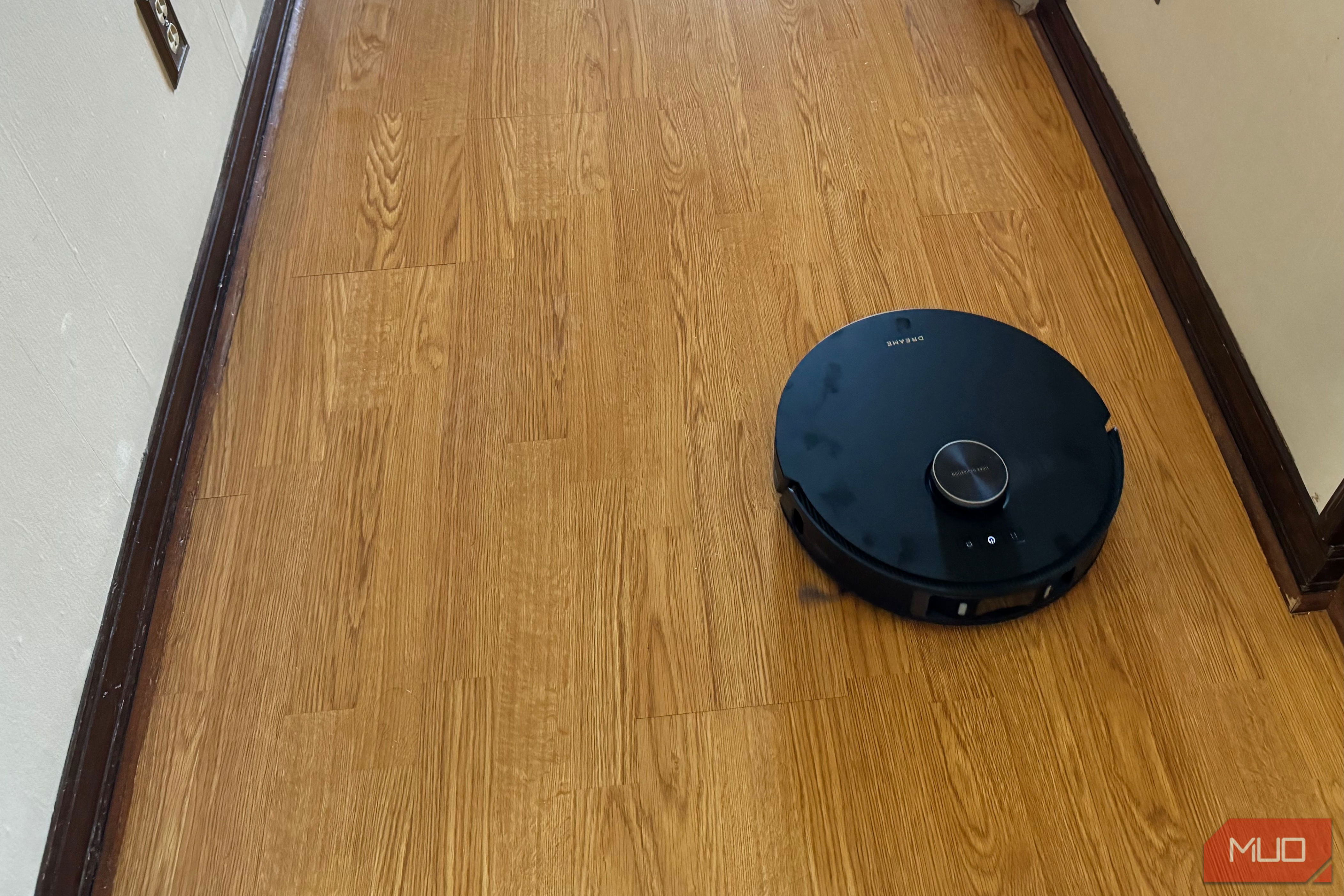
The Promise and the Pitfalls of Robot Vacuums
Robot vacuums are often marketed as "set-it-and-forget-it" devices, promising homeowners a hassle-free way to keep their floors clean. However, in practice, these machines frequently fall short of expectations. Over the years, I've tested numerous robot vacuums, and despite advancements in technology, many of the same issues persist.
Manufacturers today tout a range of features that supposedly make robot vacuums more efficient. These include self-emptying dustbins, automatic mopping capabilities, and self-cleaning brushes. In addition, modern models come equipped with precision mapping technology, AI-powered obstacle avoidance, and even voice control. Despite these innovations, the reality is that these features don't always translate into a better user experience.
The Little Things Add Up
One of the main reasons people are drawn to robot vacuums is convenience—no more pushing a bulky vacuum around the house. Unfortunately, even the most advanced models still require some level of human intervention. You have to clear their paths of objects like pet toys, stray socks, and cords that might be lying around. Some high-end units also struggle to navigate around table legs or under certain furniture.
Mapping technology is another area where robot vacuums often fail. Most models use LiDAR or onboard cameras to create a virtual floor plan and allow users to set "no-go zones." However, they can still get stuck on smaller stationary objects such as non-bulky chairs, tables, pet water bowls, or area carpets. If something messy spills on the floor, like a drink or a pet accident, you're left with a manual cleanup task. Hair caught in the wheels is another common issue that usually requires manual attention.
Maintenance and Space Concerns
Robot vacuums also require regular maintenance to function effectively. This includes replacing brushes at least once a year, as well as HEPA and dustbin bags more frequently. Additionally, you need to clean the machine itself, both inside and out, since these devices don't just pick up dust—they also accumulate it on surfaces, sensors, and wheels.
Another drawback is the size of all-in-one robot vacuums. Models with self-emptying docks and mopping functions can be quite bulky and take up a lot of space when not in use. Noise is another concern; depending on the size of your home, the vacuum could run for hours, potentially disrupting activities like watching TV, sleeping, or working from home.
Mobility and Longevity Issues
If you have more than one floor in your home, you'll need to move the vacuum from floor to floor manually. Unlike traditional vacuums, robot vacuums are not designed for easy mobility between levels. Furthermore, like other smart devices, robot vacuums are considered disposable tech. Over time, it may become harder to find replacement parts, and the associated apps might degrade, limiting the machine's functionality.
The mobile apps that accompany robot vacuums are not always user-friendly, which can add to the frustration. While these apps offer additional features, they often complicate the user experience rather than simplify it.
Cost Considerations
Finally, there's the cost. Unless you opt for a cheap model—which I don't recommend—robot vacuums can be quite expensive. Prices typically range from $400 to $1,500, with some high-end models like Dyson costing even more. This investment doesn't always guarantee the hands-free experience that many expect.
The Silver Linings
Despite these drawbacks, robot vacuums do have their place. They can be particularly useful in compact apartments, dorm rooms, or smaller spaces with fewer obstacles. They are also beneficial for those looking for a daily cleaning solution, especially if they lack the energy to clean manually.
Robot vacuums perform well on flat surfaces like kitchen floors, where there are fewer obstacles and dirt is easier to locate and clean. Spot-mopping with compatible models is also effective in these areas.
Limited Benefits
While robot vacuums promise effortless cleaning, they often deliver more headaches than convenience. Unreliable navigation, frequent maintenance, and the constant need for supervision can outweigh the benefits they offer. They are best suited for small, simple spaces, but anyone expecting a truly hands-free experience will likely be disappointed.
In conclusion, while robot vacuums have their advantages, they may not be the right choice for everyone. For many, a traditional vacuum and mop combination offers a better balance of control, performance, and peace of mind.

Posting Komentar untuk "Regrets Over a Robot Vacuum Purchase"
Posting Komentar