
Single vs. tandem axle semi-trucks: Key differences revealed

Understanding the Importance of Axle Configurations in Semi-Trucks
Semi-trucks come in various configurations, and one of the most notable differences is the number of axles they use. Some trucks have a single axle, while others have tandem axles. This choice isn't just about design—it has significant implications for performance, cost, and compliance with regulations.
An axle on a semi-truck is the shaft that connects the left and right wheels and allows them to spin. It also supports the brakes, wheels, and suspension. The number of axles affects weight distribution and how the truck behaves on the road. There are different types of rear, non-steering axles, including drive axles, which transfer engine power to the wheels, and tag or pusher axles, which are load-bearing but not connected to the engine.
The Single-Axle Advantage: Why Less Can Be More
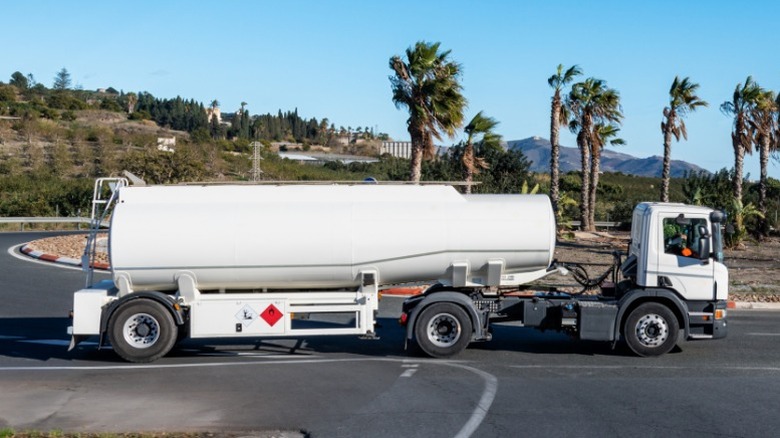
Single-axle semi-trucks use one drive axle in the rear. This configuration can lead to several benefits, especially for local hauls. By eliminating a second drive axle, the truck becomes lighter, which directly impacts fuel efficiency. Fuel costs are a major expense for commercial fleets, and reducing weight can significantly lower these costs. Additionally, fewer tires mean less drag, making the truck accelerate more easily and consume less fuel.
Maintenance costs also decrease with a single-axle setup. Fewer tires and brake components mean less work for mechanics and less time spent in the workshop. Maneuverability is another key advantage. Single-axle trucks are shorter and have a tighter turning radius, typically around 35 to 45 feet, making them ideal for navigating tight spaces like alleys, docks, and warehouse yards. They are also more common in European markets due to strict length regulations.
For short-distance transportation, single-axle trucks can be more efficient. Studies show that they can deliver up to 30% more cargo in the same timeframe compared to larger tandem-axle trucks when driving in urban areas. Plus, the initial cost of a single-axle semi is often lower than that of a tandem-axle model.
The Tandem Advantage: Compliance and Payload Capacity
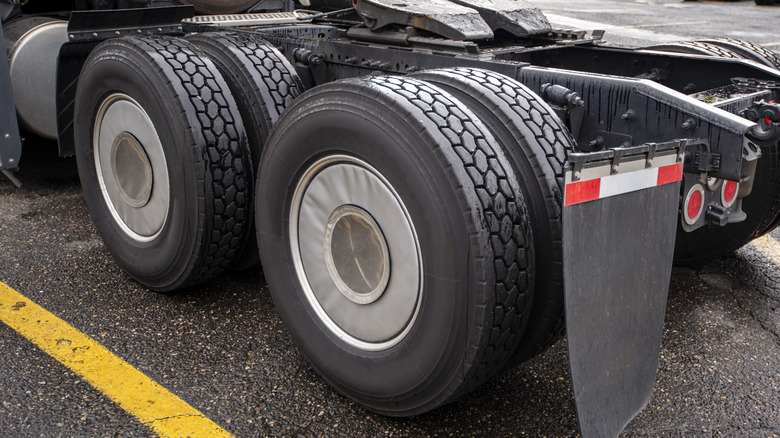
Tandem-axle setups use two powered axles placed close together. While they are heavier and consume more fuel, they offer better weight distribution, reducing stress on individual parts and protecting the truck’s frame from concentrated weight. This makes them more durable and less prone to mechanical breakdowns over time.
Compliance is another critical factor. Federal law limits Interstate travel to 80,000 pounds, but individual states may impose stricter limits on single axles. A single drive axle is typically capped at around 20,000 pounds, and exceeding this limit—even if the total weight is under 80,000 pounds—can result in violations. Tandem axles, rated for 34,000 pounds, help distribute weight properly and keep the truck within legal limits.
Tandems are essential for long-haul freight, as they can legally carry heavier loads and handle the structural demands of moving equipment, containers, and bulk cargo. They also provide better stability, reducing vibrations that can damage delicate freight. On rough terrain, inclines, or winter conditions, tandems offer improved traction due to twice the contact patches transmitting power to the ground.
The Legal Considerations: The Bridge Formula
When choosing an axle configuration, it's important to consider the Federal Bridge Formula Weights. This formula regulates the maximum allowable weight based on the number of axles and their spacing. Concentrated weights can cause structural fatigue on bridges, so the formula ensures that weight is distributed safely.
Longer trucks spread weight over a greater area, reducing stress on bridges, while shorter wheelbases concentrate weight and increase strain. This interplay between axle spacing, group limits, and state-level rules makes choosing the right configuration crucial. Failure to comply can result in heavy fines, sometimes exceeding $10,000 for even minor overages.
Modern Solutions: Lift Axles and Steering Axles
Modern technology has introduced new solutions, such as lift axles and dual-steer front axles. Lift axles can be raised or lowered depending on the load, reducing rolling resistance and tire wear when not needed. This provides the flexibility of a tandem setup without the extra weight during light loads.
Dual-steer front axles improve maneuverability, especially at low speeds. These systems allow the second axle to turn slightly in coordination with the main front axle, reducing the turning circle and making tight spaces easier to navigate. At higher speeds, the system stabilizes, improving tracking and reducing driver fatigue.
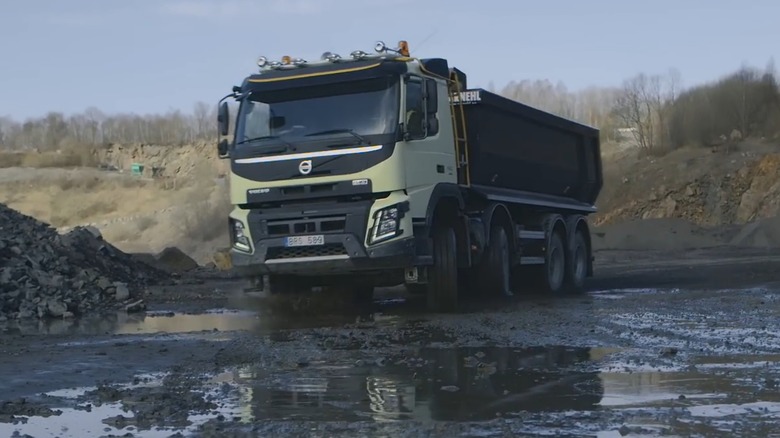
Volvo’s dynamic steering for dual front axles is a prime example. This system enhances maneuverability in tight areas while maintaining stability at higher speeds, offering a practical solution for modern fleet operators.


Posting Komentar untuk "Single vs. tandem axle semi-trucks: Key differences revealed"
Posting Komentar