
Steam Might Come to Phones, Tablets, and Arm Devices
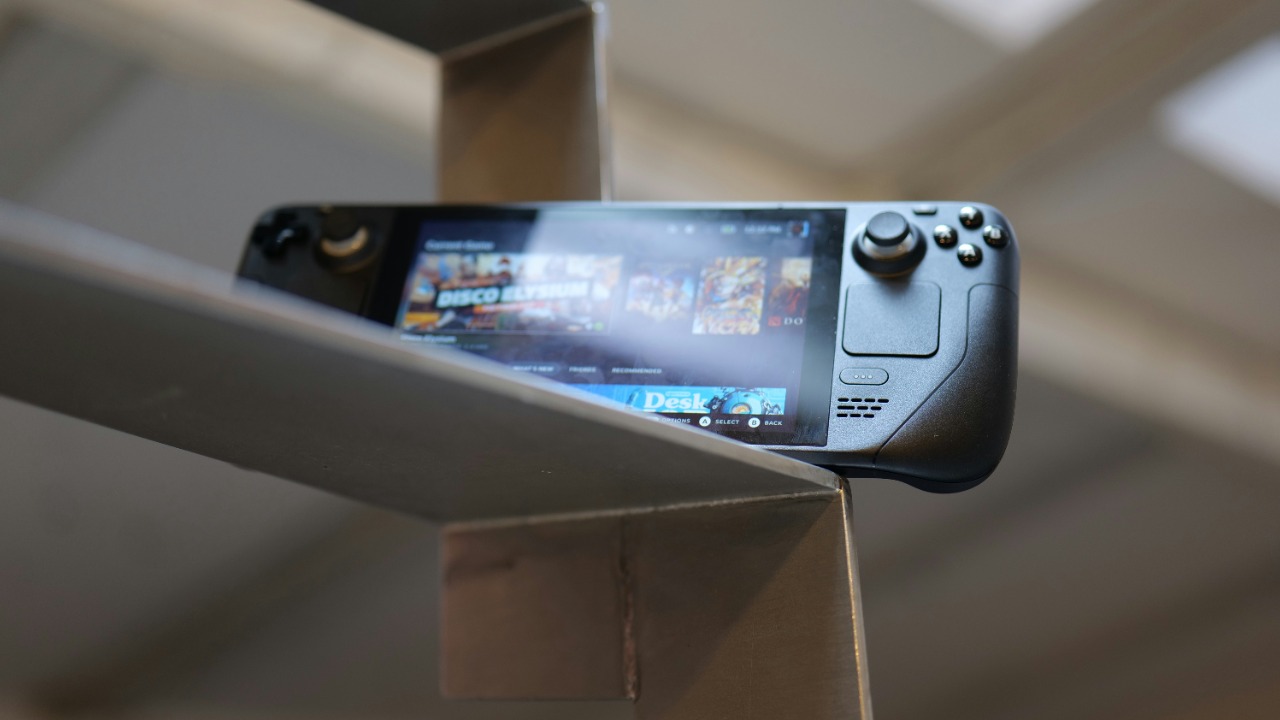
Valve is quietly building the foundations for a world where full-fat PC games no longer live only on x86 desktops and handhelds, but also on phones, tablets, and other Arm hardware. Instead of chasing a flashy SteamOS phone, the company is investing in compatibility layers, Arm-native SteamOS work, and new tools that could eventually let an Android handset or Arm laptop tap into the same Steam library as a gaming PC. If that effort pays off, the line between “mobile” and “PC” gaming could start to blur in ways that matter for players, developers, and hardware makers alike.
Valve’s Arm strategy is bigger than any one device
When I look at Valve’s recent moves, the pattern that emerges is not a single product push but a platform play aimed at making Steam’s catalog follow players onto whatever silicon they use. Reporting on a rare, deeply technical briefing describes how Valve is laying the groundwork so that a phone can become “a real Steam gaming machine,” with the company treating Arm hardware as an eventual target for PC gaming rather than a side experiment, and that ambition is already shaping how it approaches SteamOS and compatibility tech across the board.
That same briefing explains that Valve is not just thinking about Arm in isolation, but about how to make existing PC games run on Arm hardware without forcing developers to rebuild everything from scratch, which is why the company is backing translation layers and Arm-native operating system work in parallel. In practice, that means the Steam Deck, future ultraportables, and even phones are being considered as part of a single continuum, with Valve positioning Steam as the connective tissue that lets players move between devices while keeping their libraries intact, a vision that underpins the idea that your phone could one day become a real Steam gaming machine.
From Steam Machine to Steam Deck, and now beyond x86
Valve’s current Arm push makes more sense in the context of its earlier hardware experiments, from the Steam Machine initiative to the Steam Deck. In an interview, Valve’s Pierre Loup Griffais, one of the architects behind SteamOS and the Steam Deck, traces how lessons from those projects informed the company’s decision to pursue Arm as a way to reach lower power devices, and he frames the new work as an evolution of the same effort to unshackle PC gaming from the traditional desktop tower.
Griffais explains that when Valve originally first announced the Steam Machine the Steam frame the new controller, there was already “something that sort of hinted at a longer term project,” and that long-term thinking is now surfacing in the form of Arm-focused SteamOS builds and compatibility research that could eventually touch phones and ultraportables. By tying the Steam Deck and SteamOS roadmap directly to Arm, Griffais signals that Valve sees the architecture as a key part of its future, a point underscored when Valve’s Pierre Loup Griffais talks about extending SteamOS beyond the Steam Deck to a wider range of Arm-based hardware.
Quiet funding, loud implications: Fex and Windows games on Arm
The most concrete sign that Valve is serious about Arm is the money it has been pouring into open-source projects that make Windows games run on non-x86 chips. Reporting reveals that Valve has quietly backed projects to bring Windows games to Arm since as far back as 2016, with all the core Fex developers funded so they can focus on building a translation layer that lets existing PC titles run on Arm without developers rewriting them.
Fex’s lead developer, Ryan Houdek, has confirmed that this work is already paying off, describing how Valve’s focus on the project allowed him to get it off the ground and reach performance that can compete with an x86 native system, which is crucial if Arm devices are going to feel like real gaming options rather than compromised ports. By bankrolling this kind of low-level compatibility tech, Valve is effectively subsidizing the hard part of making Windows games run on Arm phones, tablets, and laptops, a strategy detailed in coverage of how Valve Has Quietly Backed Projects to Bring Windows Games to Arm.
Steam Deck as the bridge to Arm ultraportables
Valve’s handheld is not just a successful product, it is also a testbed for the company’s broader hardware ambitions, including Arm. The Steam Deck lead has said that when you get into lower power, anything lower than Steam Deck, there is an Arm chip that maybe makes more sense, and that perspective helps explain why Valve is funding Arm compatibility of Windows games to expand PC gaming and release ultraportables in the future.
That same Steam Deck lead argues that the goal is for players not to worry about what games run, which implies a future where a Steam Deck successor, an Arm-based handheld, or even a compact laptop can all access the same library with minimal friction. The suggestion that lower power devices will likely lean on Arm, combined with Valve’s investment in translation layers, hints that the Steam Deck 2 or similar hardware could pivot architectures while still feeling like part of the same ecosystem, a direction outlined when Steam Deck lead reveals Valve is funding ARM compatibility for Windows games.
Steam Frame and the Android connection
While Arm work on the PC side grabs attention, Valve has also started to pull mobile platforms closer to Steam through the Steam Frame. The company has introduced a system where Valve’s Steam Frame Brings Android Games to Steam, effectively letting Android titles appear inside the PC ecosystem and signaling that the wall between mobile and desktop stores is starting to crack.
Coverage of the Steam Frame describes it as a move that could reshape mobile gaming, with Valve just making a move that looks like part of a larger strategic shift rather than a one-off experiment. In parallel, community discussions about Steam Gaming on Android via the Steam Mobile App note that with the Announcement of the new Steam Frame, it has been confirmed that Valve is at least exploring ways to bring more than just store browsing and chat to Android, a direction reflected in posts about Valve’s Steam Frame Brings Android Games to Steam.
Phones are in the picture, even if “SteamOS phone” is not
One of the more intriguing tensions in Valve’s messaging is that its engineers are talking openly about Arm phones as gaming targets while also tamping down expectations of a branded handset. A Valve engineer has been clear that people should not expect a SteamOS phone after the Steam Machine, even though the Steam Frame’s compatibility tech could eventually make phones that run Steam games without needing a Steam logo on them.
That stance suggests Valve wants to enable an ecosystem of Arm devices that can tap into Steam rather than owning the entire hardware stack, which would fit with its history of partnering with manufacturers on Steam Machines and VR headsets. It also lines up with Griffais’s comments that Valve’s current focus remains on living room, handheld, and desktop, even as the company quietly funds the pieces needed to run Windows games on phones, a balance captured when a Valve engineer said Don’t expect a SteamOS phone after the Steam Machine.
Arm SteamOS and the dream of “play anywhere” libraries
Underpinning all of this is a version of SteamOS that can run on Arm and still deliver access to the same games people expect on x86. Reporting on Valve’s secret Arm gaming push explains that Griffais expects Arm SteamOS to reach ultraportables and potentially more powerful laptops as Arm variants gain traction, with the goal of making entire Steam libraries playable across a wide range of devices.
That vision depends on more than just operating system ports, it requires a stack of open-source programs that can translate Windows calls, handle graphics, and manage performance on Arm without breaking compatibility. Valve has quietly funded multiple open source programs needed to run Windows games on phones, with While Valve has only just revealed its first Arm-based device, the company started thinking about developing for Arm as far back as 2016, and that long runway is what makes a “play anywhere” Steam library feel plausible rather than purely aspirational, as detailed in coverage of how Valve has been quietly funding the technology to bring Windows games to Arm.
How Fex and SoC-focused work could unlock phones and tablets
The technical heart of Valve’s Arm push lies in how well translation layers like Fex can map x86 instructions and Windows APIs onto Arm-based systems-on-chip. Reports on Valve engineer confirmations describe how Fex’s lead developer, Ryan Houdek, has been able to get the project off the ground with Valve’s support and reach performance that is competitive with an x86 native system, which is essential if phones and tablets that utilize an SoC are going to become decent gaming options too.
By targeting SoCs directly, Fex and related projects can take advantage of the integrated GPUs and efficiency cores that define modern Arm chips, rather than treating them as underpowered PCs. That approach is what could eventually let a high-end Android phone or an Arm-based Windows tablet run a surprising slice of the Steam catalog locally, instead of relying solely on cloud streaming, a possibility that becomes clearer when a Valve engineer confirms Windows games on Arm through Fex.
Steam Deck 2, Apple, and the broader Arm wave
Valve’s timing is not accidental, it is riding a broader industry shift toward Arm that has already transformed phones and is now reshaping laptops and desktops. Analysis of Valve’s hardware hints notes that the game distribution giant has been funding open-source developers since 2016 to make Arm gaming possible, and more importantly, it hints that the Steam Deck 2 could switch to Arm as those efforts mature.
That potential pivot sits within a landscape where Arm processors dominate mobile devices and are making serious inroads into laptops and desktops, especially after Apple’s move to its own Arm-based chips, which has shown that high performance and efficiency can coexist on the architecture. Valve’s decision to quietly fund Arm gaming technology positions Steam to benefit from that trend regardless of whether players are on a Steam Deck, a Mac-style Arm laptop, or a future handheld, a strategy that aligns with reporting that Valve just dropped a massive hint that the Steam Deck 2 could embrace Arm.
Community expectations and Valve’s cautious messaging
As word of Valve’s Arm work spreads, expectations among PC players and mobile enthusiasts are rising faster than the company is willing to promise. Community threads about Steam Gaming on Android via the Steam Mobile App show how quickly people jump from a technical announcement to imagining full Steam libraries on their phones, especially when posts mention that with the Announcement of the new Steam Frame, it has been confirmed that Valve is pushing new development in that direction.
Valve, for its part, is careful to frame its ambitions in measured terms, with Griffais saying that whether the company has its own ambitions in the mobile space is yet to be seen and that Valve’s current focus remains on living room, handheld, and desktop, even as it funds the pieces that could make phones viable Steam clients. That cautious messaging reflects a desire to avoid repeating the overpromising that surrounded Steam Machines, while still leaving the door open for partners to build Arm phones and tablets that tap into Steam once the technology is ready, a balance captured in reporting that Valve Has Quietly Funded Multiple Open Source Programs Needed to run Windows games on phones.
What an Arm-powered Steam future could look like
If Valve’s Arm strategy pans out, the practical impact for players could be profound, even if it arrives gradually. Griffais expects Arm SteamOS to reach ultraportables and potentially more powerful laptops as Arm variants gain traction, which would mean a future where a thin-and-light notebook, a handheld, and a docked living room box all run some flavor of SteamOS on Arm and share access to the same games, with performance scaling to match the hardware.
At the same time, Valve’s work sits atop an industry where ARM processors dominate mobile devices and are making serious inroads into laptops and desktops, especially after Apple’s shift, so the company is effectively aligning Steam with the direction chipmakers are already heading. That alignment, combined with the Steam Frame’s bridge to Android and the community’s appetite for Steam Gaming on Android via the Steam Mobile App, suggests a scenario where phones and tablets become first-class citizens in the PC gaming ecosystem, even if Valve never ships a SteamOS phone of its own, a trajectory that is echoed in analysis of how Valve’s secret Arm gaming push aims to make entire Steam libraries playable anywhere.
The long game: from YouTube hype to real devices
For now, much of the excitement around Valve’s Arm work lives in technical briefings and enthusiast breakdowns, including videos that frame the Steam Frame and Arm compatibility as a potential turning point for Android and portable gaming. One such analysis argues that when Valve originally first announced the Steam Machine the Steam frame the new controller, there was already a sense that the company was playing a long game that could eventually change everything for Android, and that the current Arm push is the latest chapter in that story.
Those narratives can get ahead of reality, but they also reflect a genuine shift in how players think about where PC games can run, especially as more people use phones and tablets as their primary computing devices. Valve’s choice to quietly fund the unglamorous parts of Arm gaming, from Fex to SteamOS ports, while letting partners and the community speculate about hardware, suggests a strategy built for the long haul rather than a quick hardware splash, a perspective that surfaces in discussions of The Steam Machine the Steam frame and the new controller as early hints of today’s Arm ambitions.
Why Valve’s Arm bet matters for players and developers
For players, the upside of Valve’s Arm bet is straightforward: more ways to play the games they already own, on more devices, with fewer compromises. If Fex and related projects deliver on their promise, a future flagship Android phone or Arm laptop could run a substantial slice of the Steam catalog locally, while cloud streaming and remote play fill in the gaps, turning Steam into a kind of universal gaming layer that follows you from desk to couch to commute.
For developers, the picture is more complex but potentially just as attractive, because Valve’s approach aims to preserve the value of the existing Windows-focused library rather than demanding Arm-native ports for every title. By funding translation layers and operating system work that handle the heavy lifting, Valve is trying to ensure that a game built for Windows on x86 can still find an audience on Arm phones and tablets years later, which could extend the commercial life of PC games and make the platform more resilient as hardware architectures evolve, a goal that aligns with analysis of how Valve secretly funding Arm gaming is meant to keep Steam relevant across different offerings in that segment.
None of this guarantees that Steam will become a staple on phones and tablets overnight, and Valve itself is careful not to promise that outcome. Yet the combination of quiet funding, Arm SteamOS work, the Steam Frame’s Android bridge, and community interest in Steam Gaming on Android via the Steam Mobile App all point in the same direction: a future where Steam is less about a specific box under the TV and more about a flexible platform that treats Arm hardware, from ultraportables to smartphones, as first-class homes for PC games, a trajectory that is already visible in discussions sparked With the Announcement of the Steam Frame.
More from HAWXTECH.NET Did archeologists find 10-foot giants in Nevada cave? Astronomers track object entering solar system at impossible speed Toyotas water powered engine could signal the fall of EV’s Giant underground structures uncovered on mars by NASA

Posting Komentar untuk "Steam Might Come to Phones, Tablets, and Arm Devices"
Posting Komentar