
Time Flies Faster on Mars, Physicists Reveal Why
Understanding Time on Mars: A New Perspective
Clocks do not behave the same way throughout the universe. Their ticking speed can vary depending on the strength of gravity and other factors. This phenomenon is explained by Albert Einstein's theory of general relativity, which states that time is affected by gravitational fields. Based on this theory, experts have calculated how time passes on Mars.
According to a study published in The Astronomical Journal, clocks on Mars will tick 477 microseconds (millionths of a second) faster than those on Earth each day, on average. However, this difference can fluctuate due to the eccentric orbit of Mars and the gravitational influence of its neighboring celestial bodies. Over the course of a Martian year, the daily difference can reach up to 226 microseconds.
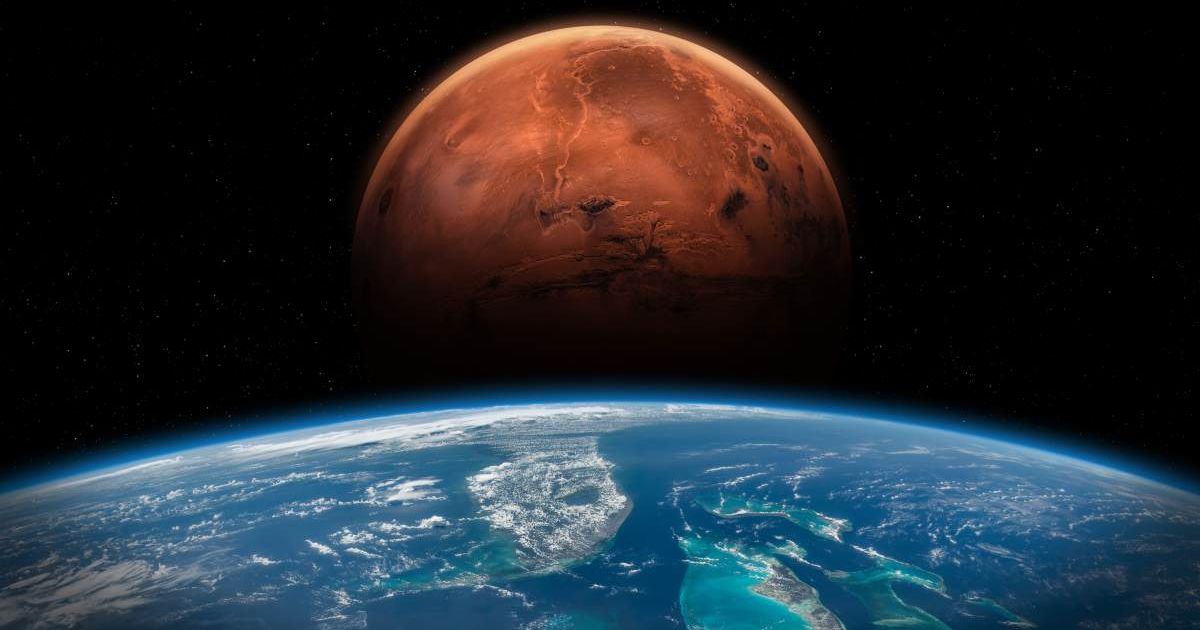
The research was conducted by Neil Ashby and Bijunath Patla from the National Institute of Standards and Technology (NIST) in the U.S. According to NIST, Patla remarked, “The time is just right for the Moon and Mars.” He added, “This is the closest we have been to realizing the science fiction vision of expanding across the solar system.” This finding highlights the importance of understanding time on other planets as space agencies like NASA plan future missions to explore Mars. Accurate synchronization of navigation and communication systems across the solar system will depend on this knowledge.
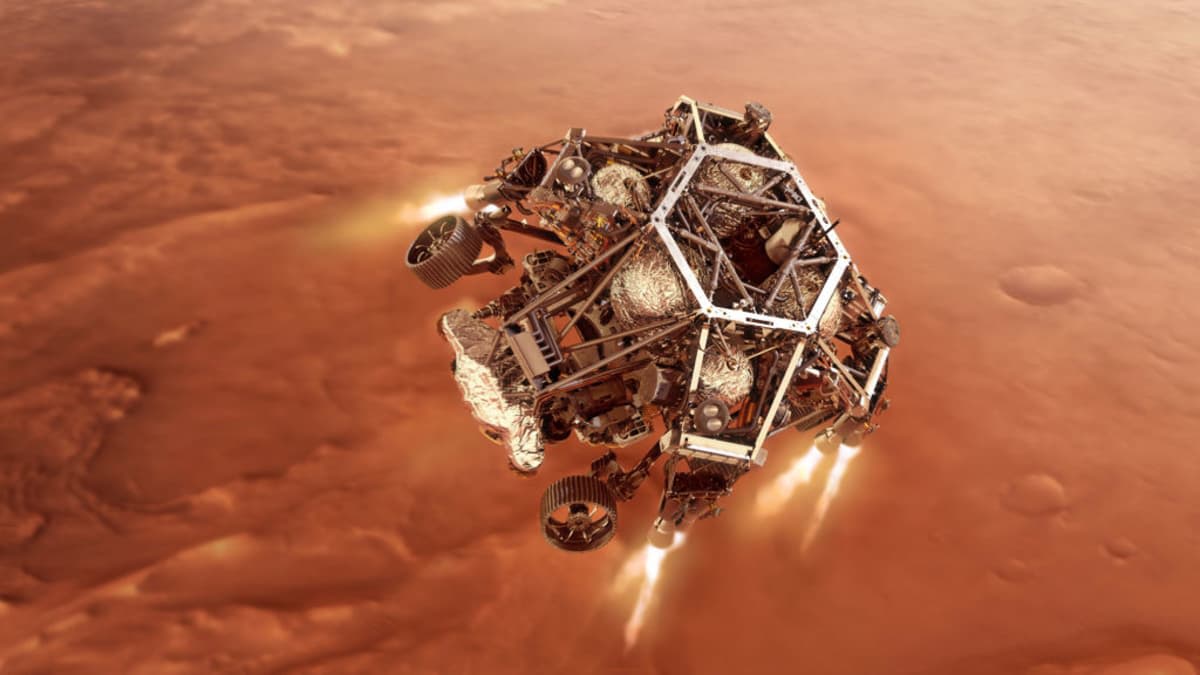
Compared to Earth, a day on Mars is 40 minutes longer, and a Martian year lasts 687 days. While these differences are well known, scientists were particularly interested in how time itself behaves on Mars. The goal was to determine how much time on Mars differs from that on Earth, similar to calculating a time-zone difference. An atomic clock taken to Mars would function the same, but a clock on Earth would appear out of sync with one on Mars. This discrepancy is rooted in Einstein’s theory of relativity, which explains that stronger gravity causes time to pass more slowly, while weaker gravity makes it pass more quickly.
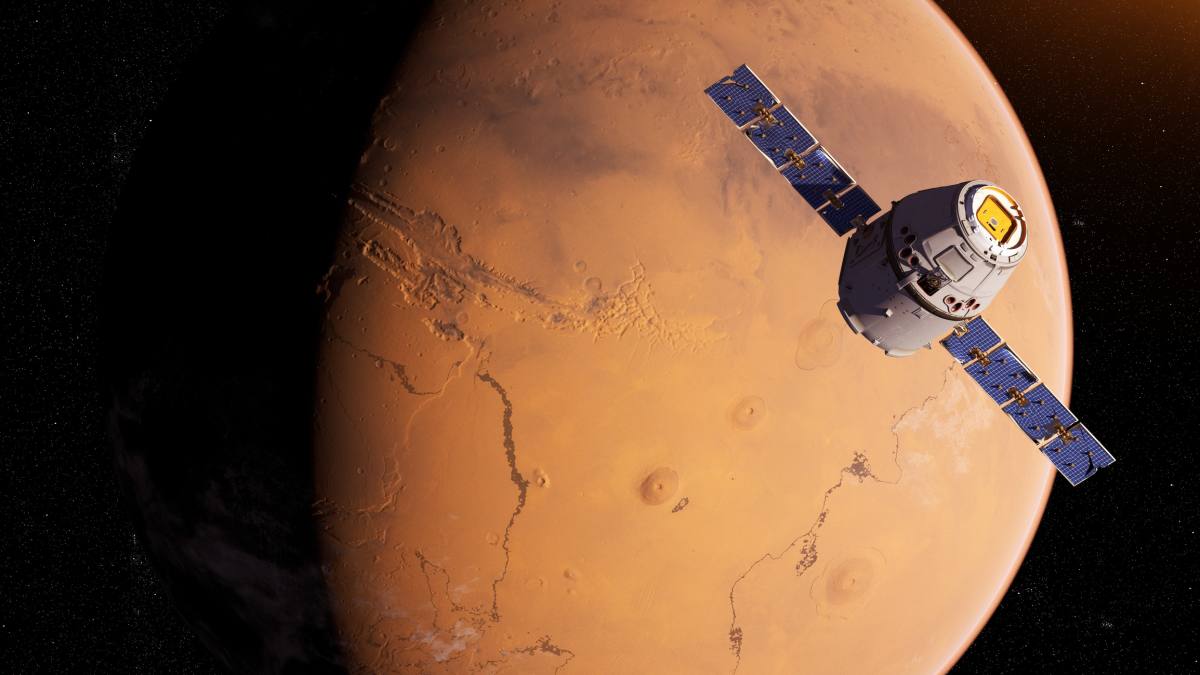
Gravity also affects the speed at which time passes. The researchers selected a point on the Martian surface as a reference and estimated that its surface gravity is five times weaker than Earth’s. They then accounted for the gravitational pull of external objects, including the Sun, Earth, the Moon, Jupiter, and Saturn. These forces contribute to the elongated and eccentric orbit of Mars. The team noted that the relative time difference between Mars and Earth is not constant.
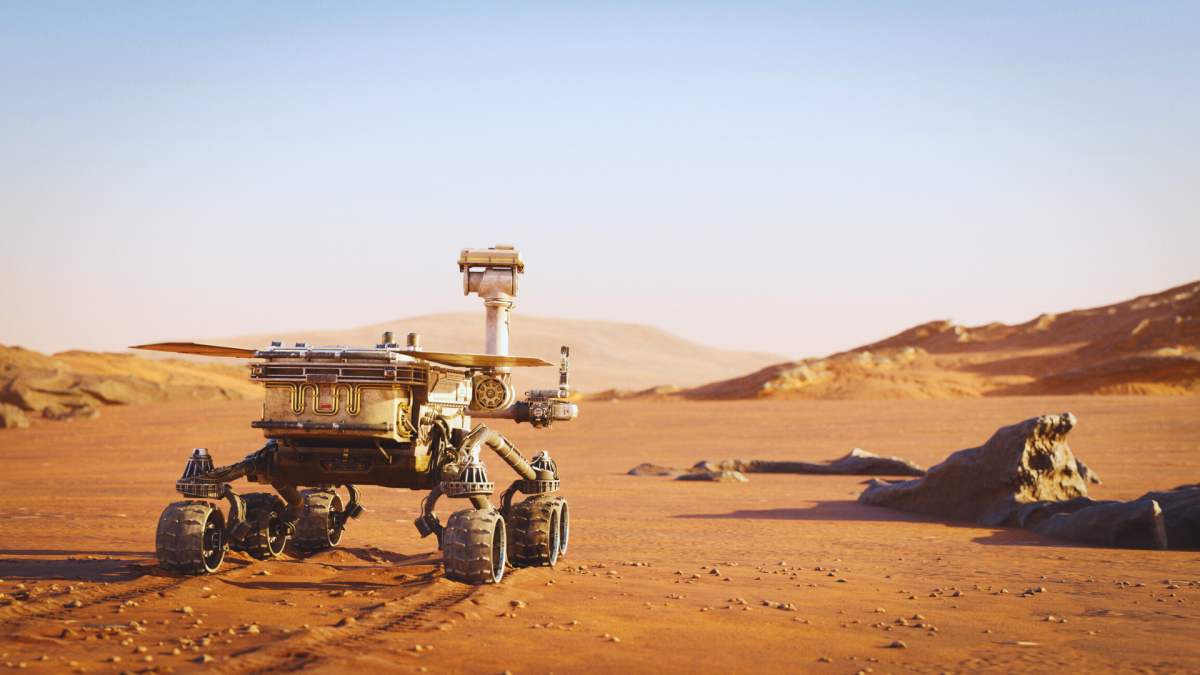
Patla explained, “Its distance from the Sun and its eccentric orbit make the variations in time larger. A three-body problem is extremely complicated. Now we’re dealing with four: the Sun, Earth, the Moon, and Mars.” To solve this, they considered the effects of Martian surface gravity, its orbital eccentricity, and the gravitational influences of the Sun, Earth, and the Moon. Understanding these time relationships is crucial for developing synchronized networks across vast distances.
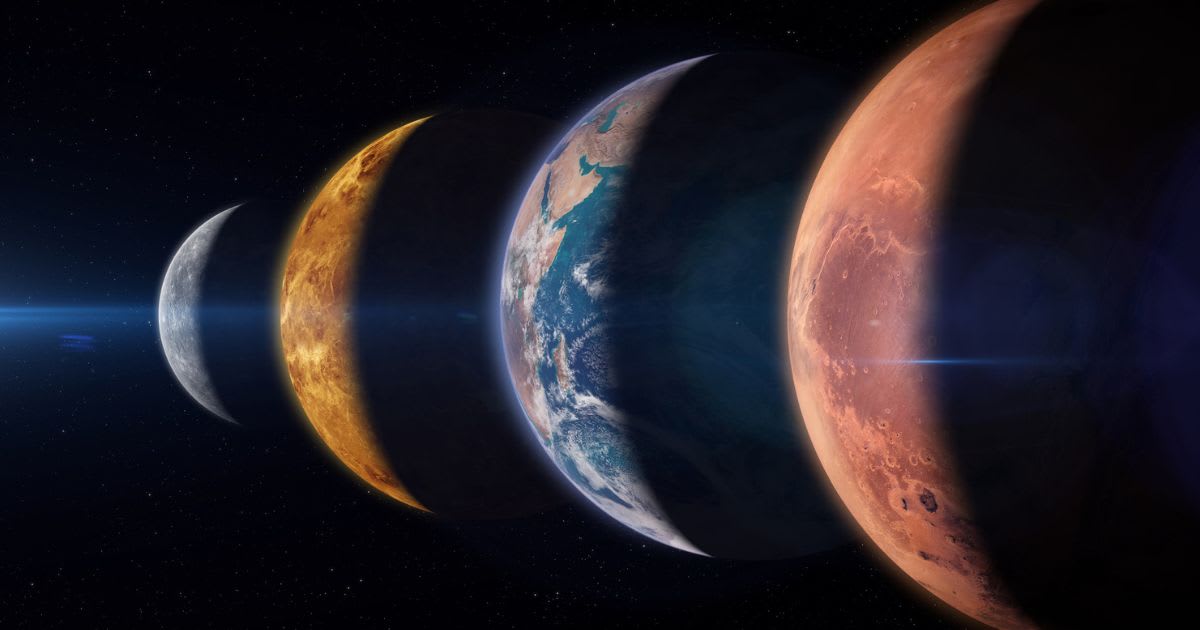
Data transmission between Earth and Mars can be delayed by four to 24 minutes or more. Accurate timekeeping helps address these delays, improving the efficiency of communication. Even small differences, such as 477 millionths of a second, play a critical role in ensuring precise data transmission. Synchronization allows for real-time communication, reducing data loss and increasing accuracy.
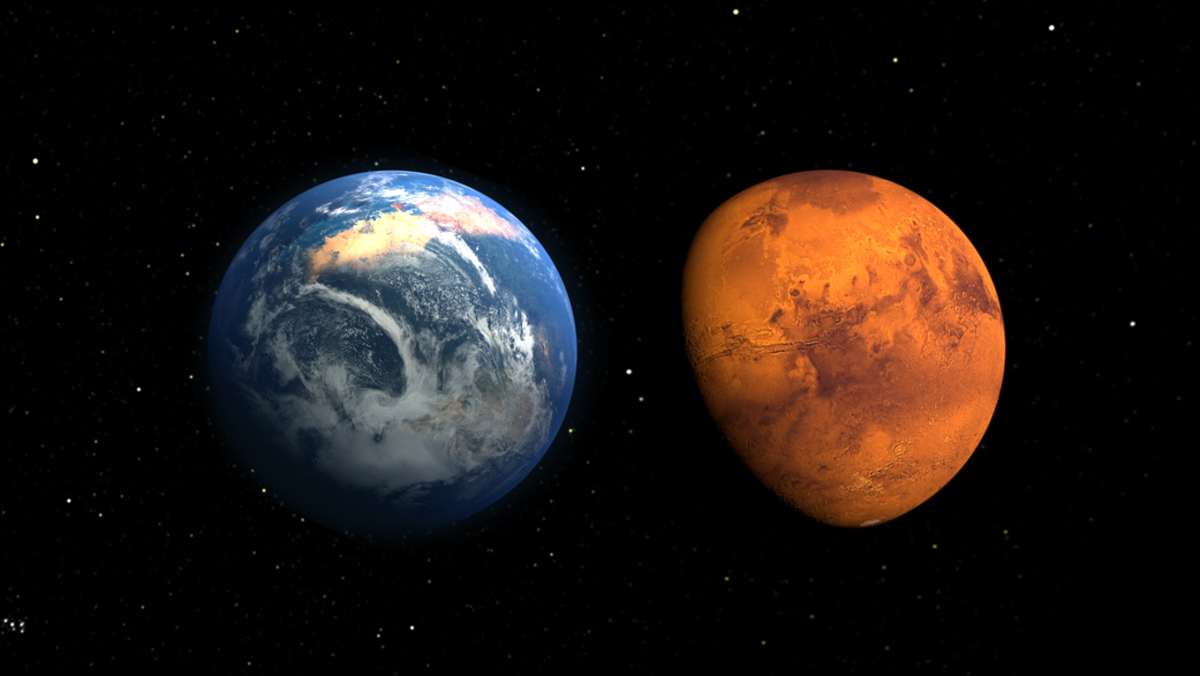
Ashby emphasized the importance of studying time differences for future planetary exploration. “It may be decades before the surface of Mars is covered by the tracks of wandering rovers, but it is useful now to study the issues involved in establishing navigation systems on other planets and moons,” he said. Accurate clocks are essential for navigating and communicating across the solar system.
More on HAWXTECH.NET
US Senator files bill for 'Mission to MARS Act,' giving the Johnson Space Center a makeover
New UK-built space vehicle aims to slash Mars travel time in half with breakthrough tech

Posting Komentar untuk "Time Flies Faster on Mars, Physicists Reveal Why"
Posting Komentar