
Vivian Indrawaty and the Rise of Mobile Esports in Southeast Asia
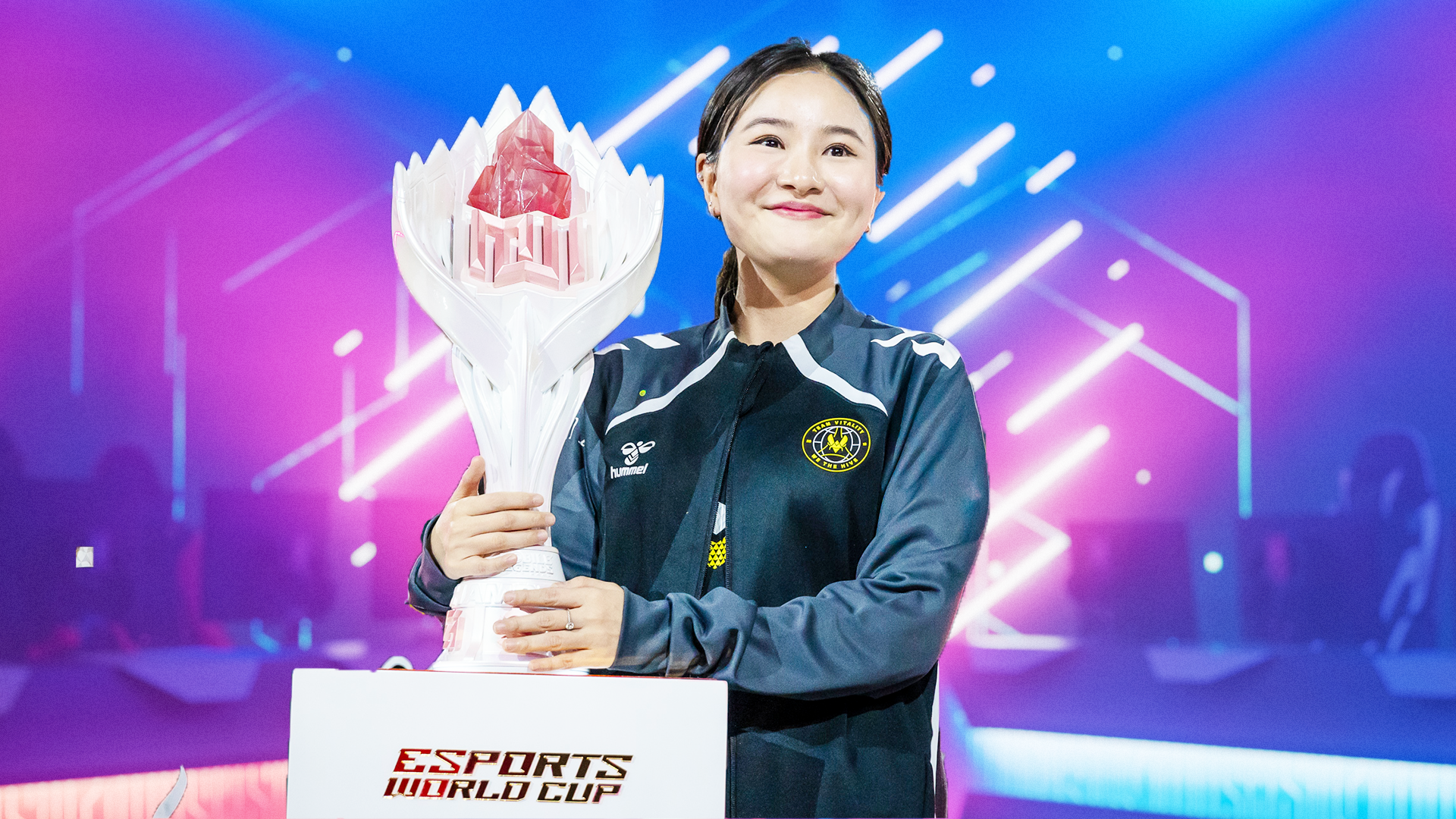
The Rise of Women in Esports
"I hope that women's leagues and teams inspire more women to pursue esports and prove that skill and hard work matter more than gender," Vivian Indrawaty, a Mobile Legends: Bang Bang (MLBB) world champion, shares. Her words reflect the mission of women's esports programs globally, aiming to create a more inclusive and equitable space for female players.
Vivian, known as "Vivian" in the gaming community, is a Roamer for Team Vitality, the team that claimed victory at the MLBB Women's Invitational 2025 in July. The entire roster of Team Vitality is from Indonesia, where the multiplayer online battle arena (MOBA) game is immensely popular. While League of Legends and DOTA 2 dominate the genre in North America, Europe, and South Korea, MLBB has become a phenomenon in Southeast Asia.
Mobile Legends: Bang Bang is often compared to League of Legends, but it offers a faster-paced gameplay experience. This characteristic has contributed to its popularity in regions where PC gaming culture is not as prevalent.
A Growing Presence in Southeast Asia
Among the teams that failed to defeat Vivian’s Team Vitality were several all-Filipina rosters, a Burmese team, a Mongolian team, a Malaysian team, and other international rosters. The mobile availability of MLBB, combined with its fast-paced nature, has allowed the MOBA to thrive in areas where traditional PC gaming is less dominant.
After an insightful conversation with Maya 'Caltys' Henckel, I became curious about the Eastern perspective on women's participation in esports and the broader industry.
"Being a professional gamer is accepted in Indonesia to some extent," Vivian explains. "While it's becoming more recognized as a legitimate career path, there are still some people who have a negative view of esports in general."
Indonesia is undergoing rapid changes, with patriarchal attitudes beginning to soften due to urbanization and economic growth. "Being a professional female esports player doesn't conflict with traditional gender roles in Indonesia, but I do often feel women are underestimated because we are women."
Vivian is the second participant in our Women in Esports Interview Series. If you'd like to share your perspective and participate, feel free to reach out to jack.c@HAWXTECH.NET.
Overcoming Misogyny in Gaming
Dismissive attitudes towards women are a common issue in competitive gaming. There are instances where women are not given tryouts for mixed teams based on their gender, and professional female players are sometimes disregarded in online play once they reveal their feminine voice.
"Yes, unfortunately, I've experienced [misogyny] before. It was challenging at times, but it also motivated me to prove myself and keep improving," Vivian says. She mentions facing casual sexism before turning professional and still encountering negative interactions with non-female teams in the professional sphere. "Sometimes we encounter sexism or misogyny, mostly during training sessions against other teams. Since we often scrim [practice] against men's teams, there are moments where sexism or dismissive attitudes come up, but we try to stay focused on playing and improving as a team."
These challenges highlight the need for 'incubators' like all-women's leagues. There are numerous social hurdles that women face when trying to enter the esports industry, including societal norms, misogynistic behavior or comments, and patriarchal attitudes in male-dominated spaces. Female leagues provide a safe environment for women to immerse themselves in professional esports without the added pressure of dealing with these social hurdles.
Skill Over Gender
One of the challenges of integrating women into esports is the persistence of ignorant attitudes towards women. A recent example involves a League of Legends professional who suggested that women shouldn't play competitive games while menstruating because they get too emotional to think clearly. This reflects the social dynamics that impact women trying to break into professional esports.
"Periods affect women differently, and for our team, it's never been a barrier," Vivian tells me. "We practice and play competitively without problems, and it doesn't affect our performance at all. Comments suggesting otherwise are just based on myths, not on the actual capabilities of women pro players."
Vivian has played on mixed rosters in the past and had positive experiences. Sexism is not universal in gaming, as the hobby skews toward younger people who tend to be more progressive on social issues.
"From my experience on a [mixed gender team], I didn't encounter any sexism when it came to getting a spot on the roster, as the team focused primarily on skill and performance. It was a great experience that showed me that talent and dedication matter more than gender in competitive gaming," she says.
A Progressive Future
There's no doubt that esports and gaming have a solid base to build a progressive future upon. It only takes one misogynistic attitude to change an organization's culture, but equally, one person speaking against prejudice can have an effect just as powerful.
Vivian and Team Vitality are extremely dominant in the women's MLBB scene, winning almost every tournament the team has competed in. The roster has also represented Indonesia at the Asian Esports Games 2024 and the IESF World Esports Championship, winning both. Vivian is ecstatic to be playing with Team Vitality, but she does tease, "Who knows what the future holds?" when asked about playing in mixed-gender Mobile Legends Bang Bang leagues.
"To all our fans and the community, thank you so much for your support so far," Vivian adds, looking ahead to the future. "Please continue cheering us on and being a source of motivation as we compete in all of the women's tournaments. Your encouragement really means a lot!"

Posting Komentar untuk "Vivian Indrawaty and the Rise of Mobile Esports in Southeast Asia"
Posting Komentar