
Why Are Some Ethernet Cables Blue?
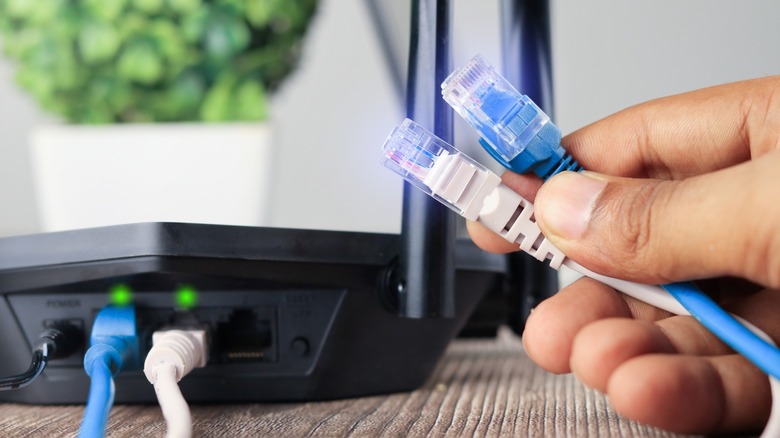
Wired internet connections have become a staple in many households and businesses, offering a more reliable alternative to Wi-Fi. These connections are made possible through Ethernet cables, which link devices directly to a router or network switch. While the convenience of Wi-Fi is undeniable, there are scenarios where switching to a wired connection can significantly improve performance — especially when dealing with unstable or slow Wi-Fi signals.
For most users, the color of an Ethernet cable might seem like a trivial detail. However, it's common to see cables in various hues, including black, blue, and even red. The truth is that the color of an Ethernet cable has no impact on its performance or quality. It’s purely a matter of aesthetics or organizational preference. Whether you choose a sleek black cable or a vibrant blue one, the underlying technology remains the same.
That said, colored Ethernet cables serve a practical purpose in environments with multiple devices. In home setups, the need for color-coding may not be as pressing, but in larger settings such as offices or server rooms, it becomes essential. Here, different colors help identify specific connections quickly, making maintenance and troubleshooting more efficient. For example, blue cables might be used for standard network connections, while red could be reserved for administrative systems.
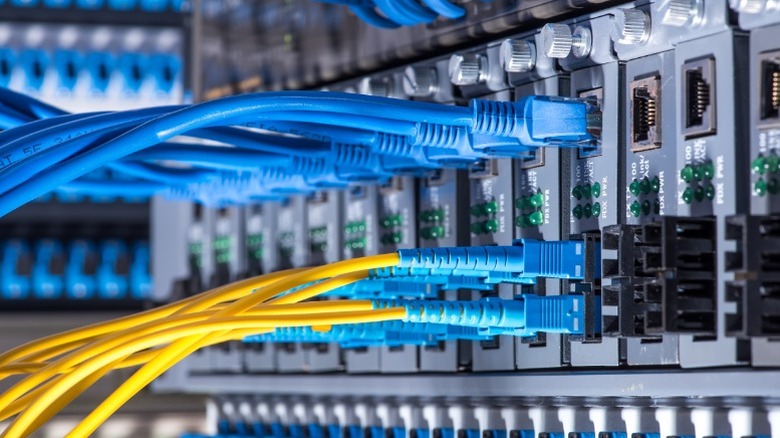
When shopping for Ethernet cables, it's important to understand that color is just one aspect of the decision-making process. Most consumer-grade setups will find black cables to be the most versatile option, as they blend well with other cables and hardware. However, in industrial or commercial environments, brighter colors like blue, white, and yellow are often preferred. These colors make cables more visible, helping to differentiate them from other types of cables running through the same space.
While there is no universal standard for assigning colors to specific purposes, many organizations develop their own color-coding systems based on their needs. This approach allows for greater efficiency, as technicians can easily locate and manage the right cables without confusion.
Factors that affect Ethernet cable quality and speed
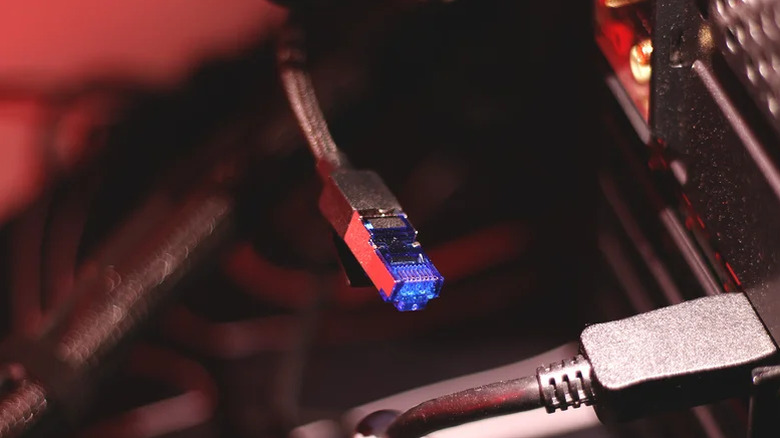
The performance of an Ethernet cable is determined by several key factors, not its color. One of the most important considerations is the cable's category, which dictates its maximum data transfer speed and overall reliability. Common categories include Cat 5e, Cat 6, Cat 7, and Cat 8. Each generation offers improved speeds and reduced latency compared to the previous one. For instance, Cat 5e cables support up to 1 Gbps, while Cat 8 cables can reach speeds of up to 40 Gbps.
Another factor to consider is whether the cable is shielded or unshielded. Shielded Ethernet cables provide better protection against electromagnetic interference (EMI), making them ideal for environments with high levels of electrical activity. However, they tend to be more expensive and less flexible than their unshielded counterparts. Unshielded cables, while slightly more vulnerable to interference, are often easier to install and more cost-effective.
For most home users, a basic Cat 5e cable should be sufficient for everyday tasks. However, if you're looking to future-proof your setup or need higher speeds for gaming, streaming, or large file transfers, upgrading to a higher-category cable may be worth considering. Affordable options like the Ugreen Cat 8 Ethernet Cable offer excellent value, with a 10-foot length available for around $9.99.
Whether you're setting up a simple home network or managing a complex business infrastructure, understanding the role of Ethernet cables goes beyond just their appearance. By focusing on the right specifications and organization strategies, you can ensure a stable and efficient internet connection for years to come.

Posting Komentar untuk "Why Are Some Ethernet Cables Blue?"
Posting Komentar