
Windows apps that began on Linux and are all free
Exploring Free and Open-Source Alternatives for Windows
Windows has a vast ecosystem of its own apps, but many of my current favorite apps for Windows actually started their digital lives on Linux. If you're looking for a few free or open-source alternatives to your conventional Windows apps, some of these options are a great place to start.
KDE Connect: Seamless Device Integration
Windows 11 can connect to a mobile device using Phone Link, but it requires an account, and I've never actually had great luck with it. My favorite alternative is an app called KDE Connect, which was actually originally developed for Linux and then moved to Windows. Unlike Phone Link, it doesn't require an account. Just connect both devices to the same Wi-Fi network, install the KDE Connect app, and you're good to go.
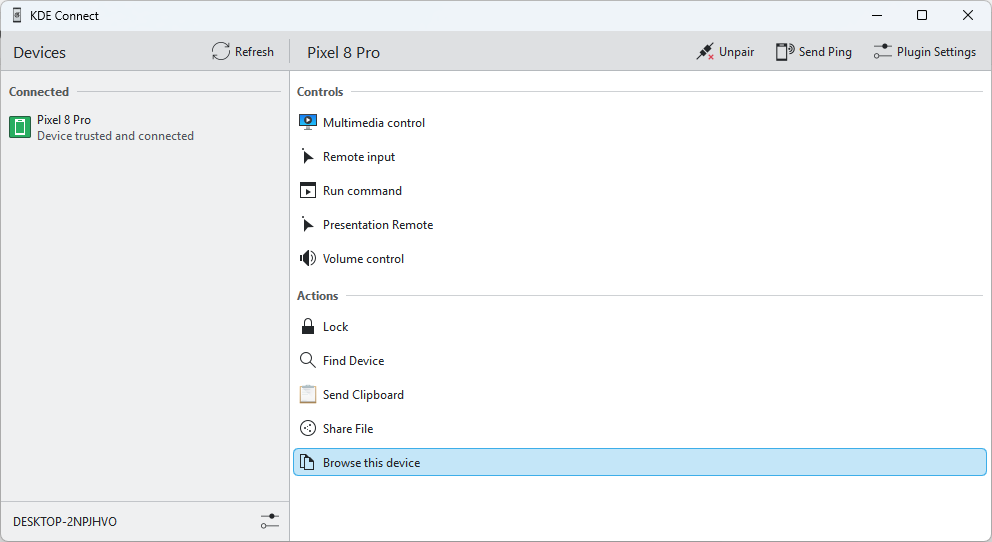
You can control one device using the other, send and receive files, and even send texts from your PC. Because it only works over your local network, you can be confident that your data is private and secure. File transfers are also as fast as your Wi-Fi speed, which is more useful than you might guess. I moved more than 100GB of videos off my phone onto my PC in a fraction of the time it would have taken to upload them to the cloud and redownload them, or transfer them over USB.
VLC: A Versatile Media Player
VLC has been available to Windows users for such a long time that everyone has forgotten, but it was originally released for Linux in 2001. Since then, it has become a mainstay among Windows users, since it can play just about any media file without missing a beat. Like most Linux apps, it is completely free, which is a very welcome change. There are a surprising number of paid media players out there still that VLC goes toe-to-toe with.
As an added perk, VLC is completely ad-free, and always has been. You don't have to worry that an accidental misclick somewhere is going to land you on some suspicious website trying to sell you a supplement.
Kdenlive: Powerful Video Editing
Adobe Premiere and DaVinci Resolve are probably the two most popular video editing programs for Windows users, and DaVinci Resolve even has the added benefit of being free. However, KdenLive, which was originally developed for Linux, is robust, capable, and remains one of my favorite apps for Windows, even though I don't use it as much as I used to.
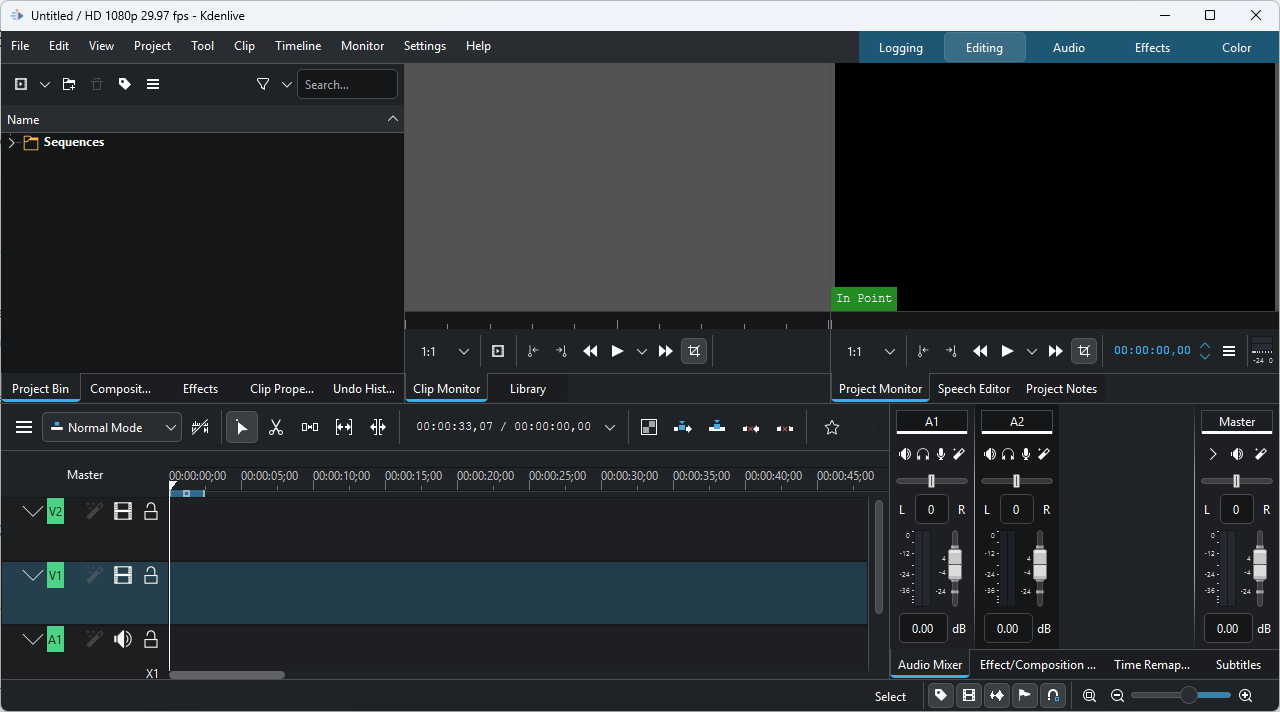
If you're looking for an app that can do most video editing, runs on a low-power PC as well as you could reasonably ask for, and costs nothing, KdenLive should be near the top of your list. It receives a steady stream of feature updates that keep it on-par with the premium, paid alternatives.
Calibre: Managing Your Digital Library
I collect all sorts of PDFs from Humble Bundle, Project Gutenberg, and many other places. Somewhere, I have a folder with the manuals for almost every PC component I've ever owned. Calibre is a Linux app that got ported to Windows that lets you sort books by author, publisher, series, and more. You can also use Calibre to mark up the digital books much like you would a real book, using a highlighter or a pen.
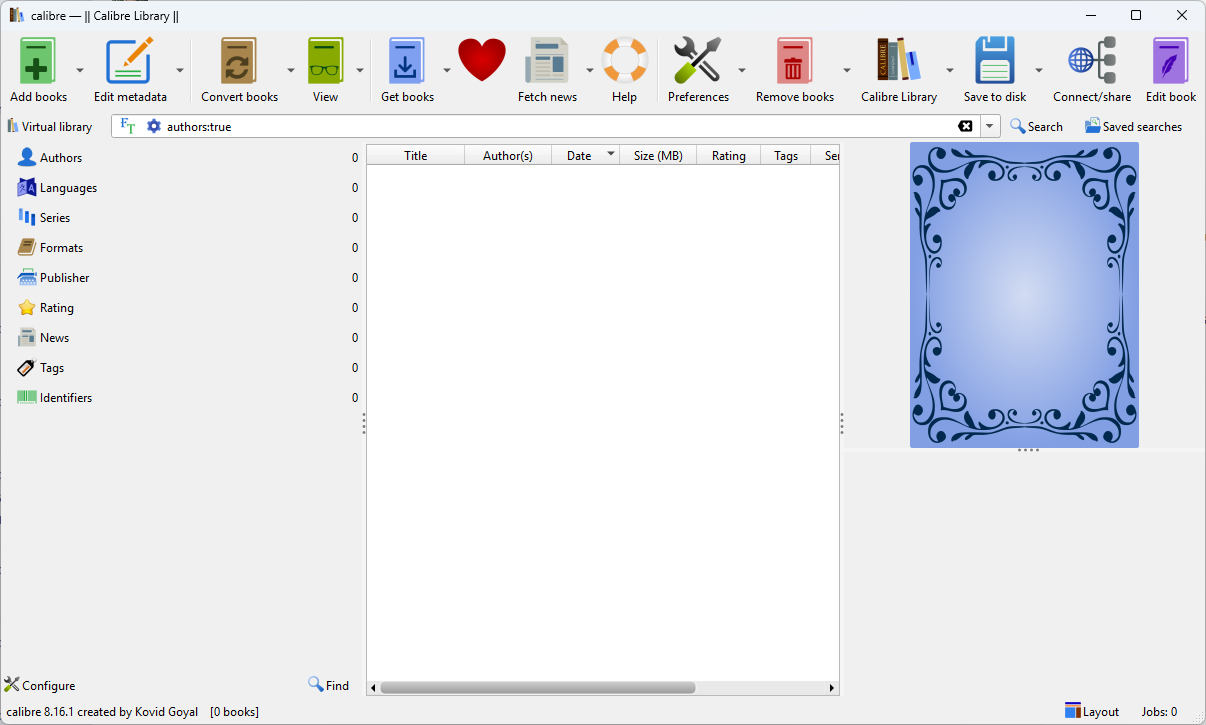
I find the ability to annotate things I want to come back to particularly handy.
Git: Essential for Developers
Git doesn't get a lot of glory, but it is the unsung hero of the programming world. For many people, it is just one of those things at the beginning of a command you're pasting when following instructions online. The reality is different. A huge percent of the programming world relies on Git. Git is a "version control system" for developers, which basically lets you keep track of all the changes they make while writing code. You can manage different branches, adjust the structure of a project, synchronize changes, and pretty much anything else you might need to do.
I don't write large bits of code much anymore, but when I do, Git is something I can't do without. It helps keep me on track and keeps my sanity intact when attempting to figure out what happened between different versions of some code I've written. Popular websites like GitHub and SourceForge act as repositories that you can interface with using Git, so you can store your coding projects on the cloud to ensure they're safe, or to make them easily accessible to others.
Despite being very different operating systems, a surprising number of Linux apps also have Windows versions available. If you see one recommended on the internet that strikes you as interesting, don't dismiss it as "Just a Linux app." You may be pleasantly surprised to find it also has a Windows client, too.

Posting Komentar untuk "Windows apps that began on Linux and are all free"
Posting Komentar