
Yes, the Government Can Track Your Location – But Not Directly Spying On You
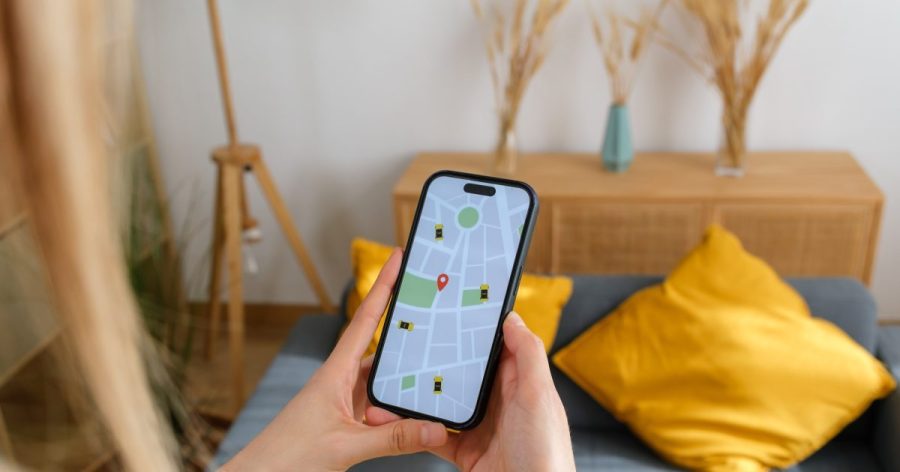
The Hidden Cost of Location Data
If you use a mobile phone with location services enabled, it's likely that data about where you live, work, shop, and even travel is being collected and potentially sold. This data can include details about your daily routines, such as where you attend church or visit the doctor. Surprisingly, U.S. Immigration and Customs Enforcement (ICE) is one of the entities that may be purchasing this information.
The U.S. government doesn't need to collect this data directly because your mobile phone is already doing it for you. While some apps collect location data for their intended purpose—like navigation or weather forecasts—more often, this information is gathered in the background without your knowledge.
As a privacy researcher, I study how people understand and make decisions about the data collected about them. My work also focuses on developing new ways to help consumers regain control over their privacy. Unfortunately, once you grant an app or website permission to access your location data, you lose control over how that data is used and shared, including who it is sold to.
Why Mobile Phones Collect Location Data
Mobile phones collect location data for two main reasons: as a by-product of their normal operation and because they are required to do so by law.
Mobile phones constantly scan for nearby cell towers to ensure that when someone wants to make a call or send a text, the phone is already connected to the closest tower. This process makes calls and texts faster. To maintain service quality, phones often connect to multiple cell towers simultaneously. The range of a cell tower’s signal can be visualized as a large bubble, and the phone’s location is calculated using triangulation based on the intersection of these bubbles.
In addition to cell tower triangulation, mobile phone carriers have been legally required since 2001 to provide latitude and longitude information for phones used to call 911. This helps emergency responders reach individuals more quickly. A recent segment on "The Today Show" highlighted how your phone reveals your movements and activities.
How Location Data Ends Up Being Shared
When users allow websites and apps to access their location data, the software developers can share this information widely without seeking further permission. Sometimes, apps themselves do this through partnerships with data brokers.
More commonly, apps and websites that display advertisements share location data through a process called "real-time bidding." This system determines which ads are shown by allowing third parties hired by advertisers to place automated bids on ad space. These third parties aim to show ads to users who match the desired profile.
To identify the right audience, software embedded in the app or website shares user data—including location—with the third parties placing the bids. These middlemen can keep the data and use it however they see fit, including selling it to location data brokers, regardless of whether their bid wins the auction.
What Happens to the Data Once It Is Shared
Once acquired, location data is sold widely, including to companies known as location-based service providers. These companies repackage the data and sell access to tools that monitor people’s locations. Some tools offer services like roadside assistance, while others are used by police departments, government agencies, and others to track individuals.
In October 2025, news outlets reported that ICE purchased a location surveillance tool from a company called Penlink. This tool can track the movements of specific mobile devices over time in a given location. Such tools allow users to access location data from "hundreds of millions of mobile phones" without a warrant.
Why It Matters
The invisible collection, sale, and repackaging of location data is a significant issue because this data is extremely sensitive and cannot be made anonymous. The two most common locations a person visits are their home and workplace. From this alone, it is easy to determine a person’s identity and match it with other data these companies have acquired.
Most people are unaware that the location data they allowed apps and services to collect for one purpose, like navigation or weather, can reveal sensitive personal information that they may not want to be sold to a data broker. For example, a research study I conducted found that even though people use location data to track their routes while exercising, they didn’t consider how that data could be used to infer their home address.
This lack of awareness means people can't expect that data collected through their phone's normal use might be available to entities like ICE. More restrictions on how mobile phone carriers and apps collect and share location data—and how the government accesses and uses this information—could help protect privacy. So far, efforts by the Federal Trade Commission to curb carriers’ data sales have had mixed results in federal court, and only a few states are attempting to pass legislation to address the issue.

Posting Komentar untuk "Yes, the Government Can Track Your Location – But Not Directly Spying On You"
Posting Komentar