
YOLO Makes a Comeback: The 2010s Meme Resurfaces in the AI Era
The Resurgence of "YOLO" in the AI Industry
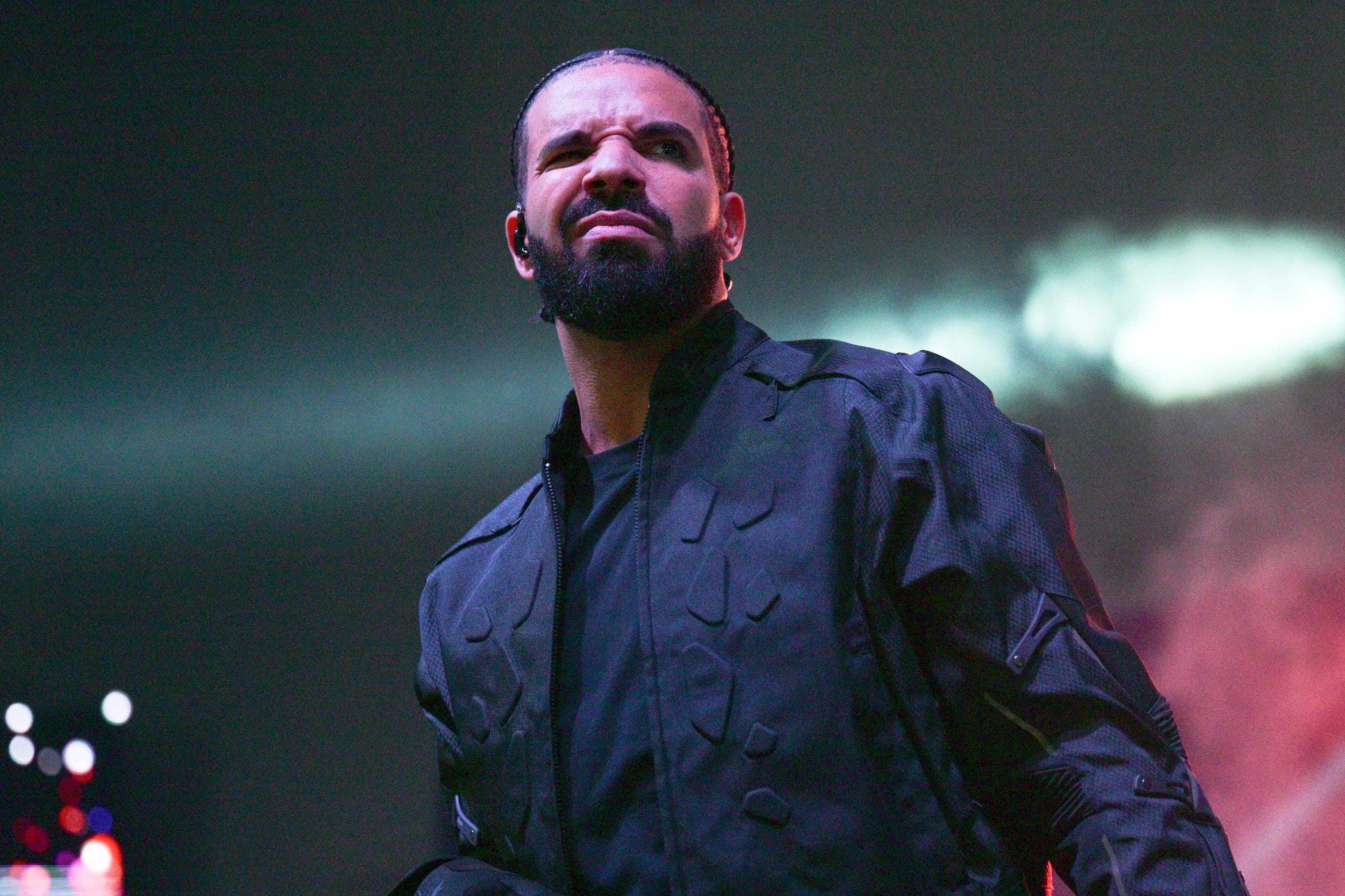
The term "YOLO," once a cultural phenomenon, is making a comeback—but this time, it's shaping the AI industry. Originally popularized by Drake in his 2011 hit song "The Motto," the acronym for "you only live once" has taken on a new meaning in the fast-paced world of artificial intelligence.
This YOLO culture reflects a mindset of bold investment and rapid development, but it also raises concerns among those who are wary of the potential consequences of unbridled AI growth. The phrase is now being used to describe the current state of the AI industry, where speed and innovation often take precedence over caution and thoroughness.
A Concerning Trend
At the recent New York Times DealBook Summit, Anthropic CEO Dario Amodei criticized some of his competitors, including OpenAI and Meta, for adopting a "YOLO" approach. He expressed concern that certain companies are taking risks too far, prioritizing quick results over responsible development. In contrast, Amodei emphasized that Anthropic is striving to grow its technology as responsibly as possible.
This sentiment is echoed by AI researchers like Jason Wei from Meta. On X, he described "yolo runs" as a phenomenon where developers or researchers implement ambitious models without thoroughly de-risking individual components. These runs rely heavily on intuition rather than methodical testing, which can lead to unpredictable outcomes.
Contrasting Approaches
Wei explained that traditional research methods involve careful, incremental changes, whereas "yolo runs" embrace a more instinctive and experimental approach. This method may yield breakthroughs quickly, but it also carries significant risks, especially when dealing with complex AI systems.
During a discussion at Harvard's Berkman Klein Center, Harvard professor Jonathan Zittrain used the term "YOLO model" to describe the current approach in the AI industry. He highlighted how founders and venture capitalists are willing to try anything quickly—launching ideas, seeing if they stick, and moving on if they fail. If successful, they capitalize on their ventures.
Balancing Speed and Safety
The resurgence of the term "YOLO" underscores a growing tension between the AI industry's aggressive race to build larger and smarter models and the voices advocating for caution. On one hand, competition is fierce, with tech giants issuing urgent calls to action whenever a competitor launches a new model. The financial stakes are high, with Amazon, Google, Meta, and Microsoft investing record amounts in AI infrastructure.
This level of spending has even pushed the S&P 500 and Nasdaq to record highs. However, critics warn that the YOLO culture may overlook the potential dangers of AI, such as misuse by malicious actors or unintended behaviors in AI models.
Warnings from Industry Leaders
AI "godfather" Geoffrey Hinton recently warned Sen. Bernie Sanders at Georgetown University that the rapid development of AI could lead to mass unemployment, increased inequality, and changes in human relationships. An analysis by AlphaSense found that 418 publicly traded companies valued over $1 billion have cited AI as a risk to their reputations and security in SEC filings.
Many companies are also lagging in implementing AI ethics officers and governance experts, prioritizing productivity gains over long-term safety considerations.
A Question of Development Models
As the "YOLO" mindset takes hold in the AI industry, Zittrain poses an important question: Is this an acceptable model of development for a technology that could be transformative? The answer remains uncertain, but the conversation highlights the need for balance between innovation and responsibility.
If you enjoyed this story, be sure to follow Business Insider on MSN.

Posting Komentar untuk "YOLO Makes a Comeback: The 2010s Meme Resurfaces in the AI Era"
Posting Komentar