
Your Personality Holds More Than You Realize
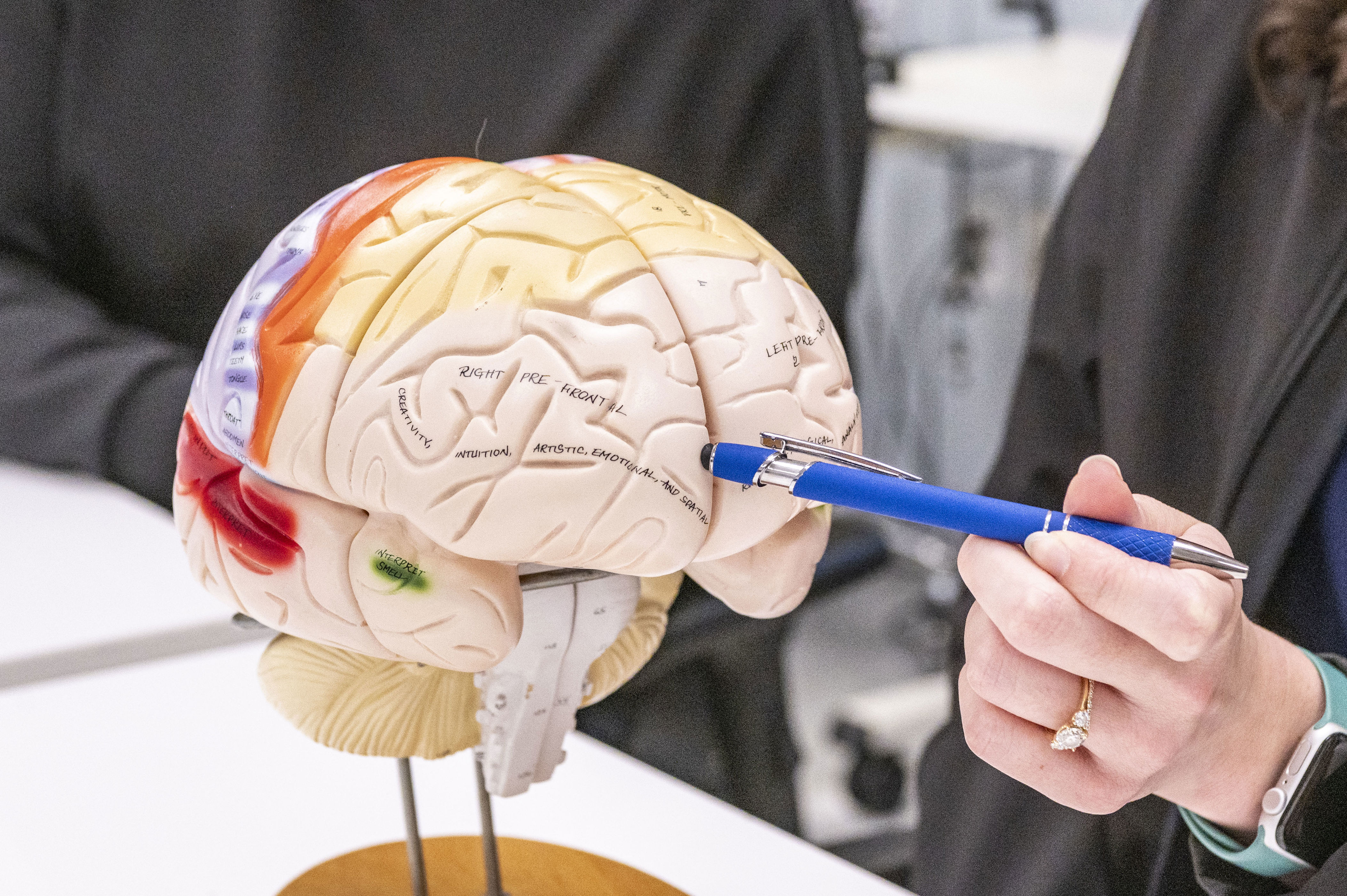
Understanding Personality: Beyond Introverts and Extroverts
In today’s world, we are constantly exposed to new terms and frameworks for describing our personalities. From introverts and extroverts to Type A and Type 3, it seems like there is an ever-growing list of ways to categorize ourselves. However, the way we perceive ourselves often differs from how others see us. This discrepancy sparked a conversation on Explain It to Me, Vox’s weekly call-in podcast, when a listener named LaDel raised a question about the term "introvert."
LaDel shared that they noticed people who didn’t seem to fit the traditional definition of an introvert were identifying as such. They remarked, “I’m like, ‘Wow, you’re out every weekend, swinging from chandeliers. You’re probably not an introvert.’ But I’m not so arrogant that I feel like I can tell anyone what their temperament is.”
So, is LaDel right in thinking that more people are describing themselves as introverts? According to Shannon Sauer-Zavala, a personality researcher and professor at the University of Kentucky, the answer is both yes and no. She suggests that the pandemic may have played a role in this shift. “I think like any skill, when we are out of practice, we get rusty. People might be confusing discomfort with being introverted,” she said.
Additionally, there has been a broader cultural shift in how we view introversion. Over the past decade, there has been increasing recognition of the qualities that introverts bring to the table—such as being more thoughtful, measured, and better listeners. This has led to a kind of renaissance for introverts, where people are now more comfortable identifying as proud introverts.
What Are Other Ways to Think About Personality?
Sauer-Zavala dives deeper into these ideas on the latest episode of Explain It to Me. Below is an excerpt of her insights, edited for clarity and length.
One of the key questions she addresses is whether people become more introverted as they age. This is actually a complex issue. Extroversion and introversion can be broken down into subfacets. For example, social dominance—a facet of extroversion that involves assertiveness and confidence—tends to increase with age. On the flip side, social vitality, which relates to enthusiasm and energy for social situations, tends to decrease.
This leads to another important point: the urge to label ourselves as either introverts or extroverts. While many people do this, Sauer-Zavala explains that academic psychology approaches personality differently. “The way we measure personality is really different from how people are talking about their types at a dinner party,” she said. “It’s really different from what you would think personality is if you took a common personality test on the internet or through your HR office.”
She emphasizes that academic personality science needs a better public image. “We’re not really good at spreading the word on what personality actually is,” she added.
What Is Personality?
To understand personality, it's helpful to first consider what it is not. People often think of personality as their essence—how they express humor, taste, and values. However, academic psychologists define personality differently. “We define personality as your characteristic or habitual way of acting and thinking,” Sauer-Zavala explained. “When you think about that, it’s mental habits and behavioral habits, and those are things that we change all the time.”
How Is Personality Measured?
Most commercial personality tests are category-based, placing individuals into specific types. However, scientific research uses a more nuanced approach. The Big Five model, also known as the Five Factor Model, outlines five overarching traits:
- Openness: The degree to which someone is interested in new ideas, aesthetics, philosophy, and art.
- Conscientiousness: How organized, reliable, and striving someone is.
- Extroversion vs. Introversion: The tendency to be energetic and excitable.
- Agreeableness vs. Antagonism: How empathic, caring, and socially oriented someone is.
- Neuroticism vs. Emotional Stability: The tendency to experience strong negative emotions and react to stressors.
Sauer-Zavala likens the Big Five to an audio switchboard with dials that can be adjusted up and down. This model provides a more comprehensive understanding of personality than simple categorizations.
Why Do We Want to Know Our Personality Types?
There is a natural curiosity about our personality types. “It’s fun, right?” Sauer-Zavala said. “But knowing where you are on those different traits provides you with a lot more nuanced information.”
She also highlighted that many people believe personality is fixed, but this is not the case. “You should identify what’s important to you, what you value, what important goals you have, and then figure out what are the traits that will help get you there and intentionally cultivate them.”

Posting Komentar untuk "Your Personality Holds More Than You Realize"
Posting Komentar